Trujillo, Peru Attractions: Chan Chan, Moche Temples and the Historic Center
Trujillo’s strongest trip is not a race through ruins. It is a clear choice between the living historic center, Chimú Chan Chan, Moche temple complexes, and the separate El Brujo excursion.
Separate the four Trujillo experiences
Trujillo city, Chan Chan, the Huacas de Moche, and El Brujo are not one attraction cluster. They represent different cultures, locations, visitor circuits, and transport commitments.
The official Trujillo historic-center overview is a useful geographic starting point. Map every archaeological entrance separately before deciding how many sites fit.
A practical visit usually gives one day to the city plus one nearby archaeological complex, then reserves another day for a second complex or El Brujo. Conservation changes, heat, and transport can make a shorter plan better.
Historic center: begin with the living city
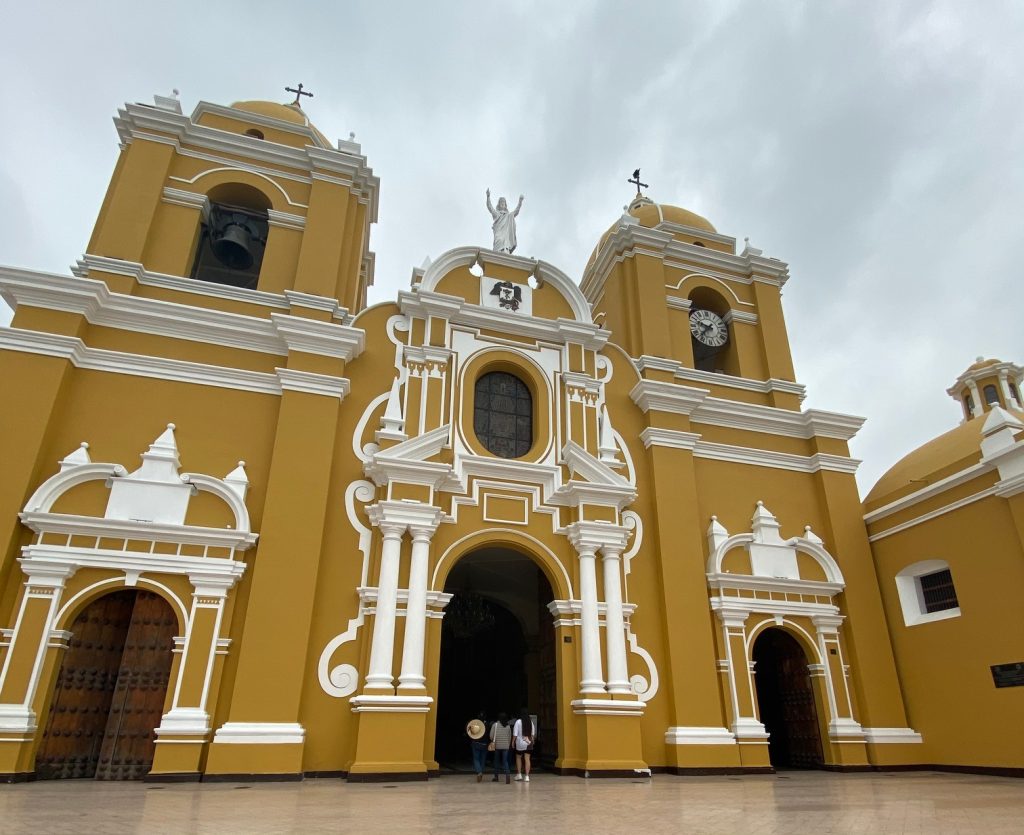
Plaza de Armas and the cathedral area introduce Trujillo’s colonial and republican layers. They should not be presented as an archaeological prelude with no living religious, civic, or commercial role.
Choose one or two interiors after checking current worship, admission, photography, security, and access. Public squares remain flexible when a building is closed.
Casa Urquiaga, also associated with the Casa Calonge name, needs direct current verification before promising interior access. A historic facade can still be worthwhile without inventing a museum schedule.
Build a city loop
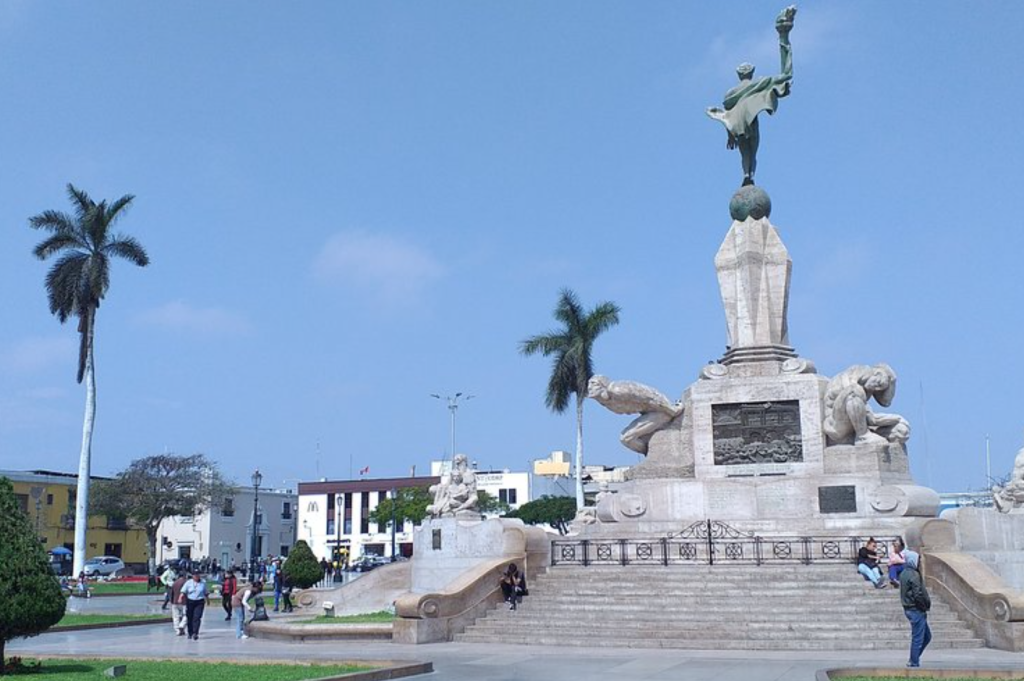
Start at the central square, choose one religious or historic interior, and add streets that connect naturally. Keep lunch near the route instead of crossing the city for an old restaurant ranking.
Uneven paving, curbs, traffic, heat, crowds, and historic thresholds affect accessibility. Verify the complete route from vehicle drop-off through the chosen interior and restroom.
Chan Chan: the Chimú anchor
Chan Chan Archaeological Zone is the exact UNESCO World Heritage property near Trujillo. Its protected status does not extend to every nearby museum, tour stop, shop, or Moche site.
Use the current UNESCO Peru property roster to keep the name accurate. Then check the site manager for the open circuit, entrance, ticket, conservation restrictions, and accessible path.
Chan Chan is associated with the Chimú civilization, so interpretation should not merge it with the Moche temples. Understanding that difference makes both visits more useful.
Plan for an exposed adobe site
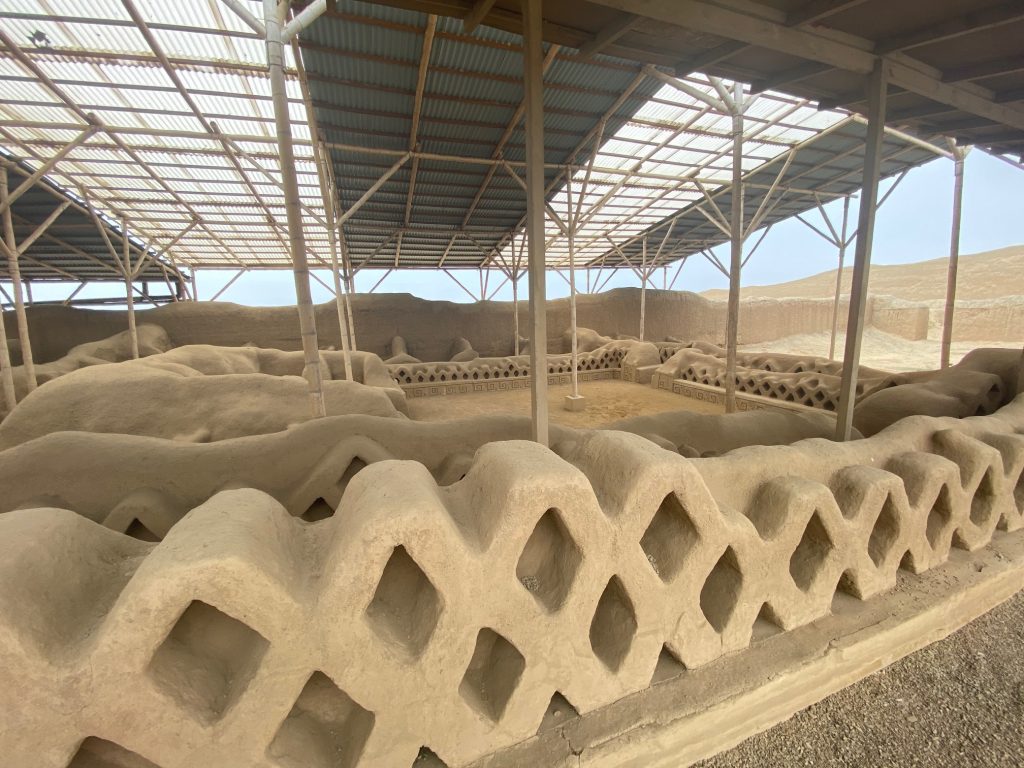
Adobe heritage is vulnerable to weather and conservation needs. Rooms, reliefs, or paths shown in older photos may not be available on your date.
Bring sun and weather protection appropriate to current conditions, and follow barriers even when another angle looks tempting. A closed section protects the place rather than reducing its importance.
Ask which visitor circuit is open and where interpretation is available. Do not assume a private guide can enter restricted areas.
Who should prioritize Chan Chan
Choose Chan Chan when urban planning, Chimú history, adobe architecture, and exact UNESCO identity are central interests. Pair it with a modest city or coastal block rather than another demanding exposed complex.
Huacas de Moche: a separate civilization
Huacas del Sol y de la Luna form the Moche archaeological complex south of Trujillo. They are not part of Chan Chan and should not inherit its ticket, history, or visitor rules.
The official Moche temple overview establishes the complex’s identity. Confirm which huaca, museum, murals, and visitor areas are currently accessible.
Interpretation matters because preserved imagery and architecture lose context when reduced to colorful backdrops. Give the museum or guide enough time to explain what is visible.
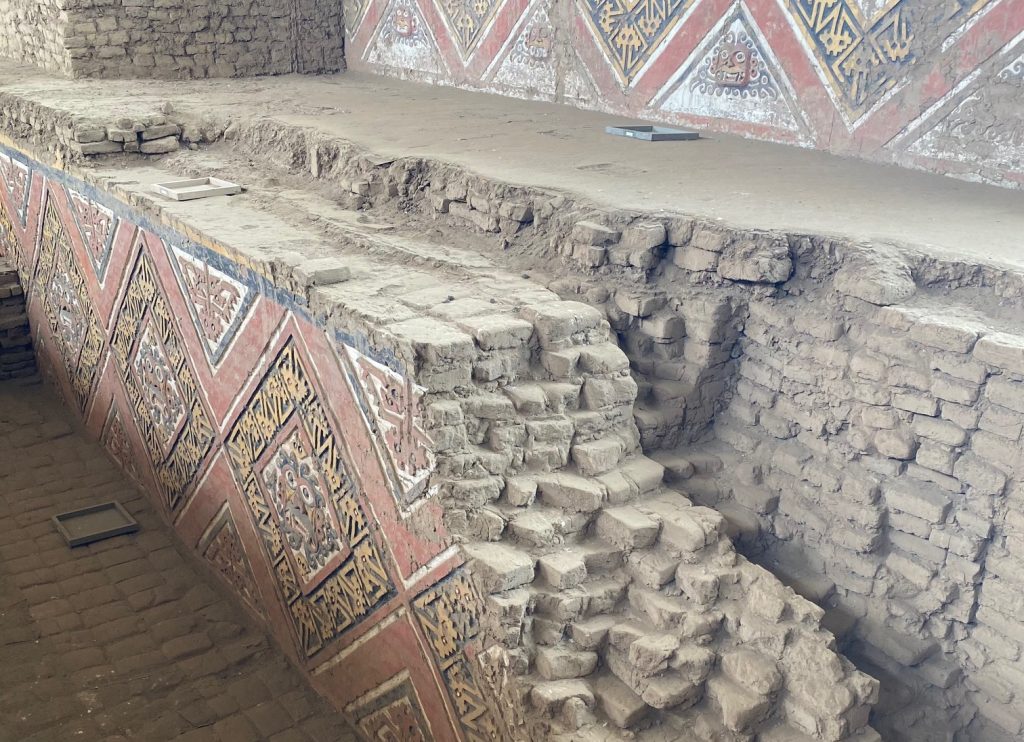
Do not promise both temples
The complex name does not guarantee identical access to the Huaca del Sol and Huaca de la Luna. Research and conservation can limit which structures visitors enter.
Describe the available circuit, not an idealized total site. If one area is closed, focus on the interpretation and preserved material that is legitimately open.
Who should prioritize the Moche complex
Choose it when painted reliefs, ritual context, archaeology, and museum interpretation matter most. Travelers sensitive to heat or uneven ground should verify shade, surfaces, seating, and the return before committing.
El Brujo and Museo Cao need their own day
El Brujo is a separate archaeological complex associated with Museo Cao. It is not downtown, not another Chan Chan sector, and not a casual stop between central buildings.
Confirm current road access, authorized transport, museum operation, ticketing, facilities, and the return before departure. Avoid a fixed drive-time promise because road and pickup conditions change.
Choose El Brujo when the museum and its interpretation are a major priority. If the route is uncertain, keep Chan Chan or the Moche complex as the more practical archaeological anchor.
Huaca del Dragón needs exact identity
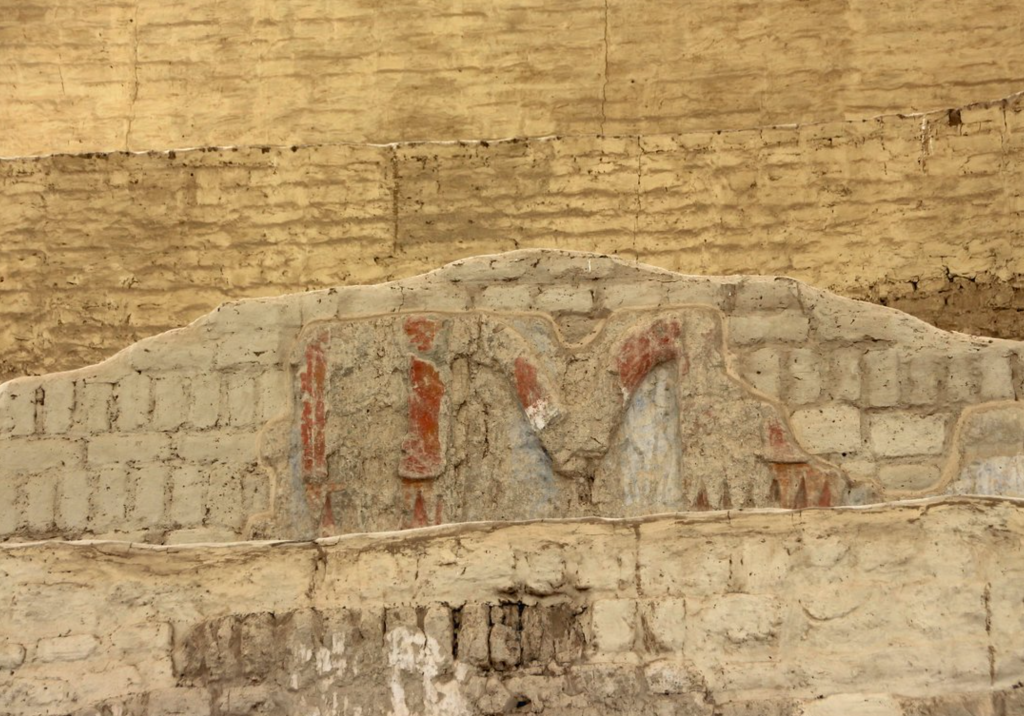
Huaca del Dragón, also called Huaca Arco Iris in visitor material, is a separate site whose current operation must be checked. Do not count a drive-by, closed gate, or duplicated name as an additional attraction.
Verify the responsible manager, open circuit, ticket relationship, conservation condition, and transport. Similar adobe construction does not make it interchangeable with Chan Chan.

Choose transport by site, not by habit
A central walk, a taxi to one complex, a hired driver for multiple stops, and an organized archaeological tour solve different problems. Verify lawful operation, pickup, waiting, payment, and the return.
A driver provides transport, not automatically archaeological interpretation. A guide provides interpretation, not automatically accessible or private transport.
If you combine sites, write down the minimum acceptable visit at each and the stop you will drop first. Protecting one meaningful experience is better than rushing through three entrances.
Heat, rain, and conservation change the route
Trujillo’s adobe sites can involve exposed walking, dust, uneven ground, and limited shade. Current heat, sun, rain events, and site protection measures should set the day’s pace.
Never guarantee that a particular relief, room, or excavation is visible. Keep a museum, historic-center interior, meal, or rest block as the fallback.
Carry water according to current site rules and plan sun protection without leaving waste. Follow staff instructions if weather or conservation work changes the circuit.
Accessibility and family fit
Ask about drop-off, surface, gradient, distance, seating, shade, restroom, exhibit access, and emergency exit for each site. An accessible museum does not make the outdoor complex accessible.
Families can do well with one archaeology anchor and a flexible city block. Choose interpretation that matches attention span rather than expecting children to appreciate every adobe wall automatically.
Travelers who cannot use the full outdoor route may still benefit from a confirmed museum or visitor center. Verify whether the alternative actually contains the interpretation you want.
Three realistic itineraries
One-day Trujillo introduction
Choose the historic center plus either Chan Chan or the Moche complex. Keep the evening near your lodging and do not add El Brujo.
Two-day archaeology focus
Use one day for the historic center and Chan Chan, then a second for the Moche complex. Reverse the order according to current opening, heat, and transport.
Three-day deeper route
Add El Brujo only after confirming the complete road and museum day. Huanchaco or another coastal stop can be an alternative rather than compulsory padding.
Connect Trujillo to Peru responsibly
The Peru planning guide handles national entry, health, altitude, and regional transport. Trujillo is a coastal archaeological route, not preparation for Cusco altitude.
For another coastal protected-area trip, the Paracas guide separates mainland reserve and marine operations. Do not assume the same weather or wildlife model applies here.
A South America cruise itinerary creates a different time limit and return obligation. Verify the actual port and available shore window before importing this multi-day plan.

Final Trujillo checklist
- Separate Chimú Chan Chan from Moche temples.
- Treat El Brujo as its own excursion.
- Verify each open circuit and museum.
- Plan shade, surfaces, restrooms, and return.
- Keep conservation and weather closures possible.
- Choose one strong site before adding another.
Questions to ask before paying a guide
Ask which exact sites and open circuits are included, whether admission is separate, and how much interpretation happens at each stop. Confirm the language, group size, pickup, waiting, accessible route, and return.
Request the guide’s current authorization when the site requires one. Do not confuse a driver, escort, historian, and site-authorized guide, because each role can provide a different service.
Find out what happens when a museum or circuit closes. A responsible tour should offer a meaningful alternative rather than quietly replacing the stop with shopping.
Photography without damaging context
Follow current rules for flash, tripods, drones, commercial work, and restricted conservation areas. Permission outdoors does not establish permission inside a museum or religious building.
Keep people out of close photographs unless they consent, and do not climb or lean on adobe for a better angle. The strongest image is not worth physical damage or disrespect.
How to compare Chan Chan and the Moche complex
Choose Chan Chan for Chimú urban scale, planning, and adobe architecture. Choose the Moche complex for a different political and ritual context, painted reliefs, and site-specific museum interpretation.
Visiting both can deepen the contrast when each receives enough time. If the schedule forces a rushed walk, choose the civilization that best matches your interest and save the other.
Departure-day discipline
Do not place a distant site before a flight or long-distance bus without a conservative return margin. Road delay, ticket queues, heat, and a longer interpretation stop can consume the time you thought was spare.
Keep luggage storage and terminal transport confirmed independently. A tour ending in the city center does not guarantee a protected onward connection.
Trujillo becomes clearer when every place keeps its own identity. Let one civilization, one current visitor circuit, and one realistic route lead the day.