
Contadora is the Pearl Islands’ easiest base, but it is not a polished resort bubble. This guide explains the ferries, beaches, golf carts, limited services, and planning details that separate a dreamy escape from a frustrating one.
Disclosure: This post may contain affiliate links, which means I’ll receive a commission if you purchase through my link, at no extra cost to you. Read the full disclosure here.

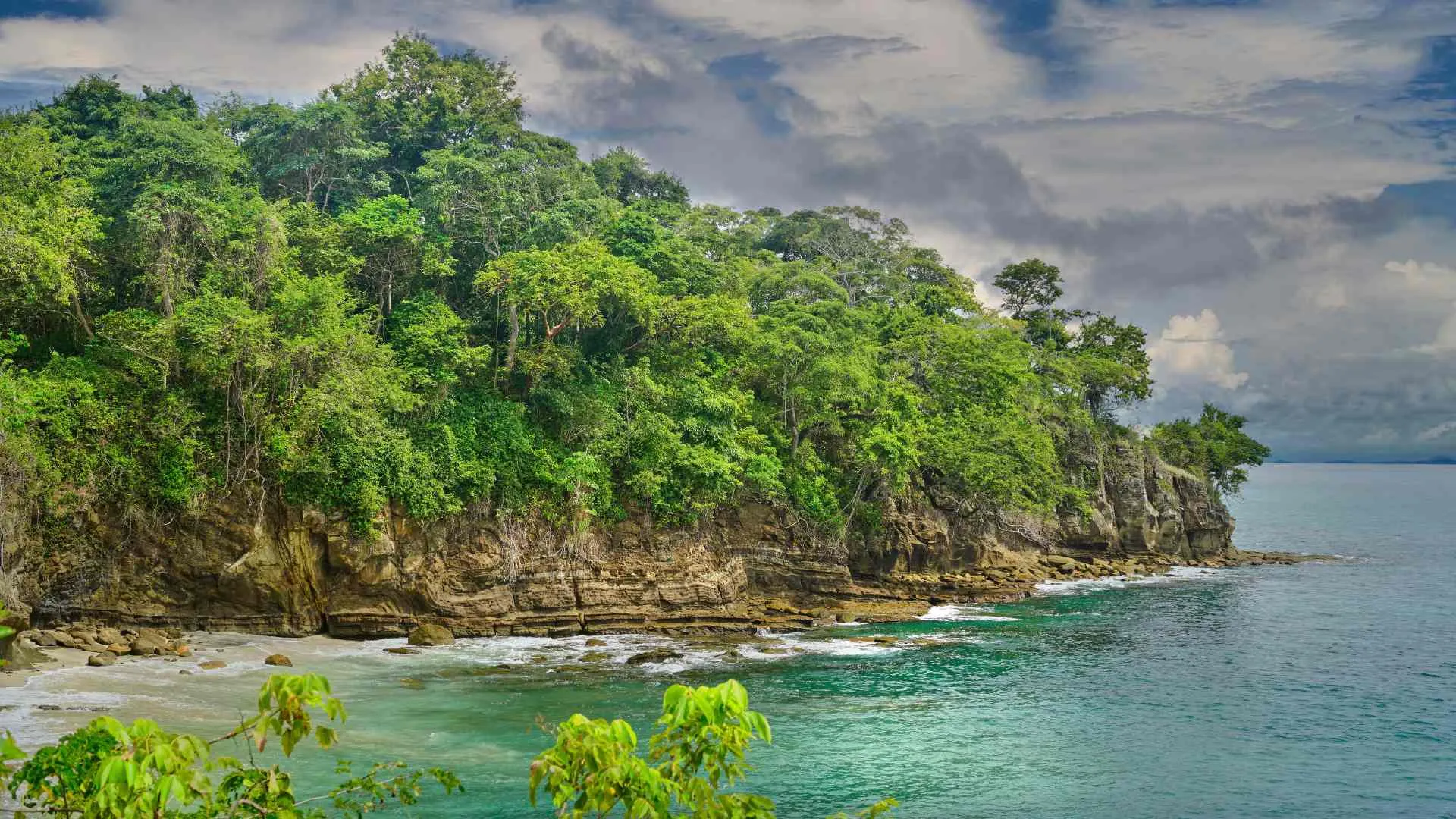
Is Contadora Island worth visiting?
Yes, if you want a small Pacific island with pale sand, warm water, and a slower rhythm within reach of Panama City. It works especially well for couples, independent travelers, and relaxed families who can plan around limited shops, restaurants, transport, and medical care.
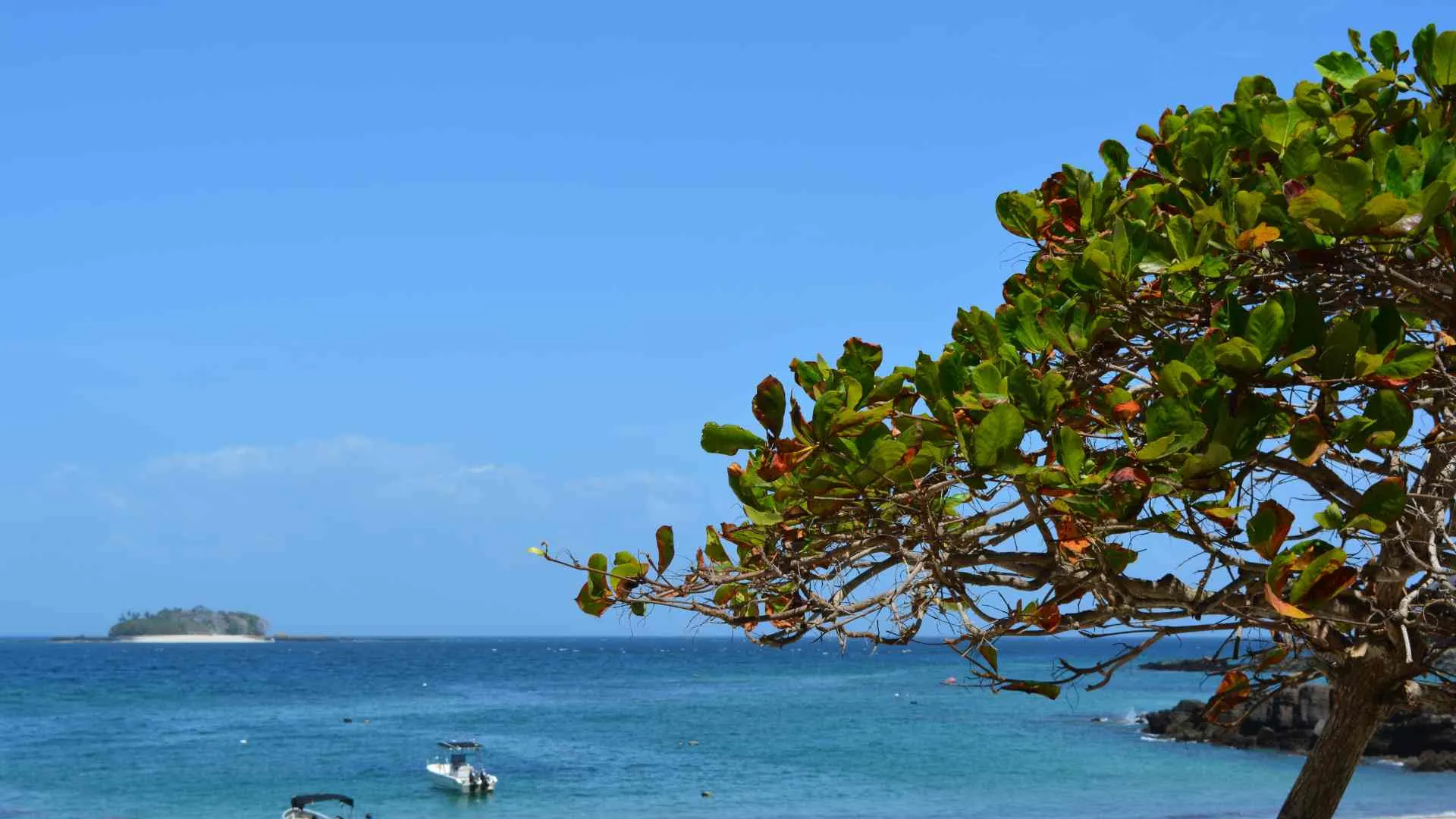
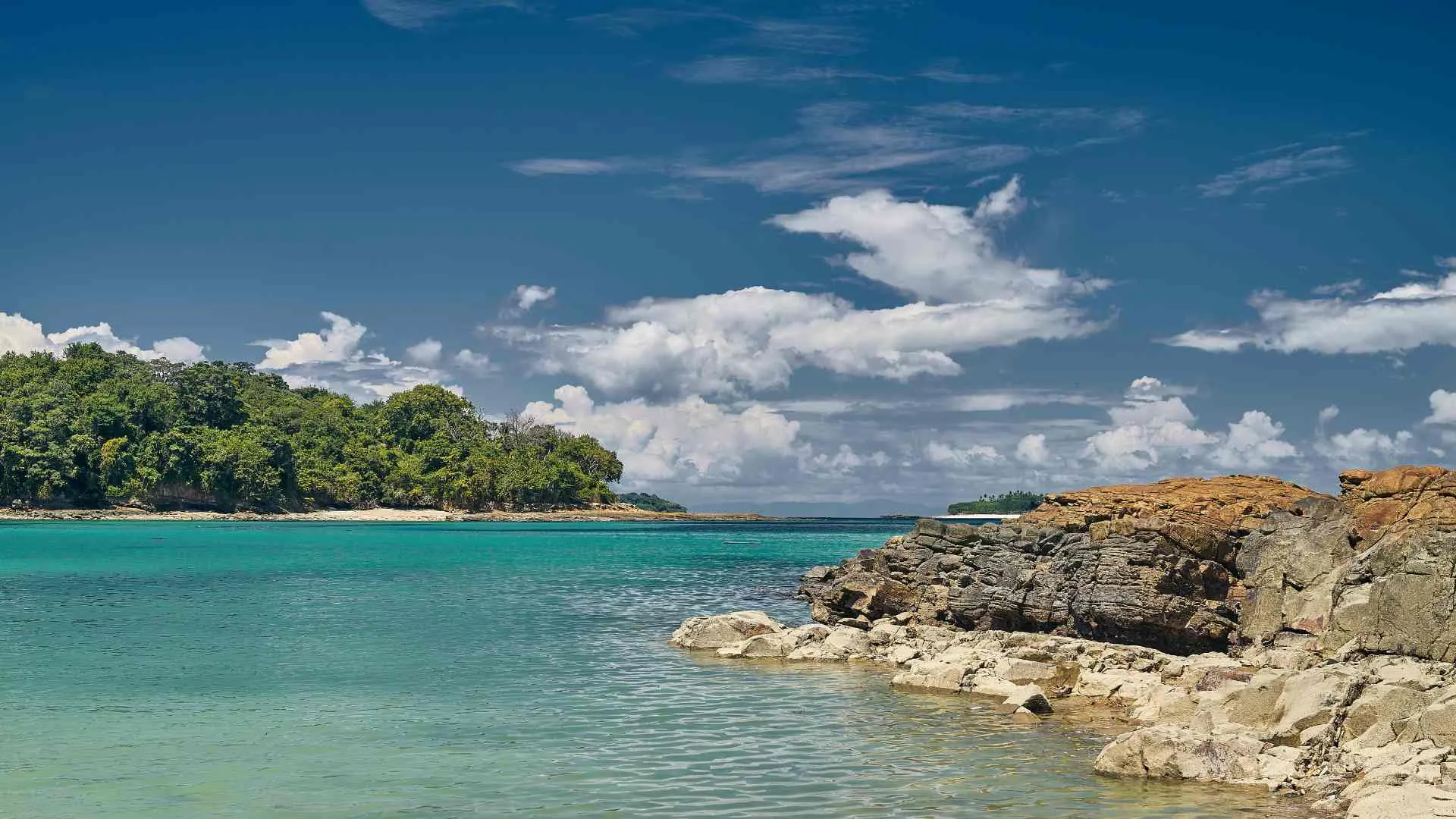
Contadora is not a lively town, nightlife hub, or manicured private resort. Its appeal is beach hopping by golf cart, simple meals, quiet evenings, and boat trips into the wider Las Perlas archipelago.
- Ideal stay: Two nights for most people, or three if you want a boat excursion and a weather buffer.
- Best for: Beach lovers, couples, snorkelers, independent families, and travelers happy with quiet days.
- Main tradeoff: Beautiful surroundings come with limited inventory and infrastructure.
- Arrange first: Transport, lodging, ferry pickup, dinner, drinking water, golf cart, and cash.

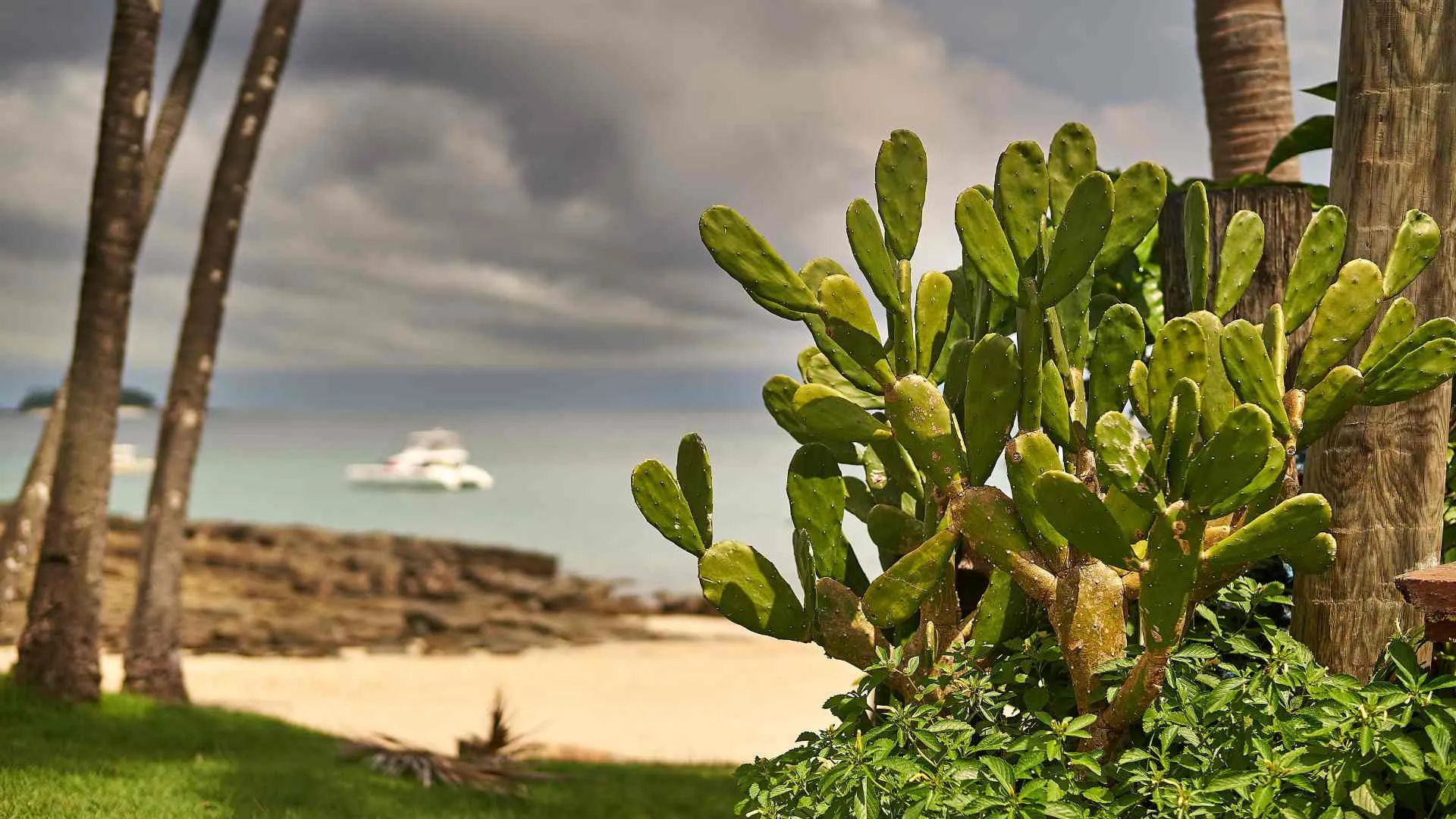
Where Contadora is and what it feels like
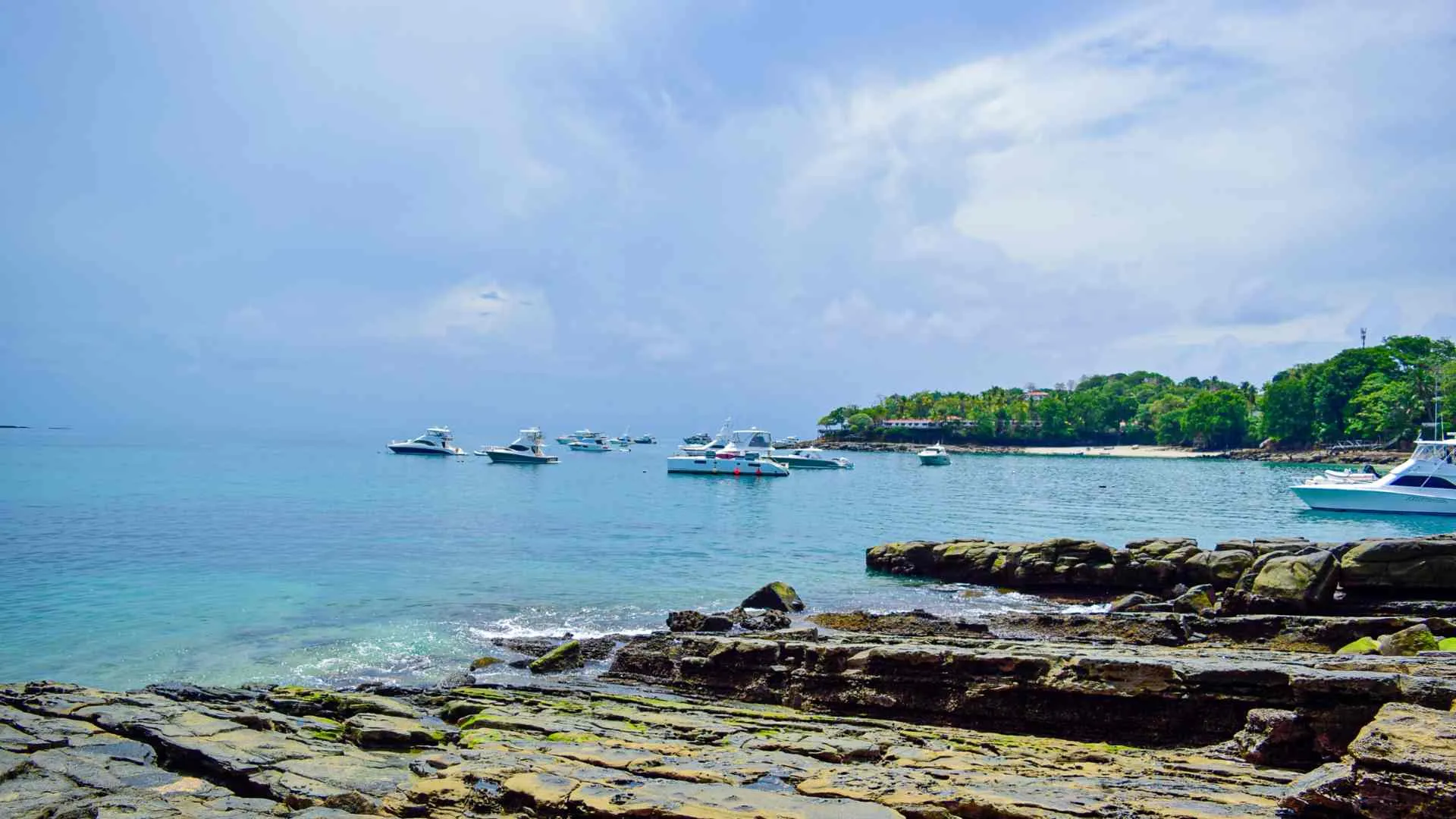
Contadora sits in the Gulf of Panama within the Las Perlas archipelago, southeast of Panama City. The official Las Perlas overview identifies it as the most convenient visitor base, with lodging, services, and more than ten beaches.
The island is compact, with a small airstrip through its center and paved or rough roads branching toward beaches and homes. You can cross much of it on foot, but heat, hills, luggage, and beach gear make a golf cart more useful than the map suggests.
Expect a lived-in island with villas, inns, small stores, golf carts, and occasional maintenance or utility issues. Come for natural scenery and an unhurried pace, not flawless resort infrastructure.

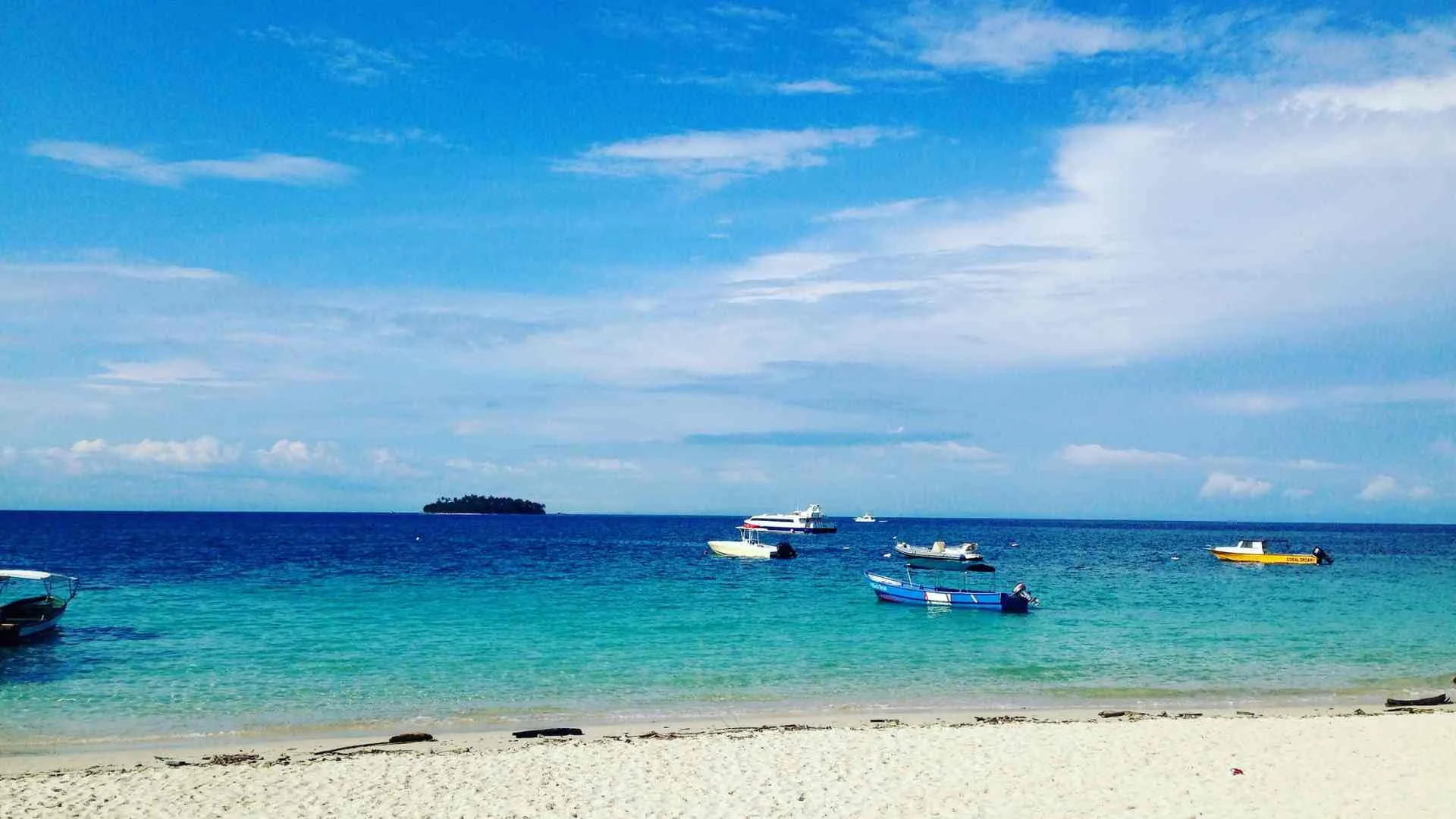
How to get to Contadora Island
Ferry from Panama City
The ferry is the practical choice for most visitors. Service usually leaves Panama City in the morning and returns from Contadora later in the day, but schedules, docks, fares, arrival beaches, check-in times, and luggage rules can change.
Check the current Sea Las Perlas details before locking in a hotel or onward connection. Book directly when possible, arrive at the stated check-in time, and reconfirm the departure point shortly before travel.
The journey is commonly around two hours, depending on the vessel, sea, and stops. Motion-sensitive travelers should take their usual remedy early and protect phones, medication, and documents from spray.
Do not schedule an international flight shortly after the return ferry. Weather, loading, mechanical problems, and sea conditions can disrupt island transport, so a final night in Panama City is safer.
Private flight
Contadora has a small airstrip, and private charters may operate from Marcos A. Gelabert Airport in Albrook. Verify the operator, departure airport, baggage allowance, passenger minimum, weather policy, and total price directly because scheduled availability changes.
A charter saves time and can make sense for a group splitting the fare, but small-aircraft luggage limits can be strict. Compare the whole door-to-door plan rather than only the time in the air.


Day trip or overnight?
A day trip provides several usable island hours and works best as a package with transfers, luggage storage, lunch, shade, and bathroom access. Independent visitors should choose one or two beaches, confirm the return pickup location, and leave a generous time buffer.
Two nights is my practical recommendation because it creates one uninterrupted island day without becoming repetitive. Three nights suits travelers adding diving, fishing, whale watching, or an island-hopping boat trip.
A week may feel long unless your goal is doing very little and you have confirmed groceries, dining, and activities. Contadora is a compact escape, not a destination with a new attraction every morning.

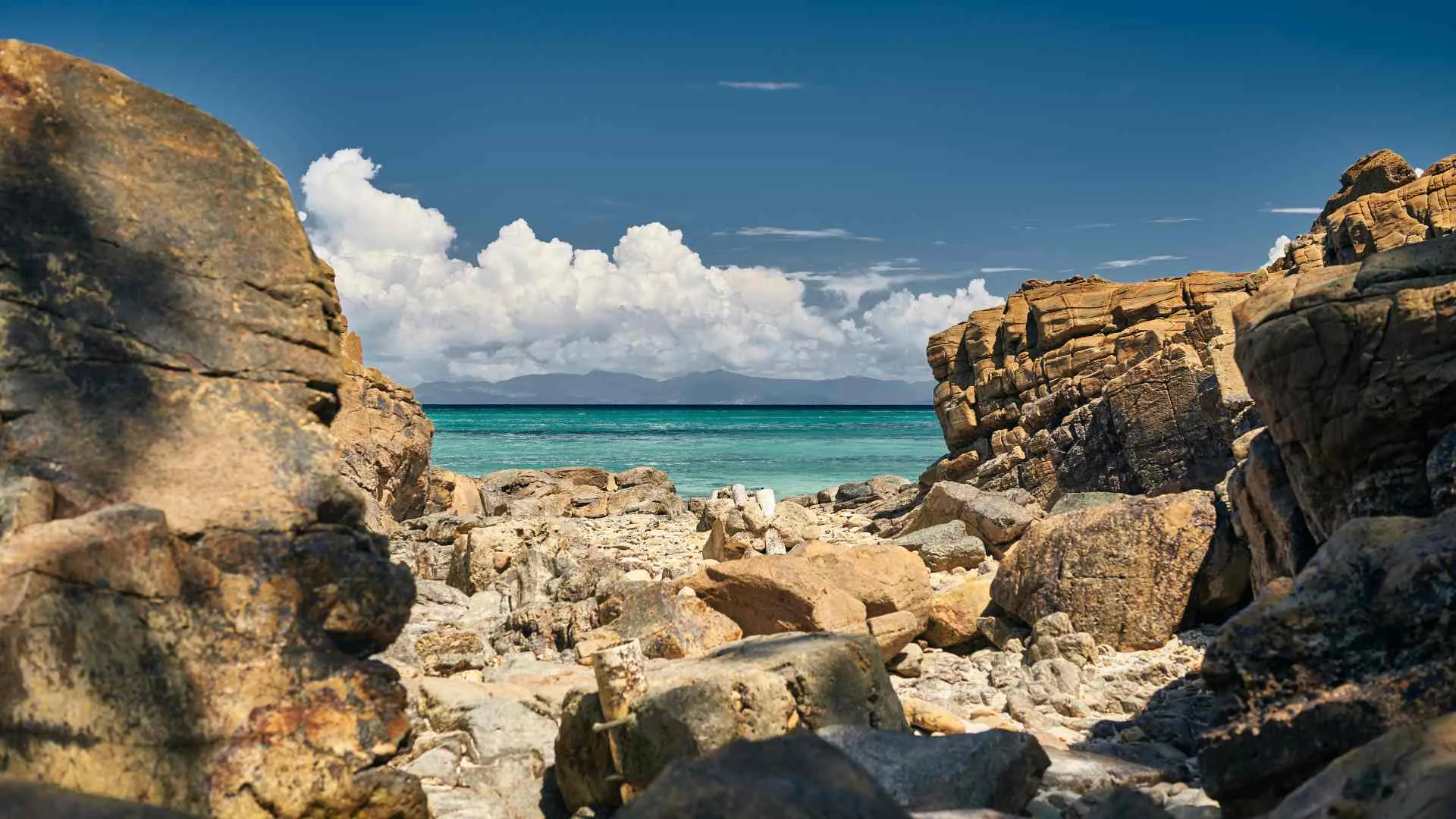
Getting around
Walking is possible for fit travelers carrying little, but shade is inconsistent and midday heat is draining. Roads can be uneven, and a short route becomes unpleasant with groceries, children, luggage, or wet gear.
Golf carts are the most flexible option and may sell out on busy weekends. Reserve ahead, ask whether fuel or charging is included, photograph existing damage, test the brakes and lights, and clarify the return time.
Drive slowly around blind bends, pedestrians, animals, and the airstrip area. Do not assume every sandy track is public or passable, and never block homes or beach access.
Ask your lodging about ferry pickup because moving bags across sand can be awkward. Save its location and contact details offline in case mobile data disappears.

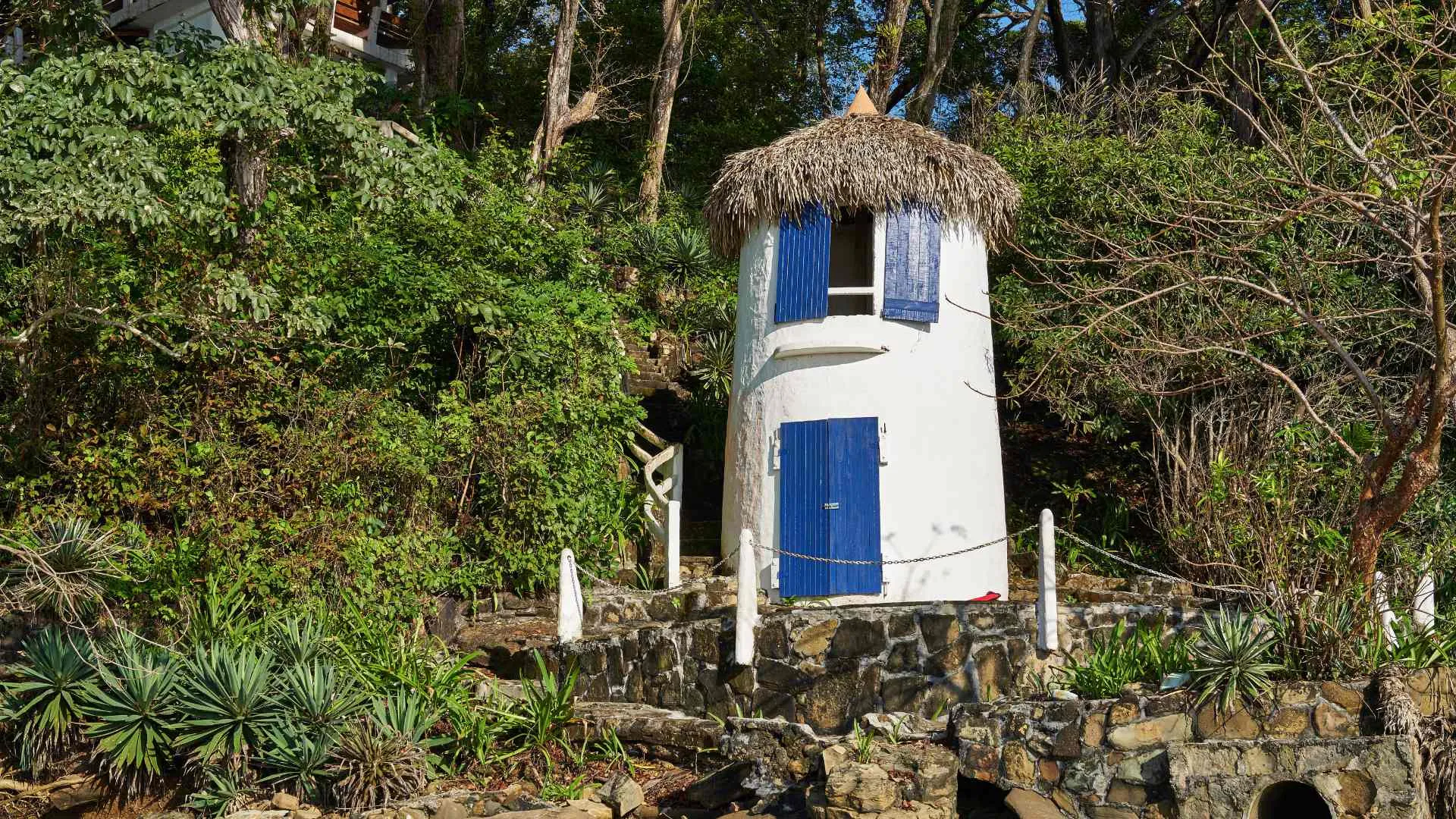
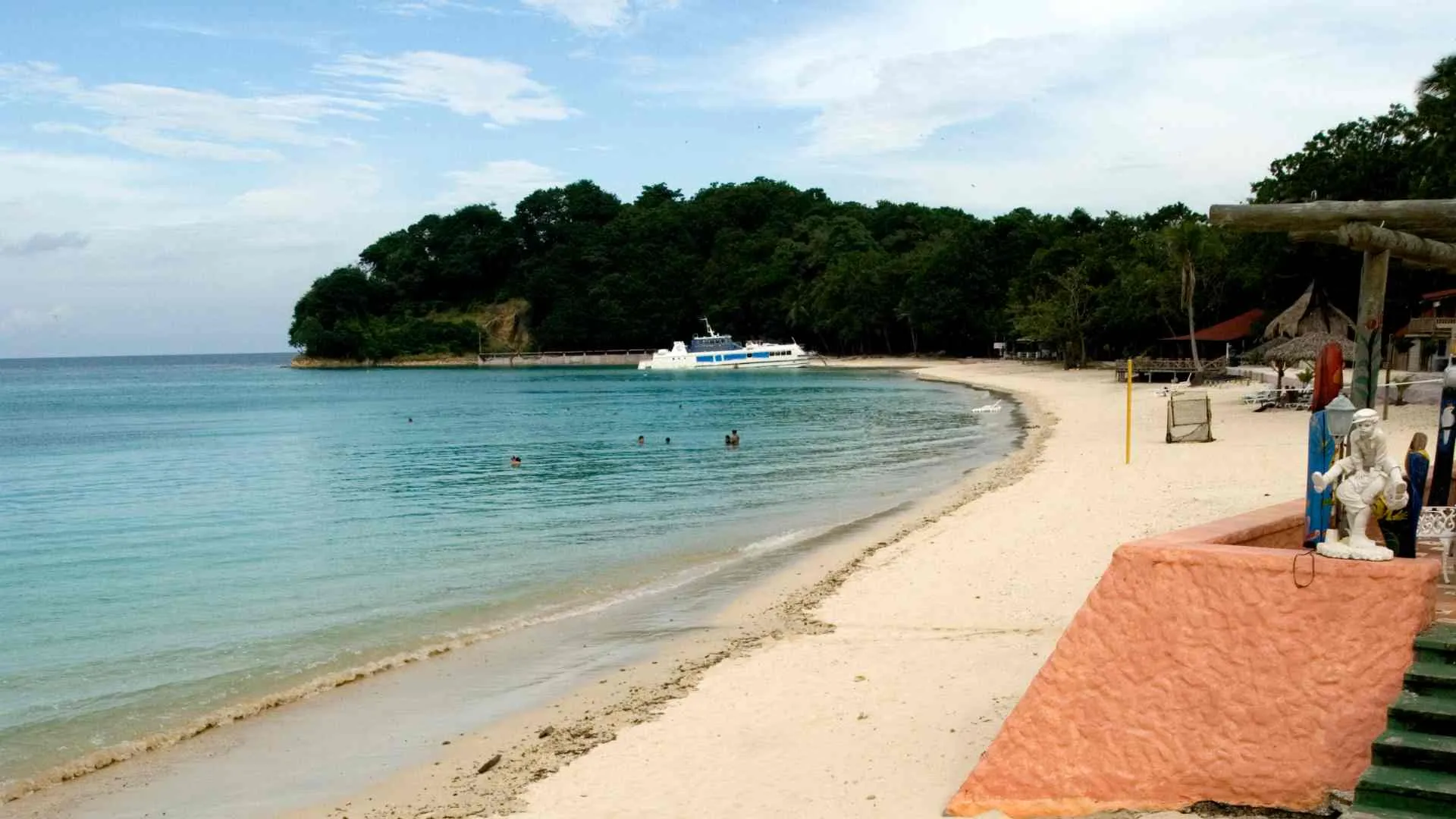
Best beaches on Contadora
Wind, rain, current, and tide can make one side noticeably better than another. Ask which beach has the best conditions that morning, and move if waves, debris, jellyfish, or visibility are poor.
Playa Ejecutiva
Playa Ejecutiva is a small cove often chosen for a quiet swim. Usable sand and shade shrink at higher tide, and facilities are limited, so bring water and do not rely on finding food or a restroom.
Playa Cacique
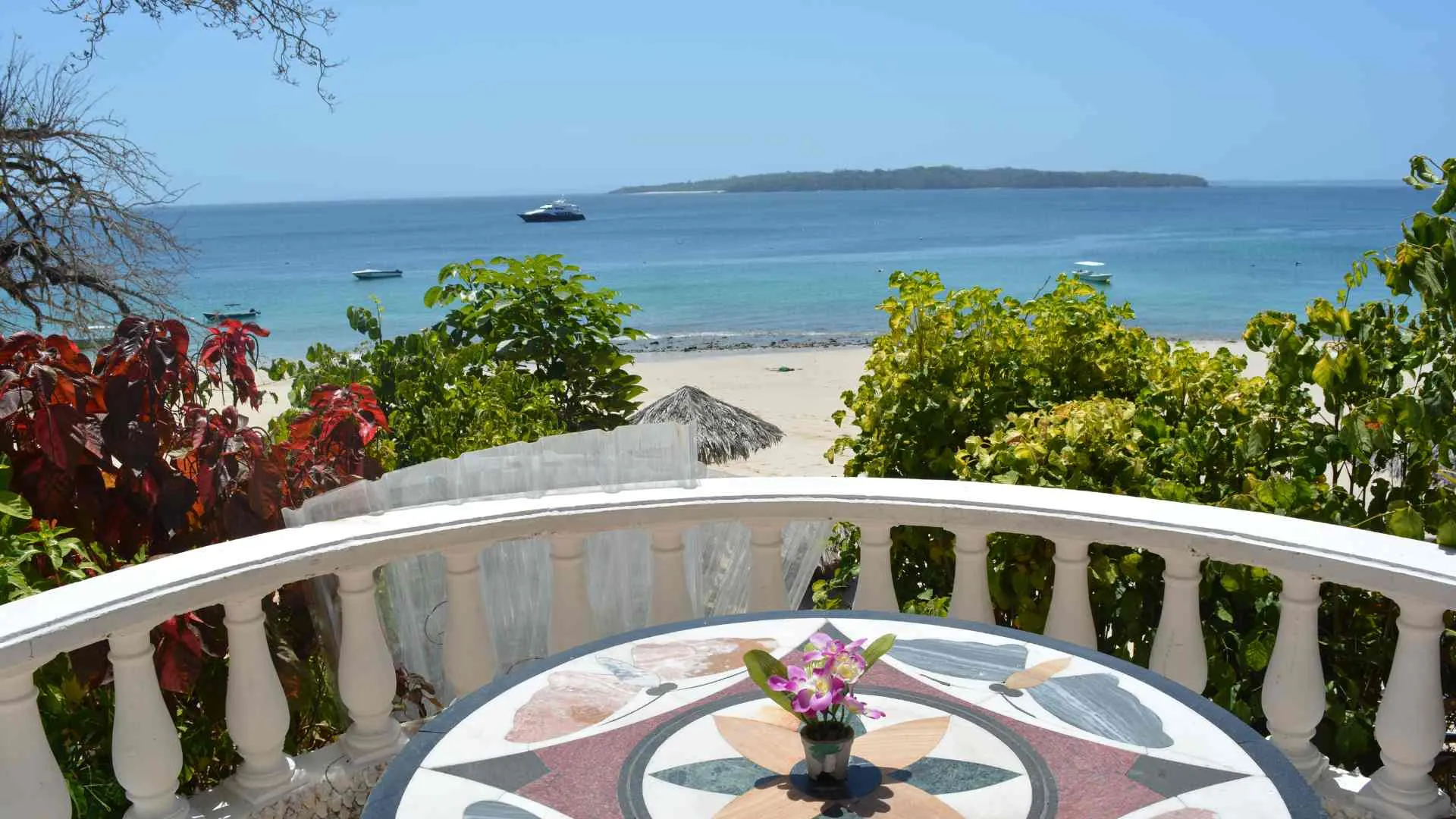
Playa Cacique is one of the island’s prettiest stretches and is convenient for some lodging and boat pickups. Swimming and snorkeling can be enjoyable when conditions cooperate, but visibility and current vary.
Playa Larga
Playa Larga has space for a longer walk and appears in several day-pass plans. The abandoned resort remains and stranded vessel are deteriorating, so view them from a safe distance and never enter unstable structures.
Playa Galeón
Playa Galeón can be convenient depending on ferry operations and your lodging. Boat and landing activity may affect it, making it better for logistics on some days and relaxed swimming on others.
Playa de las Suecas
Playa de las Suecas is known as a clothing-optional beach and feels more secluded. Expect no services, respect privacy, avoid photographing strangers, and leave before dark if walking.
Smaller beaches such as Caracol, Camarón, and Canoa can reward curious beach-hoppers, but access and usable sand depend on local conditions. A golf cart lets you scout several without turning the day into a hot road walk.


Where to stay
Choose lodging by logistics, not only by its prettiest photo. Confirm the exact location, ferry transfer, air-conditioning, hot water, backup power, drinking water, Wi-Fi, breakfast, golf-cart access, and cancellation terms.
A beachfront property suits travelers prioritizing one easy swimming spot, while a central rental can simplify groceries and exploration. Villas work for groups, but ask who handles transport, water, cleaning, and after-hours problems.
Read recent reviews because island businesses can change management, schedules, menus, and maintenance standards quickly. For a wider Panama trip, compare these very different Panama overwater bungalows.

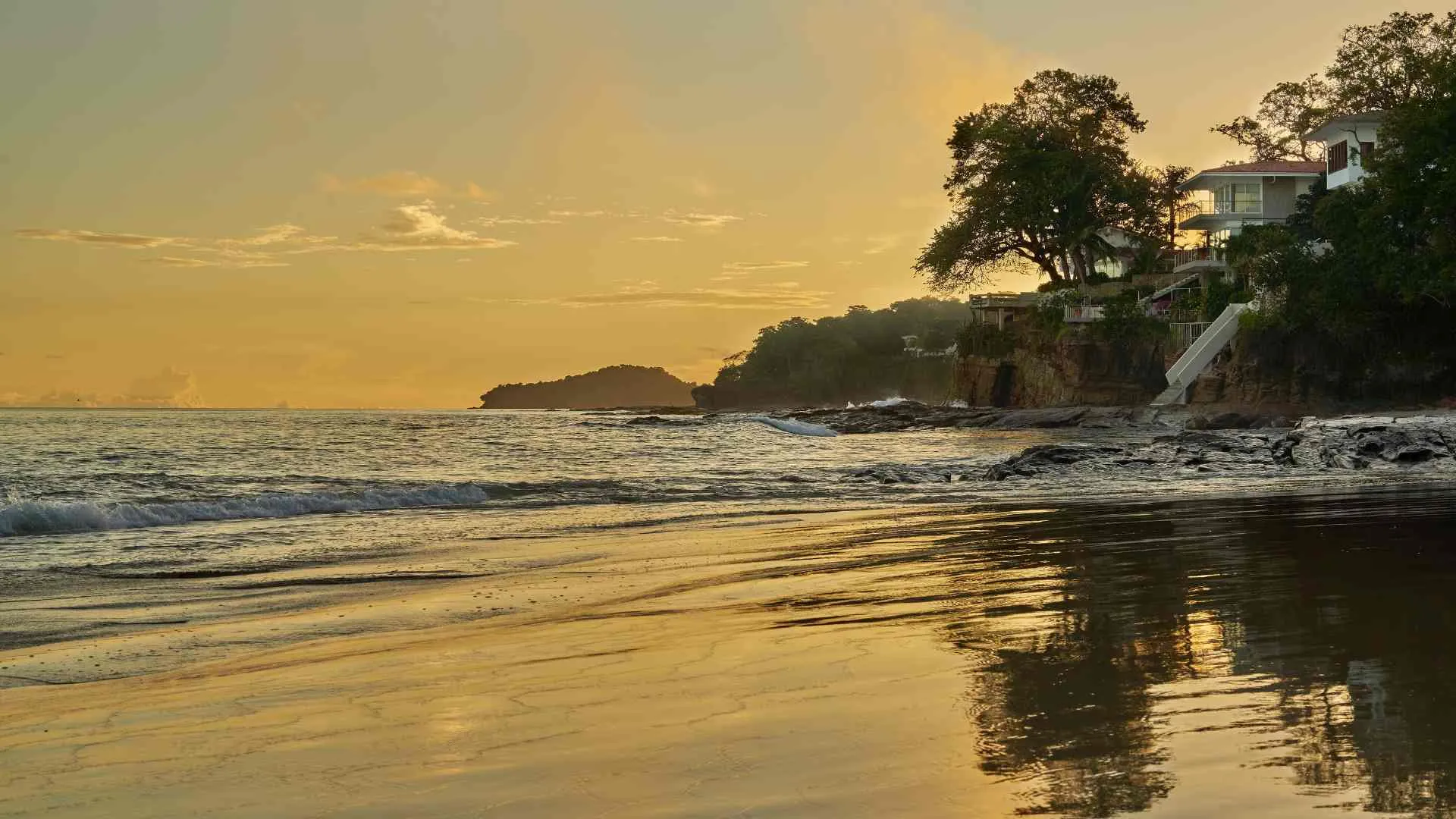
Food, water, cash, and connectivity
Restaurants and small stores exist, but selection, hours, delivery stock, and card acceptance vary. Reserve dinner through your lodging when possible, especially on weekdays, holidays, and quieter dates.
Ask your host whether that property’s tap water is recommended for drinking. Arrange bottled water when uncertain, and bring dependable snacks if you have dietary restrictions or worry about transport delays.
Bring US dollars in small bills for golf carts, tips, transport, food, and emergencies. Plan as though no usable ATM exists, and remember that a restaurant accepting cards does not guarantee its terminal or connection will work.
Wi-Fi and mobile reception vary around the island. Download tickets, maps, confirmations, translation tools, and emergency contacts before leaving Panama City.


Snorkeling, diving, and boat trips
Shore snorkeling can be enjoyable, but the Pacific does not always resemble a still Caribbean lagoon. Ask where visibility is best, stay clear of boats, use flotation when appropriate, and never touch or stand on coral.
Divers should confirm that an operator is active on their dates, what gear is included, and how weather cancellations work. This Panama scuba-diving guide provides useful context for the country’s two very different coasts.
For island hopping, choose an established operator and ask about life jackets, shade, fuel, water, communication, passenger limits, and weather policy. Confirm every stop and inclusion before paying.
Never accept a wildlife guarantee. A responsible captain puts safe distance and animal behavior ahead of a close photograph.

Whale season and wildlife rules
July through October is the main humpback migration period promoted around Las Perlas, but sightings are never guaranteed. Sea conditions and animal movement determine what a trip sees.
Choose a captain who follows Panama’s responsible marine-mammal practices, including controlled speed and respectful distance. The Ministry of Environment’s whale-viewing guidance is a useful standard when evaluating a tour.
Do not ask a boat to chase, surround, feed, touch, or cut across whales. Give mothers and calves extra space, keep noise low, and secure belongings inside the boat.
Take every piece of trash away, leave occupied shells in place, and do not handle rays, turtles, coral, or other wildlife. These rules matter even when someone offers a quick photo.

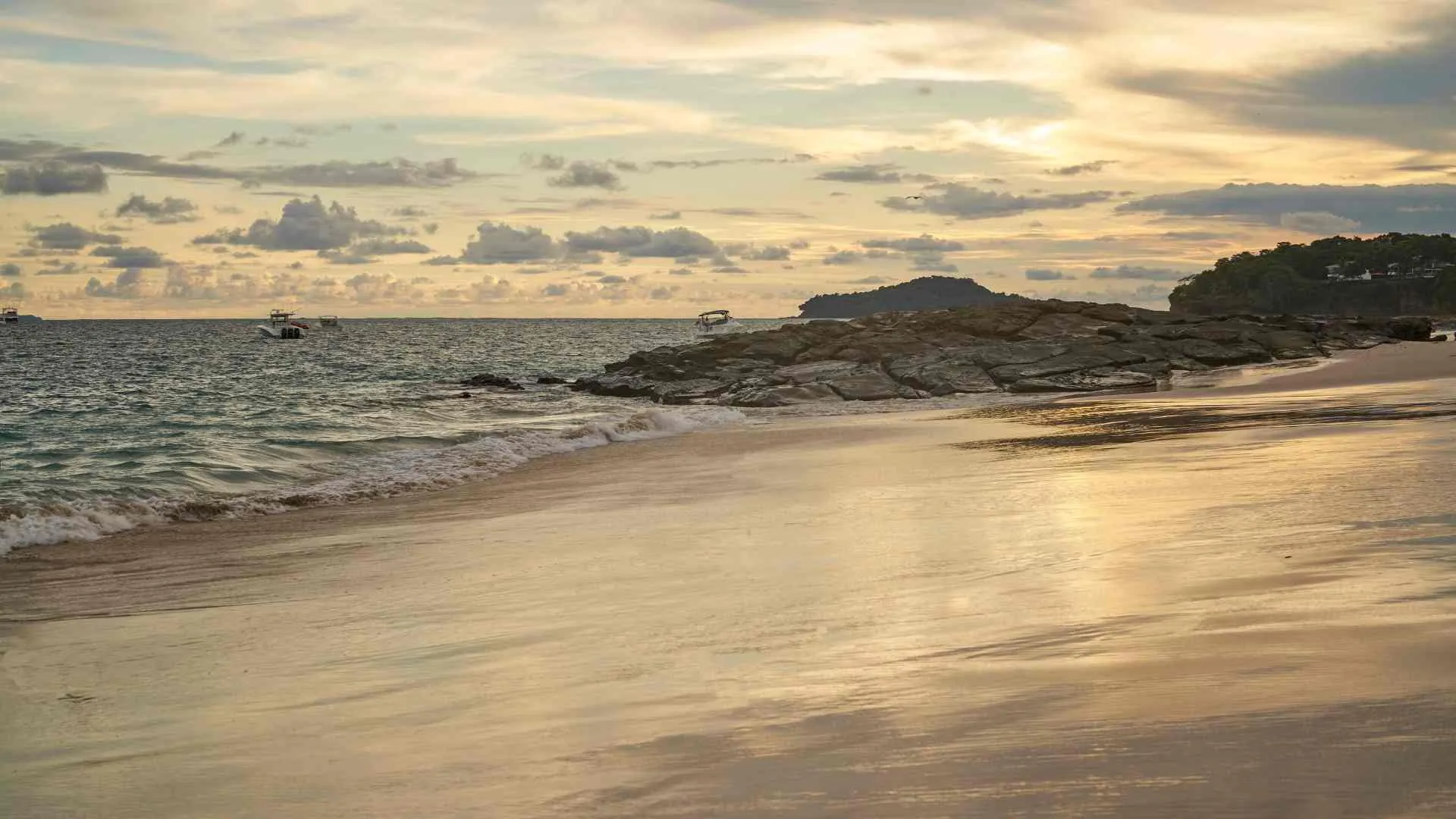
Weather, seasons, and tides
The drier season generally runs from about December through April, bringing higher demand and often more predictable beach weather. Wetter months are greener and quieter but can bring storms, rough crossings, and muddy roads.
Rainy season does not mean continuous rain, and dry season does not guarantee calm water. Check a marine forecast because wind and swell matter more than a generic rain icon for ferries and snorkeling.
Tides dramatically change the width of small beaches and expose rocks. Ask about the safer swimming window, especially with children, and keep bags above the rising-water line.
For a more varied Panama itinerary, combine island time with one of these waterfalls in Panama. Leave a mainland buffer rather than stacking two weather-sensitive adventures.


Safety and medical planning
Normal travel precautions apply even when the island feels quiet. Lock your room, keep cash discreet, do not leave a phone on an empty beach, avoid isolated roads after dark, and never drive a golf cart after drinking.
The larger concern is limited medical capability and the time needed to reach advanced care. Bring prescriptions, motion-sickness medicine, basic first aid, insect repellent, sun protection, and insurance covering island transport and medical evacuation.
Save your lodging, ferry, insurer, and emergency contacts offline. Tell someone before a private boat trip, avoid swimming alone, and stay out when currents or waves make you uncertain.


What to pack
- Cash in small bills plus a separate emergency reserve.
- Identification, ferry confirmations, and offline copies of essential contacts.
- Hat, sunglasses, reef-conscious sun protection, and a long-sleeve sun layer.
- Insect repellent, prescriptions, motion-sickness supplies, and basic first aid.
- Water bottle and dependable snacks for delays.
- Dry bag or waterproof pouch for ferry spray and boat trips.
- Water shoes or sturdy sandals for rocks and rough paths.
- Portable battery, charging cable, and downloaded maps.
- Light rain protection during wetter months.
Pack lighter than for a mainland road trip because luggage may cross docks, sand, small vehicles, and stairs. A soft-sided bag is usually easier than a large rigid suitcase.

Who should skip Contadora?
Reconsider the island if you need advanced medical care nearby, guaranteed fast internet, step-free transport, extensive nightlife, or many restaurants at all hours. Travelers who strongly dislike boats and small aircraft may find the journey outweighs the reward.
Parents should ask direct questions about car seats, railings, shade, medical supplies, and beach conditions rather than trusting a broad “family-friendly” label. Travelers with limited mobility should request photos of entrances, bathrooms, beach access, and transfer vehicles.
If nonstop entertainment matters more than quiet beaches, a Panama Canal cruise may fit better. Contadora rewards people content with a beach, a book, and a lightly planned day.


A realistic day-trip plan
- Early morning: Check in at the required time with identification, water, tickets, and motion-sickness supplies.
- Arrival: Confirm the return location and departure time before leaving the landing area.
- Late morning: Pick one beach based on that day’s tide, wind, and swimming conditions.
- Lunch: Use your included restaurant or a place confirmed before arrival.
- Early afternoon: Visit a second beach only if the ferry deadline leaves a generous buffer.
- Departure: Return early, protect valuables from spray, and keep onward plans flexible.
The smartest day trip does not check off the most beaches. It protects the return ferry and still provides several calm hours by the water.

A relaxed two-night itinerary
Day one: Arrive and orient yourself
Use your prearranged transfer, confirm dinner, and spend the afternoon at the easiest nearby beach. Buy water and snacks while stores are open, then scout roads and tomorrow’s beach options before dark.
Day two: Beaches and one signature activity
Start at the beach with the best morning conditions, then move if tide, wind, or crowds change. Choose one organized activity such as snorkeling, diving, fishing, whale watching in season, or island hopping.
Leave time unscheduled because relaxation is the island’s strength. Reconfirm dinner and the next day’s transport before evening.
Day three: Easy morning and departure
Take a short swim without straying far from your luggage or pickup point. Settle charges while connectivity works and arrive early for the ferry or flight.

Mistakes that can spoil the trip
- Tight airline connection: A late ferry can become a missed international flight.
- No cash: Card acceptance is not the same as card reliability.
- No food plan: Opening hours and menus can change with supply.
- Late golf-cart booking: The small inventory can sell out.
- Old ferry timetable: Verify the dock, operator, schedule, check-in, and baggage rules.
- Too many day-trip stops: Two good beaches beat a rushed island lap.
- Entering ruins: Abandoned buildings and vessels are not maintained attractions.
- Resort expectations: Prepare for small-island limitations.

Contadora Island FAQ
Can you visit in one day?
Yes, and a day-pass package can simplify transfers, meals, shade, and bathrooms. Focus on one main beach and protect your departure buffer.
How many nights do you need?
Two nights works for most travelers. Add a third for deeper relaxation or a weather-dependent boat excursion.
Do you need a golf cart?
No, but it helps with beach hopping, heat, children, and gear. Reserve early and verify the rental terms.
Is there an ATM?
Plan as though no usable ATM exists and bring sufficient cash from Panama City. Keep a card as backup, but do not depend on terminals everywhere.
Can you drink the tap water?
Ask your accommodation about its exact water supply and current recommendation. Use bottled or properly treated water when the answer is uncertain.
Is the snorkeling good?
It can be good when tide, wind, and visibility align, but conditions vary by day and beach. Ask locally and use a reputable guide for offshore areas.
Is Contadora safe?
Many visits are trouble-free, but normal precautions apply. Limited medical care deserves more planning than the island’s crime risk.
When is whale season?
July through October is the main humpback period promoted around Las Perlas. Sightings remain unpredictable, so choose an ethical operator and never buy a guarantee.
Final verdict
Contadora is worthwhile when you plan for what it really is: a scenic small island with beautiful beaches and limited infrastructure. Reserve the essentials, carry cash and water, leave room for changing conditions, and let the slower pace be the point.

Ellie is the founder of Ellie's Travel Tips, where she shares practical cruise tips, port guides, and step-by-step itineraries to help you plan smarter trips for less. Her checklists and packing guides turn travel daydreams into doable plans.