
Arvia stands out as a remarkable vessel that promises a blend of luxury and comfort, nestled within the vast, tranquil embrace of the sea.
However, like every other ship sailing across the azure, the Arvia has its share of less desirable cabins that could potentially put a damper on your maritime holiday. Just like how you don't want to forget those top cruise essentials, you will also want to review the top cabins to avoid.
Let's dive into the Arvia cabins to avoid, informing your choice as you plan your 3-day cruise or longer!


Understanding Cabin Categories
Every cruiser has a unique set of preferences when it comes to choosing a cabin. Some may prioritize a serene, quiet space, while others may favor a room with a view.
The Arvia, with its sprawling deck plans, hosts a variety of cabin categories to cater to every passenger's desire.
Let's delve into the main types of cabins available and the basic amenities they offer, which will lay the foundation for understanding which cabins might be more susceptible to common issues.
Inside Cabins
- These cabins are the most economical choice, with no windows to the outside. Ideal for budget travelers or those who prefer a dark room for sleeping.
- Amenities: Standard amenities include a bed, bathroom, television, and storage space.
Oceanview Cabins
- A step up from inside cabins, Oceanview cabins feature a window or porthole, bringing a slice of the ocean into your room.
- Amenities: Alongside the standard amenities, the window adds a sense of spaciousness and a natural light source.


Balcony Cabins
- Balcony cabins offer a private outdoor space, allowing passengers to soak in the maritime ambiance right from their cabin.
- Amenities: In addition to the standard amenities, a balcony with outdoor seating enhances the cruise experience significantly.
Suites
- For those seeking luxury, suites offer more space, distinct living and sleeping areas, and often come with extra perks like priority boarding and concierge service.
- Amenities: Suites often include upscale furnishings, large bathrooms, walk-in closets, and expansive balconies.
Understanding the basic layout and offerings of each cabin category will help you align your preferences with what’s available.
It also sets the stage for our discussion on some of the common concerns associated with certain cabins. Knowing what to expect and what’s important to you is the first step in avoiding cabin pitfalls that could turn your dream cruise into a less than pleasurable experience.


Identifying Arvia Cabins to Avoid
Uncovering the specifics about the cabins can be a navigator’s compass in ensuring a delightful voyage aboard the Arvia.
While we may not have specific cabin numbers to avoid due to various reasons, understanding the general areas and types of cabins where issues commonly arise can go a long way.
Here's a categorized breakdown based on the potential concerns identified with the Arvia cabins to avoid:
Noise-Prone Cabins
- Cabins Near Entertainment Venues: Cabins situated close to theaters, bars or nightclubs may suffer from noise bleed during events.
- Cabins Adjacent to High-Traffic Areas: Those near elevators, stairways, or service areas may experience increased noise levels.
Cabins with Vibration Issues
- Rear Lower-Deck Cabins: Cabins near the engine area on the lower rear decks may experience noticeable vibrations and engine noise, especially at higher speeds.
- Front Lower-Deck Cabins: Those located at the front on lower decks may be affected by noise and vibration from anchors and thrusters, particularly during docking.


Cabins with Obstructed Views
- Lifeboat Obstructions: Cabins with views partially or fully blocked by lifeboats or other structural elements.
- Promenade Deck Obstructions: Cabins that may lack privacy or have partially blocked views due to their proximity to public walkways.
Cabins with Privacy Concerns
- Cabins Facing Public Areas: Cabins facing public decks or promenades might lack the desired level of privacy.
- Adjoining Cabins: Those with doors to adjacent cabins may suffer from noise bleed if occupied by noisy neighbors.
Cabins with Smaller Size or Odd Layouts
- Reduced Square Footage Cabins: Some cabins may be smaller due to structural constraints.
- Unconventional Layout Cabins: Cabins that may have odd layouts making space utilization challenging.
Having a clear picture of potential cabin concerns, you're well-armed to make a choice that aligns with your comfort and expectations.
The aim is to avoid the bumps and steer towards a serene and delightful cruise experience.
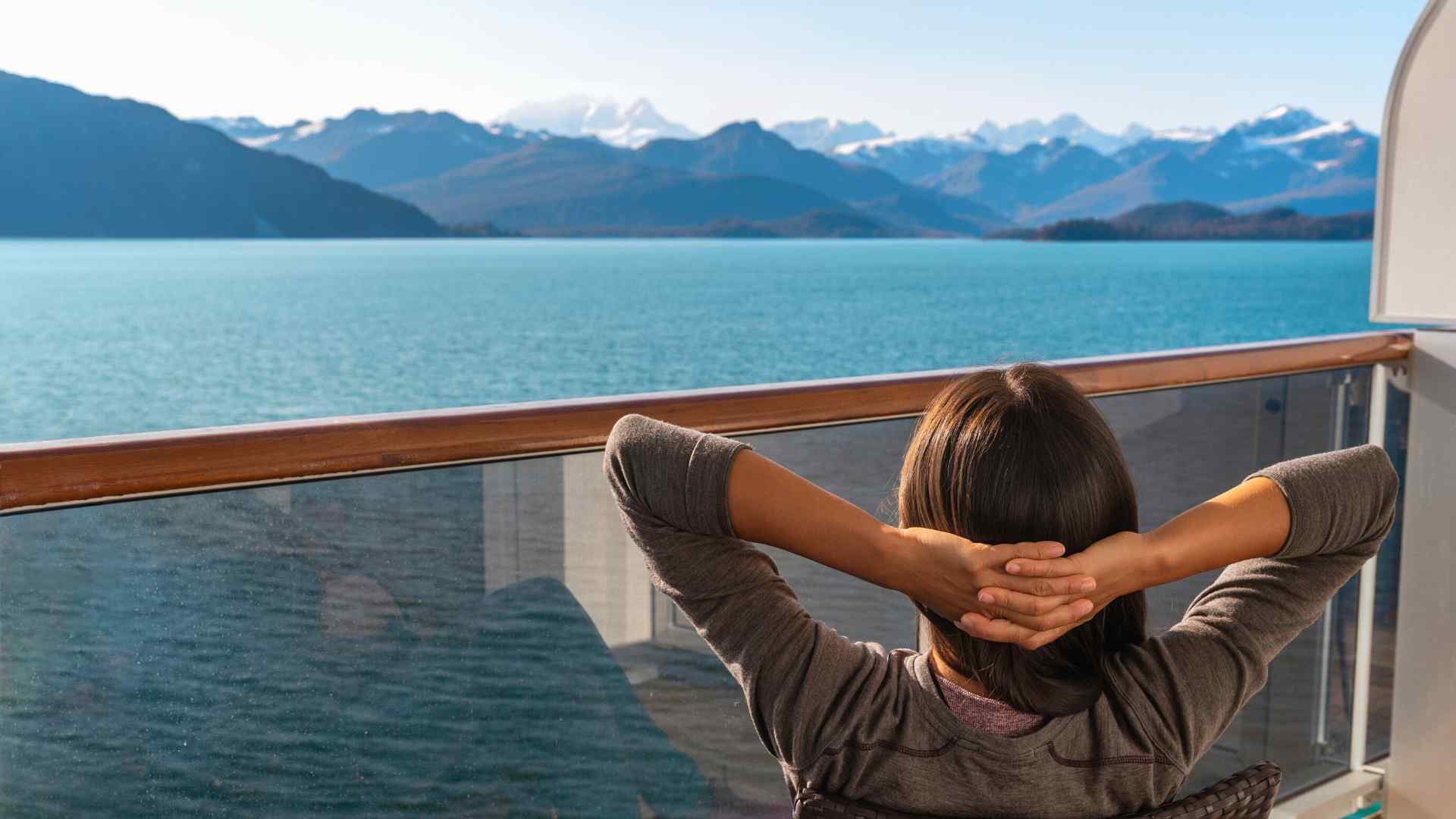

With a clearer understanding of which cabins or areas may potentially harbor disturbances, it’s time to navigate towards the more serene and enjoyable cabin choices on the Arvia.
Armed with the insights from previous sections, you're now better equipped to make a cabin selection that aligns with your cruise vacation expectations.
Seeking Serenity
- Mid-Ship Cabins: Generally, cabins located mid-ship experience less motion and are conveniently located equidistant from amenities and activities.
- Higher Deck Cabins: Often quieter as they are away from the noise of entertainment venues and service areas typically found on lower decks.
Room with a View
- Unobstructed Balcony Cabins: Look for balcony cabins that aren’t obstructed by lifeboats or structural elements, offering clear views of the ocean.
- Aft or Forward Facing Cabins: These cabins provide unique, unobstructed views forward or aft, adding a special experience to your voyage.


Seeking Extra Space
- Cabins with Larger Balconies: Some balcony cabins offer extended balconies giving you more outdoor space to relax.
- Suites: If budget permits, cruises with suites provide larger living spaces, extra amenities, and often come with perks like priority boarding.
Ensuring Privacy
- Cabins with Private Balconies: Seek out cabins that offer balconies not overlooked by public areas for an added level of privacy.
- Avoid Adjoining Cabins: If privacy is a priority, it’s best to avoid adjoining cabins unless traveling with family or friends.
Considering Special Needs
- Accessible Cabins: If you or someone in your party has mobility issues, accessible cabins offer more space and are designed to accommodate special needs.
Consulting a Travel Advisor
- Expert Guidance: Consider consulting with a travel advisor who specializes in cruises. Their experience can be invaluable in helping you choose the right cabin.
With a wealth of alternative cabin choices available, the pathway to a delightful cruise experience on the Arvia is well within reach.
Taking the time to understand your preferences, consulting deck plans, and possibly seeking the expertise of a travel advisor can greatly enhance your voyage.
As you edge closer to setting sail, these tips and insights serve as your compass towards a cabin that promises comfort, tranquility, and splendid views of the boundless ocean.


Anchoring Your Decision: Summary and Checklist
Having navigated through the myriad aspects of cruise cabin selection with the Arvia cabins to avoid, we now find ourselves at the final harbor of this guide.
Here's a summary to anchor your decision and a checklist to ensure a smooth sail towards your ideal cabin choice.
Summary
- Understanding Cabin Categories: Knowing the basic types of cabins and their amenities helps in aligning your expectations and budget.
- Identifying Common Concerns: Awareness of potential noise, vibration, obstruction, privacy, and layout concerns aids in avoiding unwanted surprises.
- Specific Cabins to Avoid: Though we didn't delve into specific cabin numbers, recognizing areas where concerns are common is crucial.
- Navigating Towards Better Choices: Considering location, view, space, privacy, and special needs ensures a more comfortable and enjoyable cruise experience.


Checklist
- Budget:
- Have you determined your budget for cabin selection?
- Preferences:
- Have you listed your preferences (e.g., view, privacy, space)?
- Location:
- Have you considered a mid-ship cabin for less motion and convenience?
- Have you checked the proximity to elevators, stairways, and amenities?
- View:
- Have you looked for unobstructed views if a view is important to you?
- Privacy:
- Have you avoided cabins facing public areas or with adjoining doors, unless necessary?
- Special Needs:
- Have you considered accessible cabins if you or someone in your party has mobility issues?
- Consultation:
- Have you considered consulting a travel advisor for expert guidance?
- Recent Reviews and Deck Plans:
- Have you checked recent reviews and the latest deck plans to corroborate information?
Your voyage aboard the Arvia is poised to be an unforgettable fun cruise adventure. With this comprehensive guide and checklist (also make sure to watch some ship tours), you are now well-navigated to make an informed cabin choice that suits your preferences and ensures a delightful cruising experience.
As you prepare to embark on this maritime journey, may the knowledge acquired here steer you towards serene waters and beautiful horizons. Happy cruising on the splendid Arvia!
FAQs on Arvia Cabins to Avoid
In this section, we address some of the commonly asked questions regarding cabins to avoid on the Arvia, providing succinct answers to guide you on your voyage to making an informed cabin selection.
1. What are the main concerns when choosing a cabin on the Arvia?
- The primary concerns include noise, vibration, obstructed views, lack of privacy, and unusual layouts. It's advisable to review deck plans and possibly consult with a travel advisor to avoid such issues.
2. How can I ensure a quieter cabin?
- Opt for a cabin away from high-traffic areas like elevators, staircases, and service areas. Also, cabins distant from entertainment venues or located on higher decks often tend to be quieter.
3. Are there cabins with less motion?
- Yes, mid-ship cabins on lower decks usually experience less motion compared to those at the very front or rear of the ship.
4. How can I avoid booking a cabin with an obstructed view?
- Reviewing the deck plans, checking cabin descriptions, and looking for photographs or reviews from previous passengers can help. Some listings may specifically note if a view is obstructed.
5. What are the benefits of consulting a travel advisor?
- Travel advisors with cruise experience can provide personalized advice based on your preferences and may have insights on the latest cabin conditions and ship configurations.
6. What should I do if I end up with a less desirable cabin?
- If you find yourself in a less desirable cabin, you might check with guest services to see if there’s an available cabin to switch to. However, availability may be limited especially during peak cruising seasons.
7. Is it worth upgrading to a suite for a better experience?
- If budget permits, upgrading to a suite can offer more space, better views, added amenities, and often, priority services which can significantly enhance your cruising experience.
8. Do all balcony cabins have private balconies?
- Most balcony cabins do have private balconies, but it's always wise to check the deck plans to ensure the layout and level of privacy meet your expectations.
9. Can I request a change of cabin if I experience excessive noise or other issues?
- Yes, you can request a change though availability of other cabins will depend on the occupancy rate of the cruise. It's always better to report issues as soon as possible to guest services.
10. Where can I find the most up-to-date information on cabin configurations and conditions?
- The cruise line's official website, travel advisors, or cruise forums are good resources for the latest information on cabin configurations and conditions.
11. How can I find out if a cabin has an adjoining door with the next cabin?
- Adjoining cabins are often marked on the deck plans which can be found on the cruise line’s official website. Additionally, consulting with a travel advisor or contacting the cruise line directly can provide clarity on cabin configurations.
12. Are there specific decks to avoid due to noise or other disturbances?
- It may be prudent to avoid decks directly below or above entertainment venues, high-traffic areas, or service areas due to potential noise disturbances.
13. Is there a best time to book a cabin to get a better selection?
- Booking as early as possible generally provides a wider selection of cabins. Moreover, early booking may also come with the benefit of early booking discounts.
14. What’s the difference between standard balconies and extended balconies?
- Extended balconies are larger than standard balconies, providing more outdoor space to relax and enjoy the views.
15. Are accessible cabins only for passengers with disabilities?
- Primarily, yes. Accessible cabins are designed for passengers with disabilities and may require proof of need at the time of booking.
16. Can I change my cabin once on board?
- It's possible, though subject to availability and potentially extra cost. If you wish to change your cabin, visit guest services as soon as possible once on board.
17. Is it better to book cabins on higher decks?
- Cabins on higher decks may offer better views and be further away from the noise of public areas, but they may also experience more motion and potentially higher prices.
18. How can I find out the size of a cabin before booking?
- Cabin sizes are often listed in the cabin description on the cruise line’s website or brochure. You can also contact the cruise line or consult a travel advisor for this information.
19. Are there any resources available for viewing cabin photos before booking?
- Yes, cabin photos are often available on the cruise line’s website, cruise review sites, and sometimes on travel advisor websites.
20. What should I do if I have special requirements for my cabin?
- If you have special requirements, it’s advisable to communicate these at the time of booking and confirm them before boarding. Engaging a travel advisor who is knowledgeable about cruises can also be a great asset.

Ellie is the founder of Ellie's Travel Tips, where she shares practical cruise tips, port guides, and step-by-step itineraries to help you plan smarter trips for less. Her checklists and packing guides turn travel daydreams into doable plans.