
Ahoy, fellow sea travelers! Whether you're a seasoned cruiser or a first-timer, understanding the intricacies of a cruise ship's layout can be your compass to a more enjoyable voyage.
This comprehensive guide is here to demystify cruise floor plans, giving you an inside look at the design of these floating cities. So, grab one of our cruise planners and anchor's away! Let's set sail on this enlightening journey of cruise ship design and navigation.

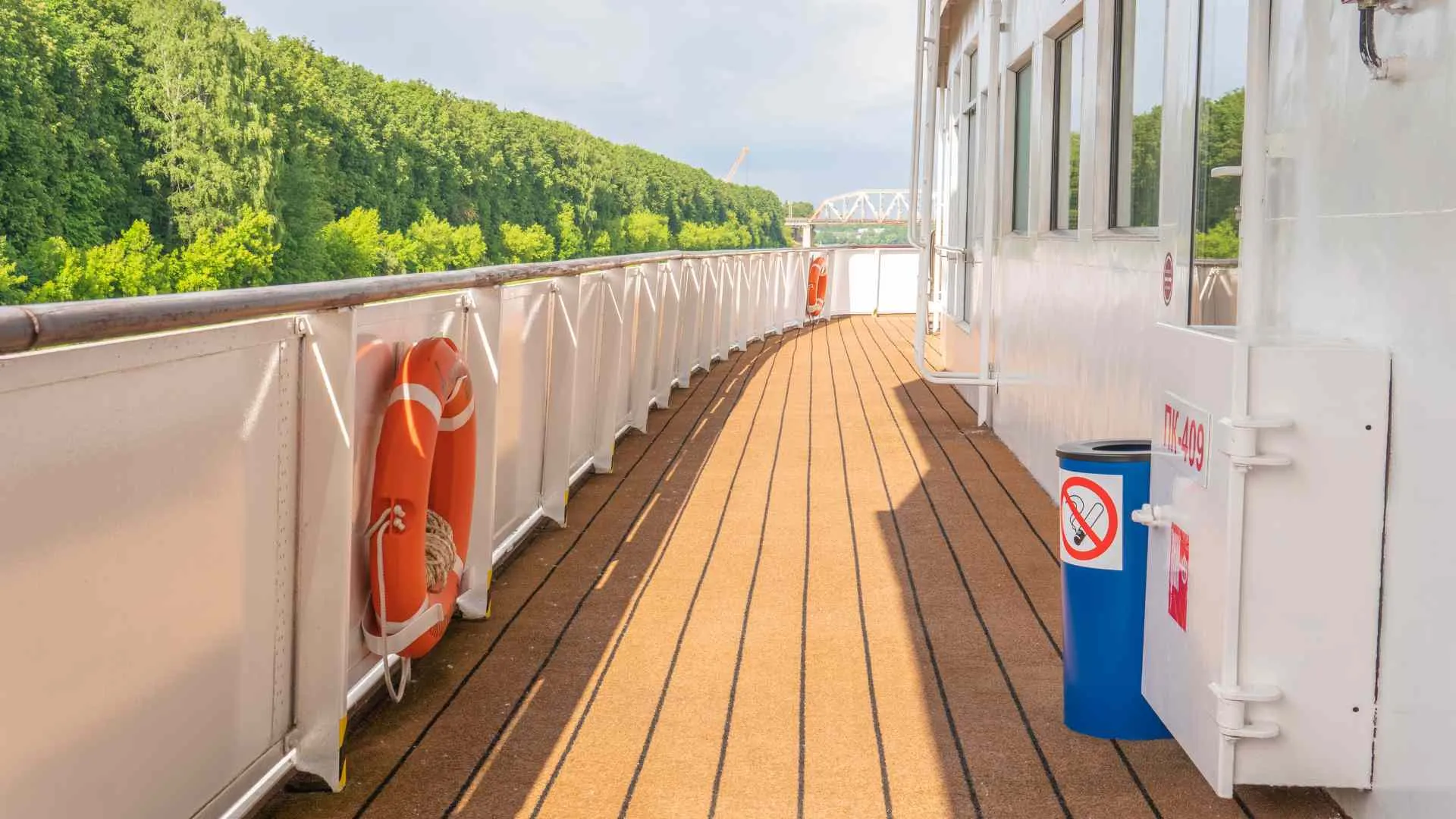
Brief History of Cruise Ship Design
For many, cruise ships represent luxury, adventure, and an opportunity to escape the mundane. But these floating marvels didn't just magically appear in their current grandeur.
Like all things, they evolved over time (and didn't start as all-inclusive!), with their designs reflecting the changing needs and desires of the travelers aboard.
Early Beginnings and Transatlantic Crossings
Before cruise ships became the leisure palaces they are today, they were primarily used for transatlantic crossings.
In the late 19th and early 20th centuries, ocean liners like the RMS Titanic and RMS Lusitania were designed with a straightforward approach—efficient transportation from Point A to Point B.
But even then, these ships showcased elements of luxury, especially for first-class passengers, while the lower decks were reserved for immigrants and those of the working class.

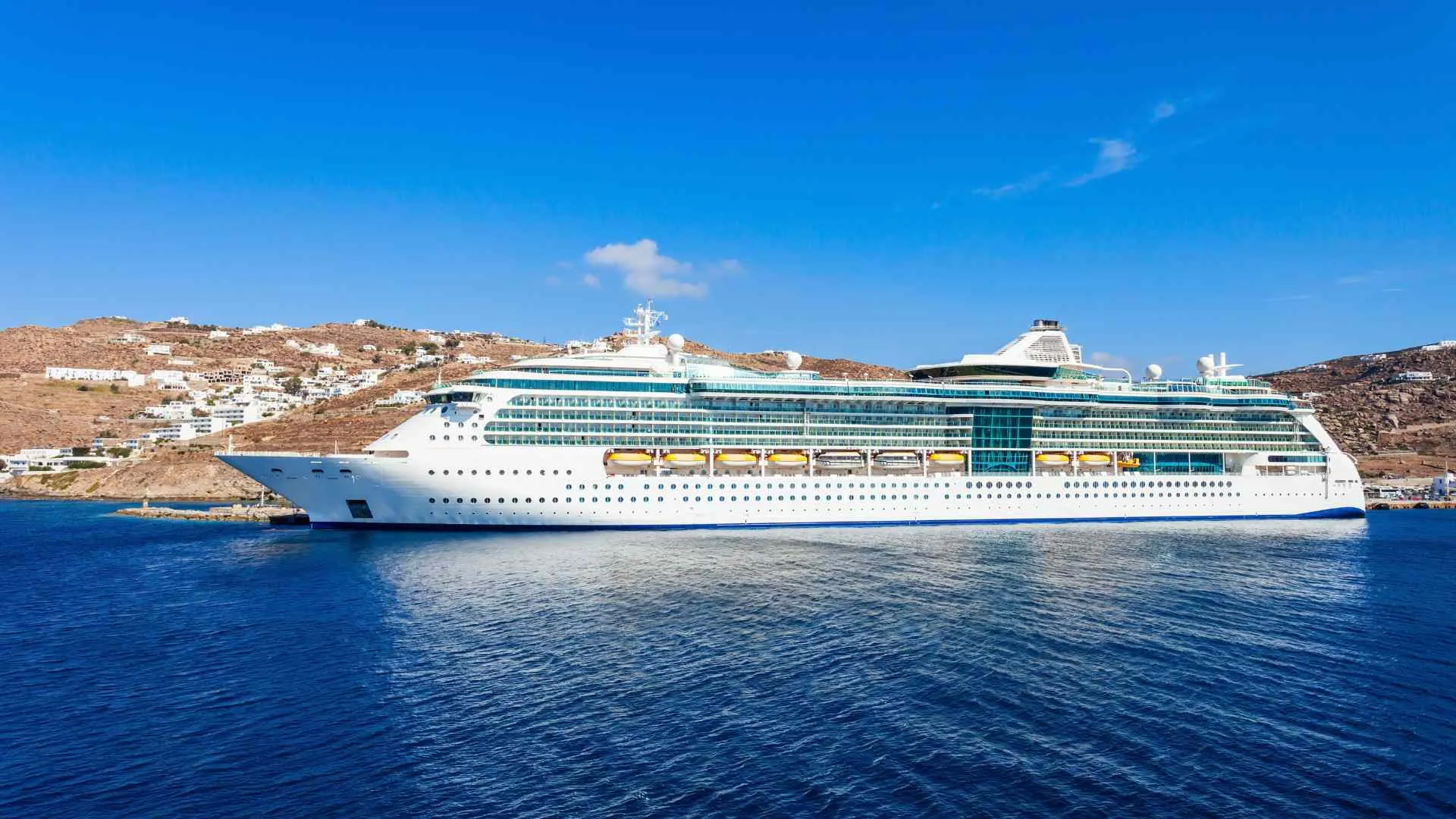
The Rise of Leisure Cruising
Post World War II marked a significant shift. Air travel became increasingly popular for transatlantic journeys, pushing ocean liners to evolve or face extinction.
As a result, cruise ships started focusing on the journey itself rather than the destination. This era saw ships like the SS France and QE2, which were designed more for relaxation, leisure, and on-board entertainment.
With multiple dining options, theaters, pools, and even shopping areas, the foundation for today's cruise layouts began to take shape.
Modern Mega-Ships
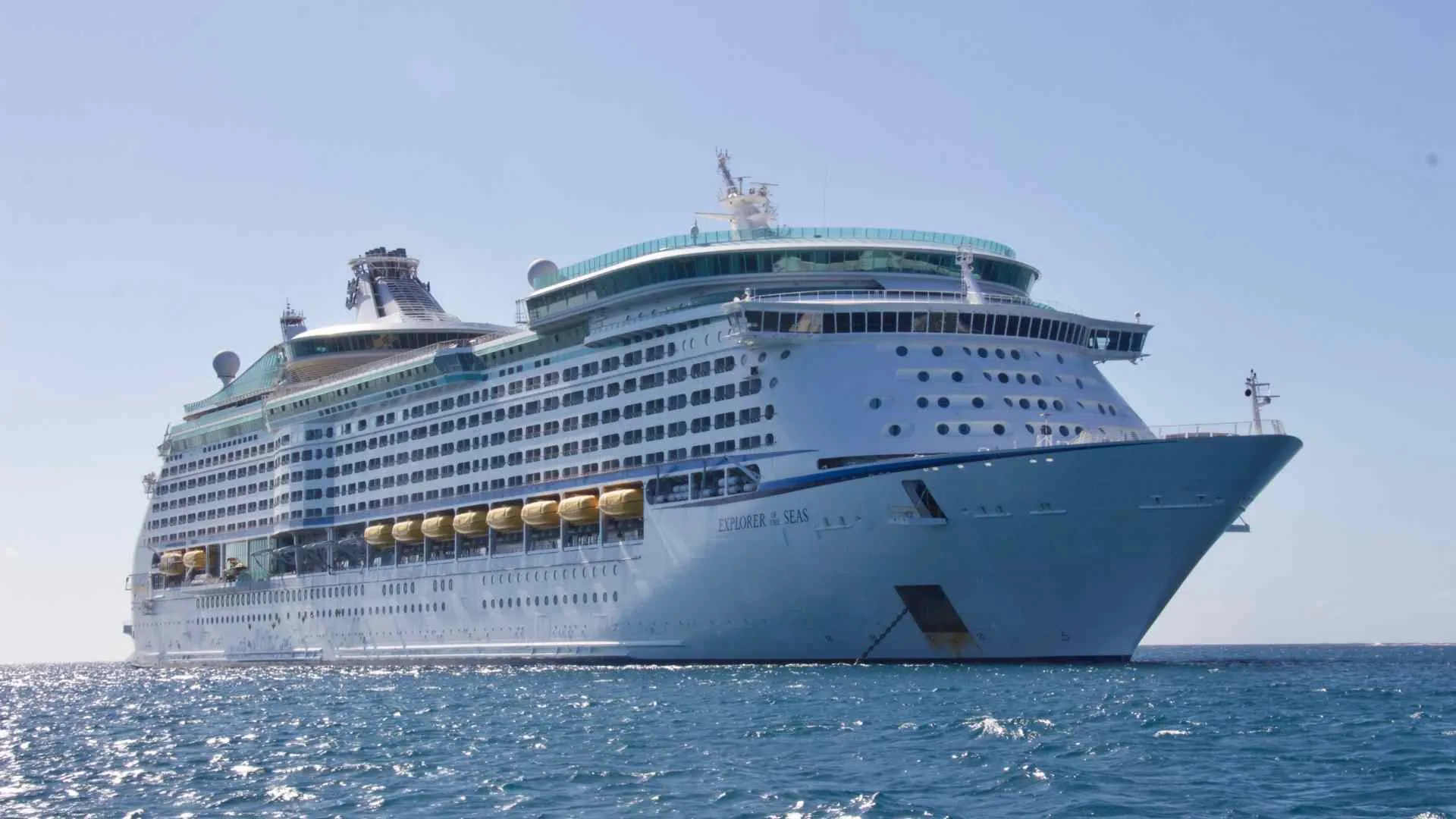
Fast forward to the 21st century, and we have witnessed the rise of mega-ships. Vessels like the Symphony of the Seas or the Norwegian Bliss are not just ships—they are floating cities filled with fun cruising activities!
Housing over 6,000 passengers, these giants feature multiple neighborhoods, Broadway-style theaters, water parks, and even robotic bartenders.
The cruise floor plans of such ships are intricate, with zones dedicated to different activities, from serene adult-only retreats to bustling boardwalks.

Summarizing this Historical Journey
The transformation of cruise ship designs over the decades is a testament to mankind's quest for exploration, luxury, and innovation.
While the primary purpose of these vessels has shifted from transportation to recreation, one thing remains constant: the promise of unforgettable experiences.
As we delve deeper into the intricacies of modern cruise floor plans in the sections that follow, you'll see just how much thought goes into ensuring every traveler finds their slice of paradise aboard.
Stay tuned as we dive into the nuts and bolts of understanding cruise floor plans and how they contribute to making every sea voyage an adventure of a lifetime!

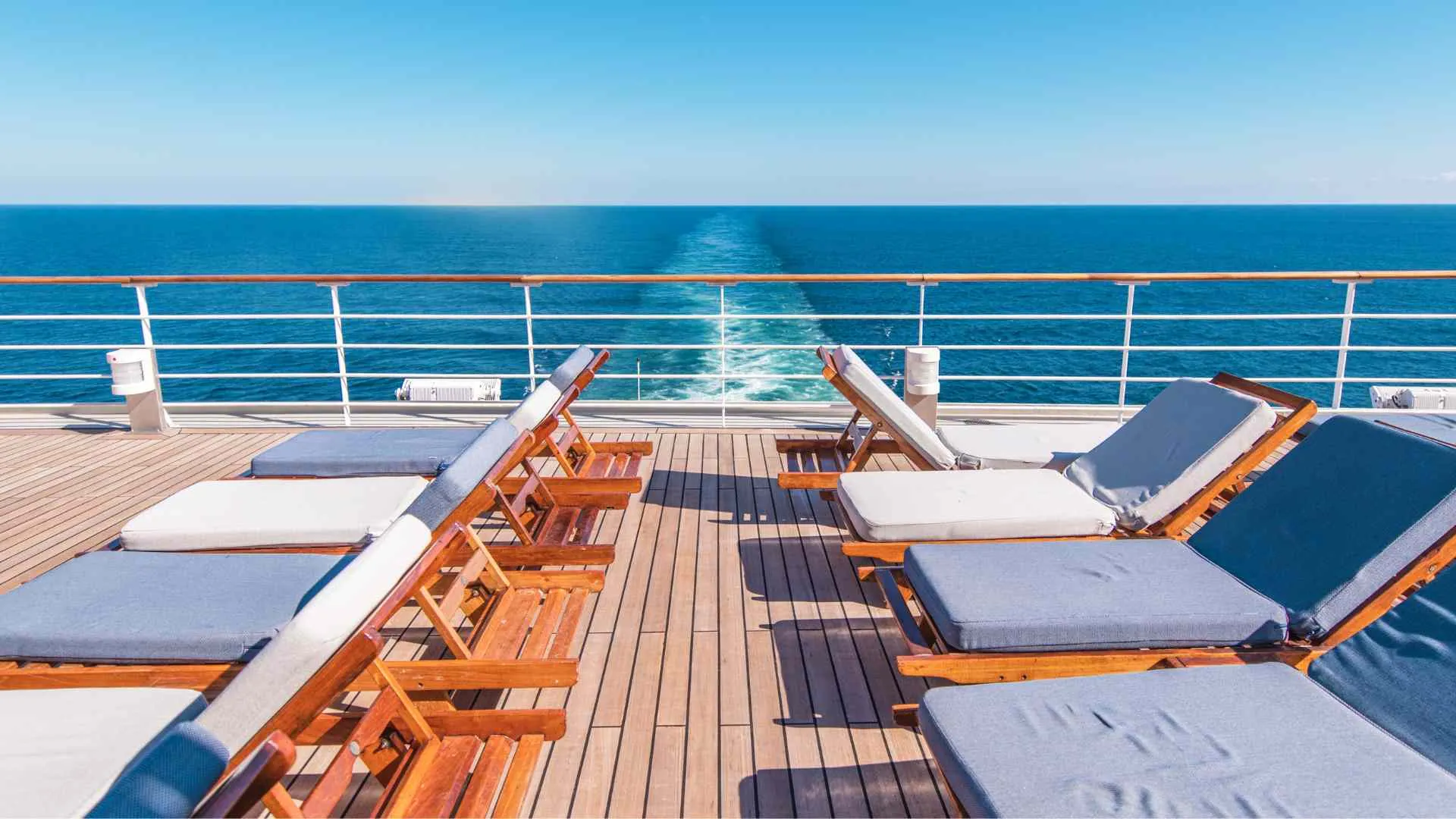
Basics of Cruise Floor Plans
Navigating a colossal cruise ship can be an adventure on its own. At times, it might even feel like trying to find your way through a bustling metropolis. But fear not!
Just as any explorer has a trusty map, cruisers have floor plans to guide them. Before we set off on this navigational endeavor, let's first decode the basic elements that make up cruise floor plans.
Deck Levels
Every ship, regardless of its size, is divided into decks. These decks are essentially the “floors” of the ship shown in cruise floor plans.
- Lower Decks: Typically, these are where the majority of the staterooms or cabins are located. They might also house some of the ship’s operational features, such as the engine room or storage.
- Mid-Level Decks: A mix of accommodations, dining venues, entertainment areas, and shopping zones can usually be found here. They serve as the heart of the ship, buzzing with activities day and night.
- Upper Decks: These are predominantly recreational areas – think pools, water slides, sports courts, and observation decks. They’re where you’ll likely catch the best sunsets and feel the sea breeze in your hair.


Public vs. Private Spaces
Every cruise floor plan divides the ship into public and private areas.
- Public Spaces: These include restaurants, theaters, lounges, pools, and gyms. They're designed for communal enjoyment and are accessible to all passengers.
- Private Spaces: Predominantly referring to staterooms and suites, these areas are accessible only to those with specific keycards. Some luxury liners might also offer exclusive lounges or dining areas for suite guests.
These are the symbols and legends you'll find on cruise floor plans, helping you identify specific places or facilities.
- Symbols: Different symbols might represent dining venues, restrooms, elevators, staircases, and other essential spots. Familiarizing yourself with these can significantly ease your navigation.
- Directional Pointers: Arrows or other indicators might be used to show the forward (bow) and aft (rear) of the ship. This can be particularly useful when determining the direction you're headed in.


Special Features
Modern cruise ships are replete with innovations. Some might have promenades that offer a 360-degree view, while others might boast over-the-ocean cabanas.
These unique features are often highlighted prominently on floor plans, serving as both a navigational guide and a tantalizing teaser of what’s on offer.
Much like reading a book, understanding the basic structure and language of a cruise floor plan is crucial.
It provides you with a roadmap (or should we say, a sea-map?) to craft your unique onboard adventure, ensuring you get the most out of every moment of your cruise.
With these basics in hand, you're well-equipped to dive into the intricate layers of modern cruise ships and discover the wonders they hold.


Typical Layouts and Zones of Modern Cruise Ships
When stepping aboard a modern cruise ship, it's easy to be overwhelmed by the sheer size and range of activities on offer. The sprawling decks, multiple venues, and the myriad of experiences can make one's head spin.
But don't worry, intrepid cruiser! Here, we'll break down the typical zones and layouts you're likely to encounter, turning that behemoth of a ship into easily navigable sections on cruise floor plans.
Accommodation Decks
It's where you'll retire after a long day of fun.
- Inside Cabins: These are rooms without windows, often the most affordable option.
- Oceanview Cabins: As the name suggests, these come with a window or porthole for a slice of the sea.
- Balcony Cabins: Offering a private balcony for passengers, it’s a perfect spot for morning coffee or evening relaxation.
- Suites: The crème de la crème of accommodations are cruises with suites. They're more spacious, often with added amenities, privileges, and sometimes multiple rooms.


Entertainment Decks
Where the magic of the night comes alive!
- Theaters: From Broadway-style shows to interactive game shows, it's all about lights, camera, and action here.
- Clubs and Bars: Whether you fancy a cocktail, dance, or both, these venues are buzzing post-sunset.
- Casinos: Try your luck with a range of games, from slot machines to poker tables.
Dining Decks
Prepare your taste buds for a world of flavors.
- Main Dining Rooms: Offering multi-course meals, it's a classy affair without an extra charge.
- Specialty Restaurants: From sushi bars to steakhouses, these restaurants often come with an additional fee but offer unique culinary experiences.
- Buffets: A casual, all-you-can-eat setup with a diverse array of dishes.
- Cafes and Snack Bars: Perfect for grabbing a quick bite or a caffeine boost.


Recreation Decks
It's where fun meets relaxation.
- Pools and Jacuzzis: Whether you want to take a plunge or simply relax, these are the spots to be.
- Spas and Fitness Centers: From rejuvenating massages to high-energy workouts, cater to your body's needs.
- Sports Areas: Think mini-golf, basketball courts, or even zip lines on some modern ships.
Shopping and Promenade Decks
Shopaholics, rejoice!
- Boutiques: From designer wear to souvenirs, there's a shop for every desire.
- Duty-Free Shops: Grab some deals on liquor, tobacco, and luxury goods without the tax.
- Walking Areas: Perfect for a leisurely stroll or to simply people-watch.


Specialty Areas
Adding the cherry on top of the cruise experience.
- Kids and Teens Zones: Designed specifically for the younger cruisers (whether toddlers or teens), with games, activities, and age-appropriate entertainment.
- Adult-Only Retreats: Sanctuaries for adults to relax and unwind without the younger crowd.
- Observation Lounges: Offering panoramic views of the ocean, they're a peaceful place to read or reflect.
Modern cruise ships are marvels of design, efficiently packing a vast array of amenities, activities, and accommodations into a floating wonder.
By understanding the typical zones and their offerings, you can tailor your cruise experience, ensuring you make the most of every moment and every deck.


How Cruisers Can Utilize Cruise Floor Plans
Embarking on a cruise is much like venturing into a new city: full of opportunities but also the challenge of navigation.
However, with cruise floor plans in your arsenal, you can transform potential moments of confusion into curated adventures. Let's delve into how you can make these floor plans work for you.
Plan Ahead
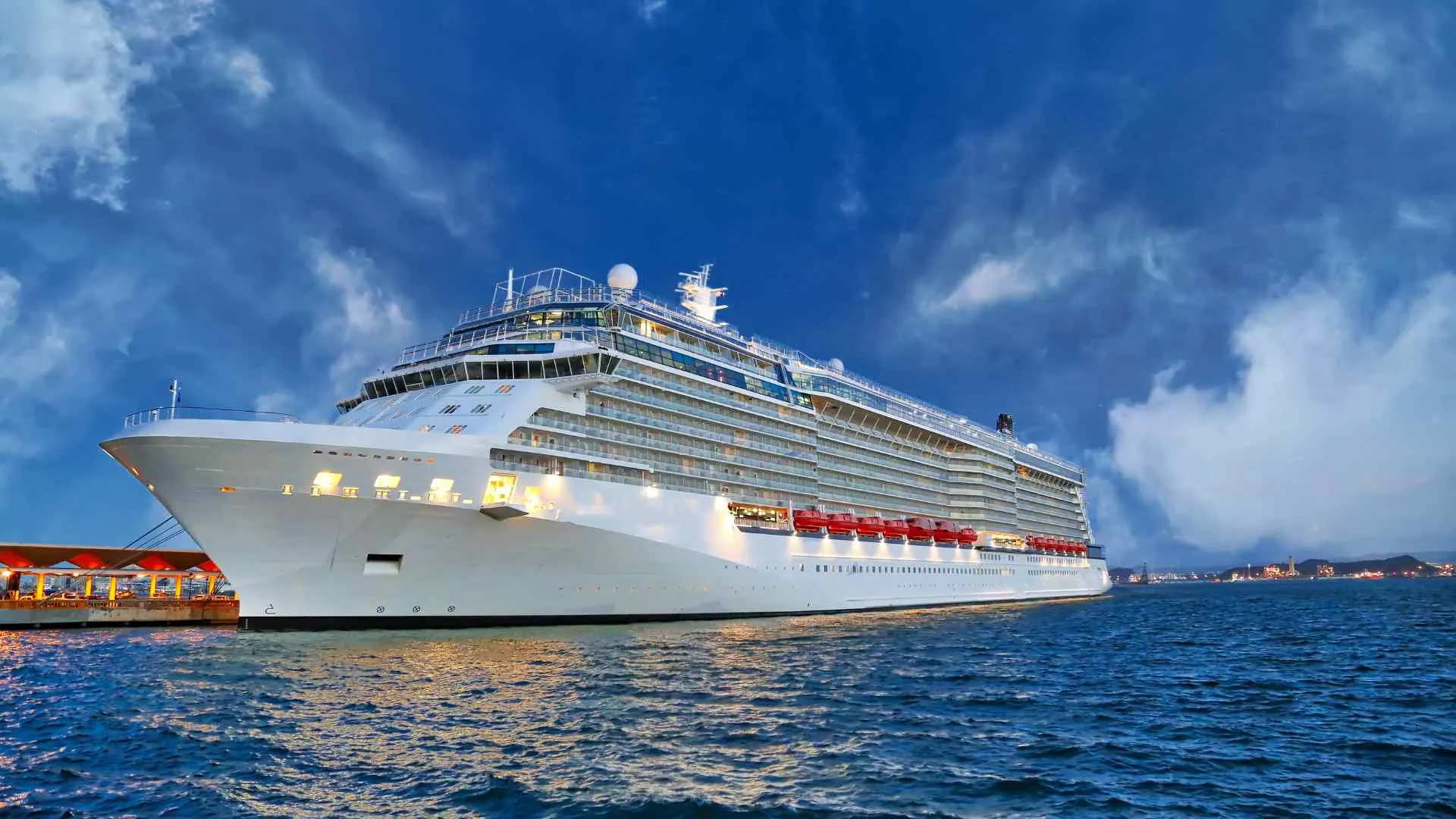
Most cruise lines offer digital or printed versions of their ship’s floor plans in advance. Before setting sail:
- Highlight Must-Visit Spots: Identify the venues or areas you're most excited about. Maybe it's the specialty restaurant you've heard so much about or the spa that promises a heavenly massage.
- Chart a Day-by-Day Plan: While spontaneous exploration has its charm, having a rough itinerary ensures you don't miss out on key experiences.

Streamline Your Movements
Instead of crisscrossing the ship multiple times a day:
- Group Activities by Deck: If you plan to hit the gym in the morning followed by a dip in the pool, schedule both if they're on the same deck.
- Avoid Peak Times: By studying the floor plan, you can gauge which venues might get crowded and when. Perhaps avoid the main buffet right at lunchtime or the theater just before a show starts.
Safety First
In the unlikely event of an emergency, knowing the layout can be invaluable.
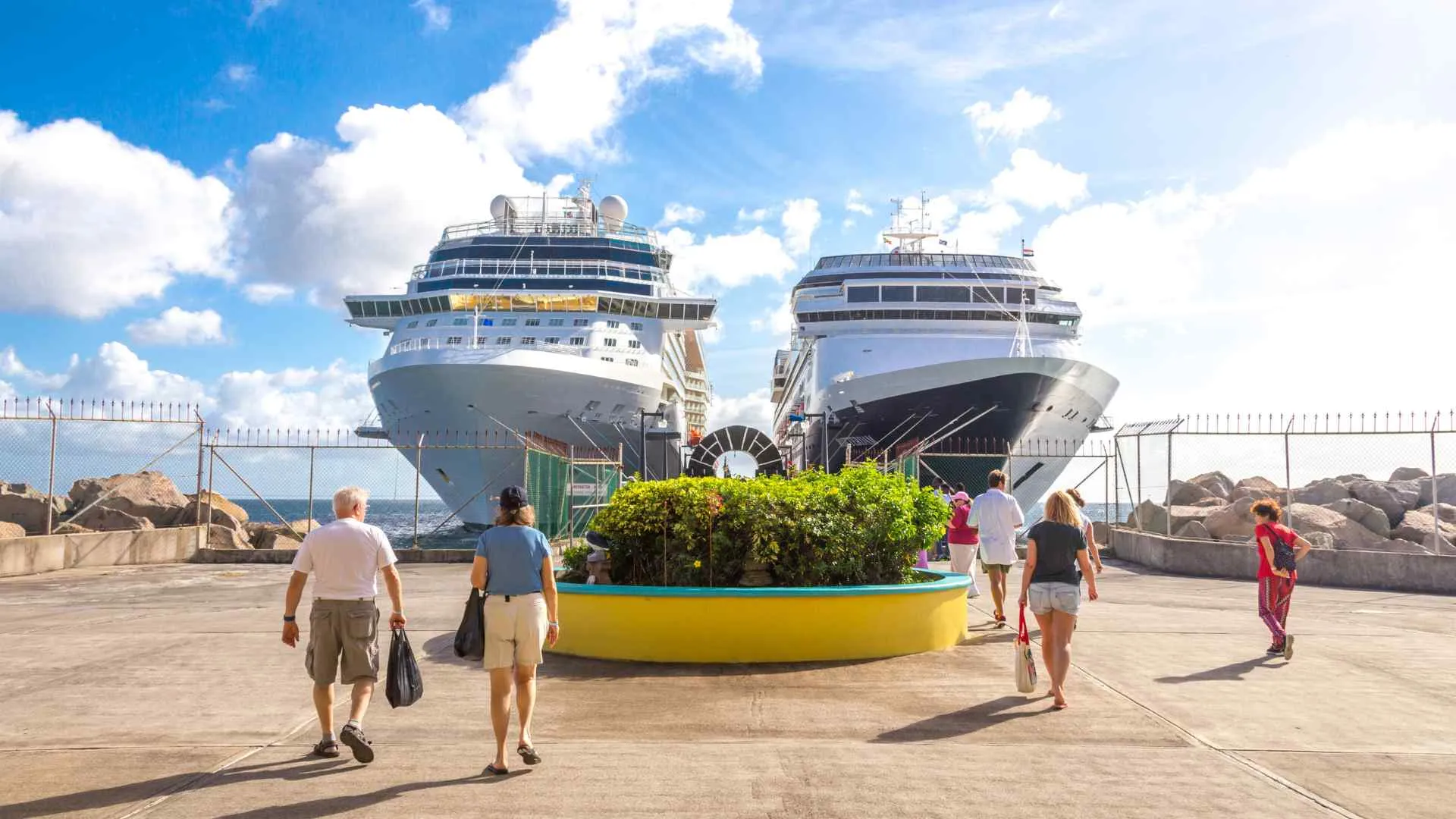
- Locate Muster Stations: These are the areas you'd head to during an emergency drill or situation. Familiarize yourself with the quickest route from your cabin.
- Spot Emergency Exits: While cruise staff are well-trained to guide you, having this knowledge gives additional peace of mind.

Optimize Cabin Selection
If you have flexibility in choosing your stateroom:
- Avoid Noisy Areas: By referencing the floor plan, you can pick a cabin away from high-traffic venues like theaters or clubs to ensure a peaceful night's sleep. Make sure to review our cabins to avoid guide!
- Consider Proximity: If you anticipate frequent visits to a particular area (say, the kids' club for your children), choose a cabin nearby for convenience.
Join Ship Tours
Many cruise lines offer guided tours, especially on the first day. This is a perfect opportunity to:
- Familiarize Yourself with Layouts: Having walked the decks with a guide, you’ll more easily remember the locations of key spots.
- Ask Questions: Use this chance to clarify any confusion about the floor plan or get insider tips on navigating the ship.


Mobile Apps and Interactive Screens
Modern ships often feature digital tools to aid navigation.
- Download the Cruise Line App: Many offer real-time maps, schedules, and the ability to bookmark places.
- Use Onboard Screens: You'll often find interactive screens around the ship that not only display the floor plan but also show directions to desired locations.
Being savvy with cruise floor plans is like having a secret weapon. It allows you to maximize enjoyment, reduce stress, and curate an experience that's uniquely tailored to your interests and desires. After all, a well-navigated cruise is a well-enjoyed cruise.


Tips for First-Time Cruisers
Ahoy, first-time cruisers! Embarking on your maiden voyage on the expansive blue seas can be both exhilarating and a tad overwhelming. With so much to do, see, and savor, where does one even begin?
Worry not! Here are some tried-and-true tips to ensure your debut cruise experience sails smoothly.
1. Pack SmartlyWhile it’s tempting to bring half your wardrobe:
- Consider the Dress Code: Cruise lines often have themed nights or formal dinners. Check in advance and pack accordingly.
- Remember Essentials: From passports and boarding passes to medications and sunscreens, ensure the cruise essentials are in your luggage.
2. Arrive a Day Before DepartureInstead of rushing to the port:
- Stay Nearby: Book a hotel close to the departure city, reducing the stress of potential travel delays.
3. Embrace the Daily NewsletterEvery evening, you’ll typically find a newsletter in your cabin outlining:
- Activities & Events: From workshops to dance parties, you'll get a comprehensive list of the next day’s happenings.
- Special Offers: Look out for discounts or deals at onboard restaurants, shops, or spas.
4. Stay Connected, But WiselyWhile it's great to share your journey:
- Limit Internet Use: Onboard Wi-Fi can be costly. Consider purchasing a package or using it sparingly.
- Offline Apps: Download offline versions of your cruise line’s app or any other travel apps you might need.
5. Dine Beyond the BuffetWhile the buffet is a popular choice:
- Explore Dining Options: Modern ships offer a plethora of eateries, from fine dining to quirky cafes. Venture beyond the buffet.
- Book in Advance: Popular specialty restaurants can fill up quickly, so make reservations early.


6. Stay Hydrated and HealthyWith so much to indulge in:
- Drink Water: While cocktails and sodas are tempting, remember to hydrate with plain water.
- Sanitize: Cruises prioritize health. You'll find sanitizing stations everywhere – use them frequently.
7. Plan Shore Excursions in AdvanceWhen the ship docks at exotic locales:
- Research: Understand what each cruise port offers and decide whether you'd prefer a guided tour, an adventure activity, or simply roaming around.
- Book through the Cruise or Independently: While booking through the cruise ensures punctuality and safety, independent tours can sometimes offer a more personalized experience.
8. Set a BudgetIt's easy to get carried away with onboard spending.
- Track Your Expenditures: Most cruise lines offer a way to check your current bill, either via the TV in your stateroom or their mobile app.
- Set Daily Limits: To avoid surprises at the end of your trip, set a daily spending limit.
9. Socialize and ParticipateOne of the joys of cruising is meeting people.
- Join Group Activities: Attend trivia games, dance classes, or any group activities. It’s a fun way to mingle.
- Connect with Fellow Cruisers: Modern ships often have forums or chat groups in their apps where passengers can connect, share tips, and plan meet-ups.
10. Relax and Go with the FlowLastly, remember that you're on vacation!
- It's Okay to Do Nothing: While there's a lot on offer, sometimes the best moments are spent lounging on your balcony or reading by the pool.
- Be Flexible: Plans might change, weather might act up, or an activity might get canceled. Embrace the unpredictability and cherish the adventure.
Your first cruise is a voyage of discovery – not just of beautiful destinations but also of the myriad experiences a ship can offer. Embrace the journey, soak in the moments, and remember: every sailor was once a novice.
With these tips, you're already several nautical miles ahead.


The Future of Cruise Floor Plans
Setting sail into the future, the cruise industry is ever-evolving. With advancements in technology, environmental concerns, and shifting passenger expectations, cruise ship designs and floor plans are undergoing revolutionary changes.
As we gaze over the horizon, let's explore the trends and innovations that might define the cruise ships of tomorrow.
Eco-Friendly Innovations
With growing environmental awareness:
- Alternative Fuels: Expect more cruise lines to adopt Liquified Natural Gas (LNG) and fuel cell technology, reducing emissions.
- Waste Management Systems: Advanced onboard systems that minimize waste and enhance recycling capabilities.
- Energy-Efficient Designs: From solar panels to optimized hull designs, ships will increasingly focus on reducing their carbon footprint.

Smart Technology Integration
The digital age sails with us.
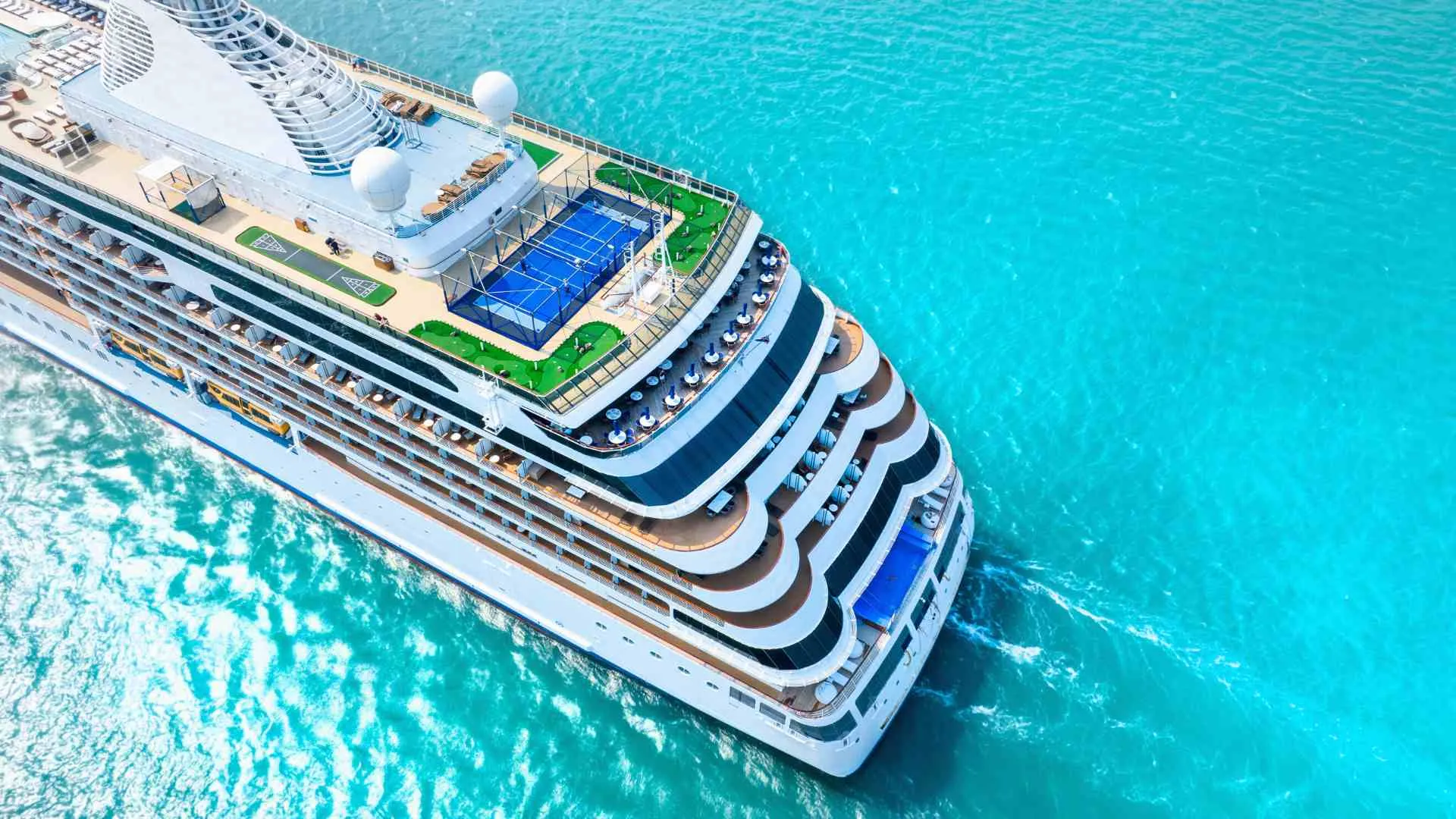
- Digital Assistants in Cabins: Much like smart homes, cabins will have voice-activated assistants to control lighting, temperature, and entertainment.
- Interactive Floor Plans: Augmented Reality (AR) could guide passengers around the ship, offering real-time updates and directions via smart devices or AR glasses.
Adaptable Spaces
Flexibility will be key.
- Multi-Use Venues: Spaces that transform from a quiet daytime lounge to a lively evening club or from a dining area to a theater.
- Modular Cabins: Think cabins that can expand or reduce in size based on demand, or even connect to adjacent rooms for larger family accommodations.
Enhanced Outdoor Experiences
Blurring the lines between ship and ocean.
- Panoramic Views: Expect even more venues, including cabins, to offer expansive sea views with floor-to-ceiling windows.
- Open-Air Venues: From theaters to restaurants, the emphasis will be on offering experiences that merge the indoors with the outdoors.

Health and Wellness Focus
In a post-pandemic world, health is paramount.
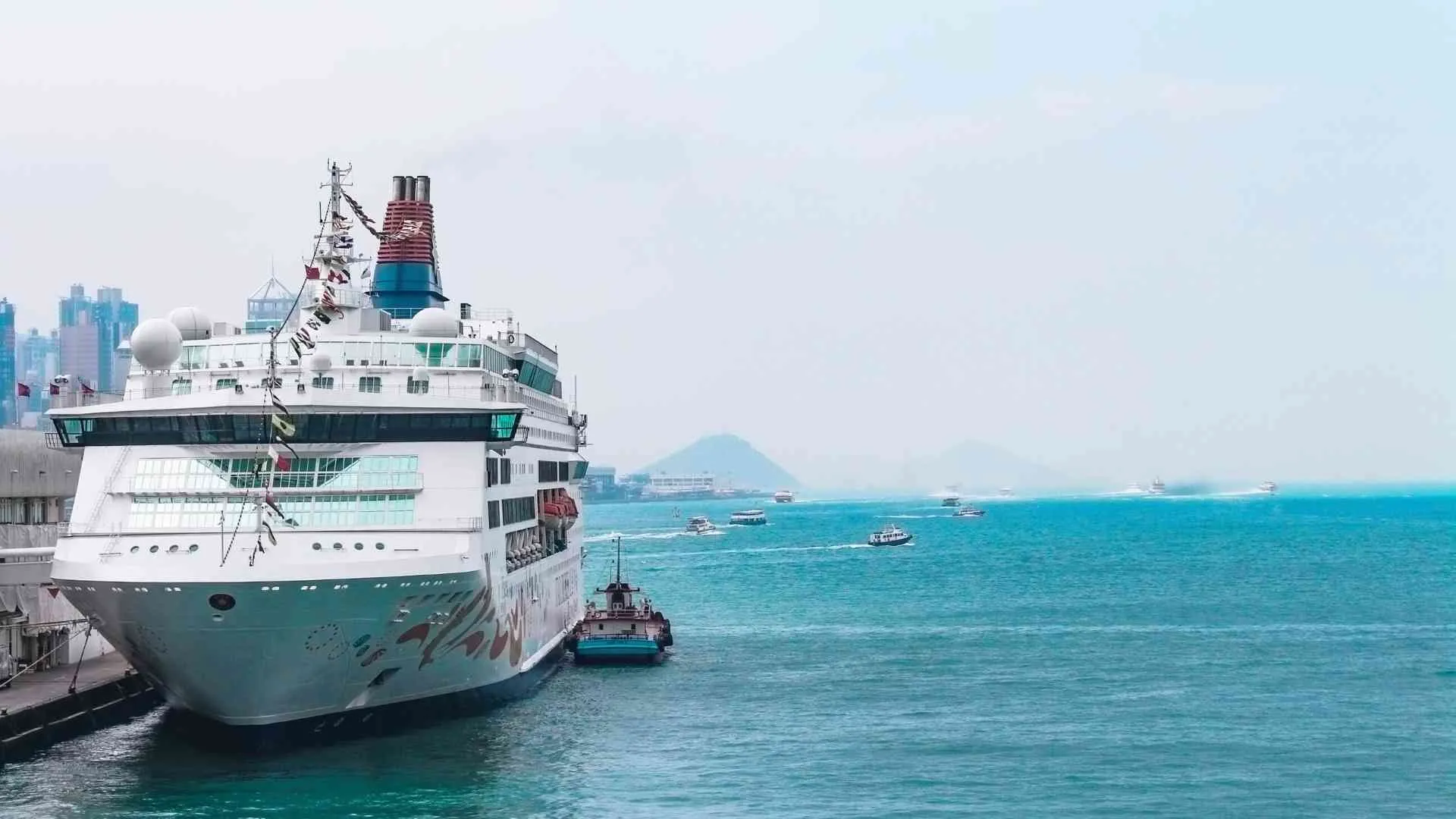
- Advanced Air Filtration Systems: Technologies that not only regulate temperature but also ensure the purity of the air onboard.
- Spacious Spa and Fitness Areas: With an increasing demand for wellness, ships will dedicate more space to fitness centers, meditation zones, and holistic therapy rooms.
Personalized Experiences
One size won't fit all.
- Customized Cruising: Using data analytics, ships might offer personalized activity and dining suggestions based on passenger preferences.
- Private Enclaves: For those seeking exclusivity, expect more ships to feature private retreat areas, exclusive lounges, and even dedicated service staff.
Inclusive Design
Making cruising accessible for all.
- Barrier-Free Design: Enhanced facilities for passengers with disabilities, ensuring every part of the ship is accessible.
- Cultural Sensitivity: As cruising attracts a global audience, design elements that reflect diverse cultures, cuisines, and entertainment will become the norm.


Themed and Niche Cruising
Targeted experiences for varied interests.
- Specialized Ships: Think ships dedicated to themes – from sci-fi and fantasy to culinary cruises or music genres.
- Educational Areas: For those seeking enrichment, dedicated spaces for lectures, workshops, and classes on various subjects.
As we sail into the future, the essence of cruising – exploring the world in luxury and comfort – remains unchanged. However, how we experience this journey will be molded by technological advances, environmental responsibilities, and evolving passenger needs.
The cruise ships of tomorrow promise not just a journey across oceans, but also through a marvel of human innovation and design.


Stepping onto a cruise ship is akin to entering a world of endless possibilities, where every corner unveils a new experience and every deck promises a fresh horizon.
From understanding the foundational layouts of these ships to the zones that cater to our every need, it's clear that a cruise ship's design is both an art and a science.
For the uninitiated, a ship's layout might initially appear as a complex maze, but with a keen eye and a bit of preparation, even first-time cruisers can master the art of navigation.
Thank you for journeying with us through the ins and outs of cruise floor plans. Fair winds and following seas to all! 🛳️🌊
FAQs for Cruise Floor Plans
Navigating the expansive decks of a cruise ship can sometimes feel like deciphering a labyrinth. For many, understanding cruise floor plans can enhance the cruising experience exponentially.
To simplify the voyage of discovery, here's a comprehensive list of frequently asked questions regarding cruise ship floor plans.
1. What is a cruise ship floor plan?A cruise ship floor plan is a detailed map or blueprint of a ship's layout, showcasing the arrangement of decks, cabins, amenities, entertainment zones, dining areas, and other facilities.
2. Why is it important to understand a cruise ship's floor plan?Knowing a ship's layout helps passengers locate essential amenities, optimize cabin selection, plan their activities efficiently, and enhance their overall cruising experience.
3. Where can I find the cruise floor plans before boarding?Most cruise lines provide digital versions of their ship’s floor plans on their official websites. They can also be found in cruise brochures, mobile apps, and often in online forums or review sites dedicated to cruising.
4. Are all cruise floor plans similar?While many ships share common features, each cruise ship can have a unique floor plan based on its size, cruise line brand, target audience, and design philosophy.
5. How are cabins categorized on the floor plan?Cabins (or staterooms) are usually categorized by type (inside, oceanview, balcony, suite) and further by their location, size, and amenities offered.
6. Do floor plans indicate areas that might be noisier than others?While they might not explicitly indicate "noisy" zones, studying the layout can give clues. For instance, cabins near entertainment venues, pool decks, or service areas might experience more noise.
7. Can I change my cabin if I don't like its location after studying the floor plan?Depending on availability and cruise line policies, you might be able to request a cabin change. It's always best to study the floor plan before finalizing your booking.
8. Do floor plans showcase muster stations?Yes, safety is paramount on cruises. Floor plans will indicate muster stations, which are designated safety points where passengers gather during emergency drills or actual emergencies.
9. Are there interactive floor plans on modern ships?Many contemporary ships feature interactive screens throughout the vessel, providing real-time maps, directions, and details about onboard amenities.
10. How do floor plans cater to passengers with special needs?Modern cruise ship designs prioritize accessibility. Floor plans will often highlight cabins designed for passengers with disabilities, as well as indicate accessible routes and amenities.
11. Will the floor plan show restricted or crew-only areas?While the floor plan will outline the entire ship's structure, areas restricted to guests (like crew quarters, operational areas) will typically be marked clearly or not detailed for guest use.
12. Are there apps that can help me navigate using the floor plan?Absolutely! Many cruise lines have dedicated mobile apps that include interactive floor plans, allowing passengers to find routes, check schedules, and bookmark places of interest.
13. With ships being refurbished, do floor plans change?Yes, when ships undergo significant refurbishments or "dry docks," their layouts might change. New amenities might be added, or existing areas might be redesigned. Cruise lines typically update their floor plans post-refurbishment.
14. Can I get a printed copy of the floor plan onboard?Most cruise ships provide guests with printed ship maps or directories, often found in your stateroom upon arrival. Additionally, guest services can usually provide a printed copy upon request.
15. How do future cruise ship designs impact floor plans?With advancements in technology and evolving passenger needs, future cruise ship designs will prioritize sustainability, adaptability, and enhanced experiences, leading to evolving and innovative floor plans.
16. Are there designated quiet zones or adult-only areas marked on the floor plan?Yes, many cruise ships designate certain areas as quiet zones or adult-only retreats. These will typically be marked on the floor plan, offering passengers places of tranquility away from the bustle.
17. How do I identify dining options on the floor plan?Dining venues, from main dining rooms to specialty restaurants and cafes, are typically marked with distinctive icons or labels on the floor plan.
18. Can I determine which side of the ship will have port views using the floor plan?While the floor plan will indicate the ship's left (port) and right (starboard) sides, the side facing the port during docking can vary based on the specific port and docking conditions on the day.
19. Are children's clubs and activity centers highlighted?Absolutely. Family-friendly cruise ships will clearly mark children’s clubs, teen lounges, and other age-specific activity centers on their floor plans.
20. Can I find out about onboard shopping using the floor plan?Yes, shopping areas, from boutiques to duty-free shops, will be clearly labeled on the floor plan, allowing guests to plan their shopping sprees.
21. How do I identify areas with Wi-Fi connectivity?While most modern ships offer ship-wide Wi-Fi, certain hotspots or internet cafes will be distinctly marked on the floor plan.
22. Are entertainment venues like theaters and clubs easy to spot on the floor plan?Definitely. Major entertainment venues are prominent features on cruise ships and will be clearly labeled and easily identifiable on the floor plan.
23. Do floor plans show deck levels clearly?Yes, floor plans are usually segmented by deck levels, providing a clear overview of what amenities and facilities are available.

Ellie is the founder of Ellie's Travel Tips, where she shares practical cruise tips, port guides, and step-by-step itineraries to help you plan smarter trips for less. Her checklists and packing guides turn travel daydreams into doable plans.