
September beckons with a promise of serenity on the seas. As the summer rush ebbs, the cruise world reveals quieter decks, enchanting destinations, and deals that are hard to resist.
Our comprehensive guide is tailored to help you navigate the best of what all-inclusive cruises in September have to offer. Dive in and let the planning begin!

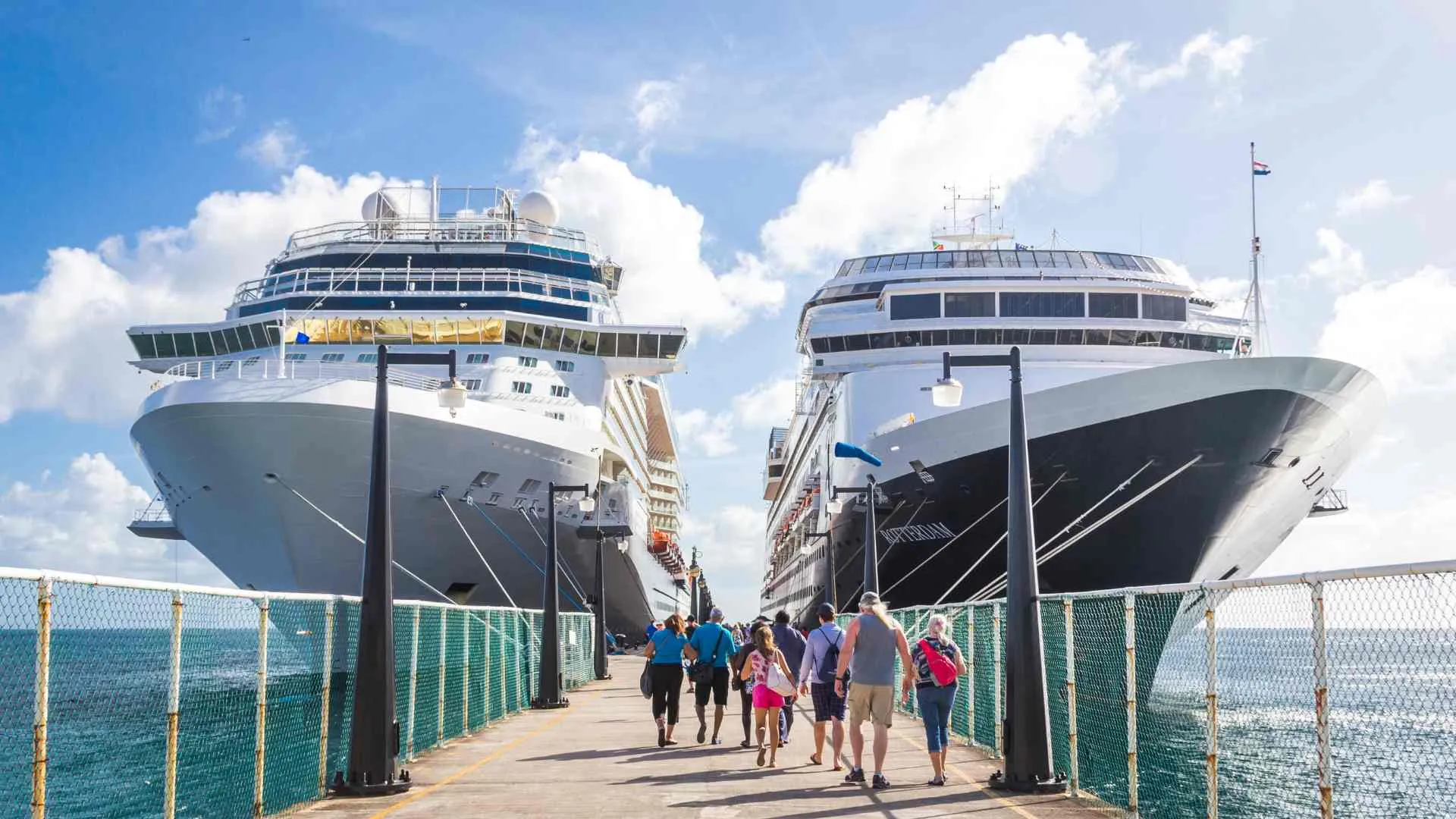
Why Choose September for Cruising?
September, often overlooked by the masses, emerges as a hidden gem in the cruise calendar.
So, why should you consider cruises in September as your ideal vacation choice? Let's set sail into the compelling reasons.
Less Crowded
One of the primary benefits of cruises in September is the relative tranquility.
As families have wrapped up their summer vacations and children are back in school, cruise ships often witness fewer passengers. This means more space for you by the pool, shorter lines at the buffet, and an overall more intimate experience.

Affordability
Cruises in September frequently offer some of the best deals. With the peak summer rush over, cruise lines tend to lower their prices to entice travelers.
Not only do you benefit from promotional fares, but you might also find deals on shore excursions, on-board amenities, and cabin upgrades.
Mild and Pleasant Weather
The weather during September can be delightful in many cruise destinations. While it's the onset of autumn in many parts of the world, bringing with it a fresh and mild climate, other regions still bask in the warmth of late summer.
This blend offers a diverse range of experiences, whether you're hoping to catch the last summer rays or welcome the crispness of fall.


Potential Weather Caveats
However, it's worth noting that cruises in September might also coincide with certain regions' hurricane or rainy seasons.
While cruise lines are adept at navigating these challenges, it's essential to be informed and prepared. Later in this guide, we'll delve deeper into weather considerations for specific destinations.
As you embark on the journey of considering cruises in September, keep these advantages in mind. The blend of affordability, pleasant weather, and fewer crowds makes September a month ripe for cruising adventures.

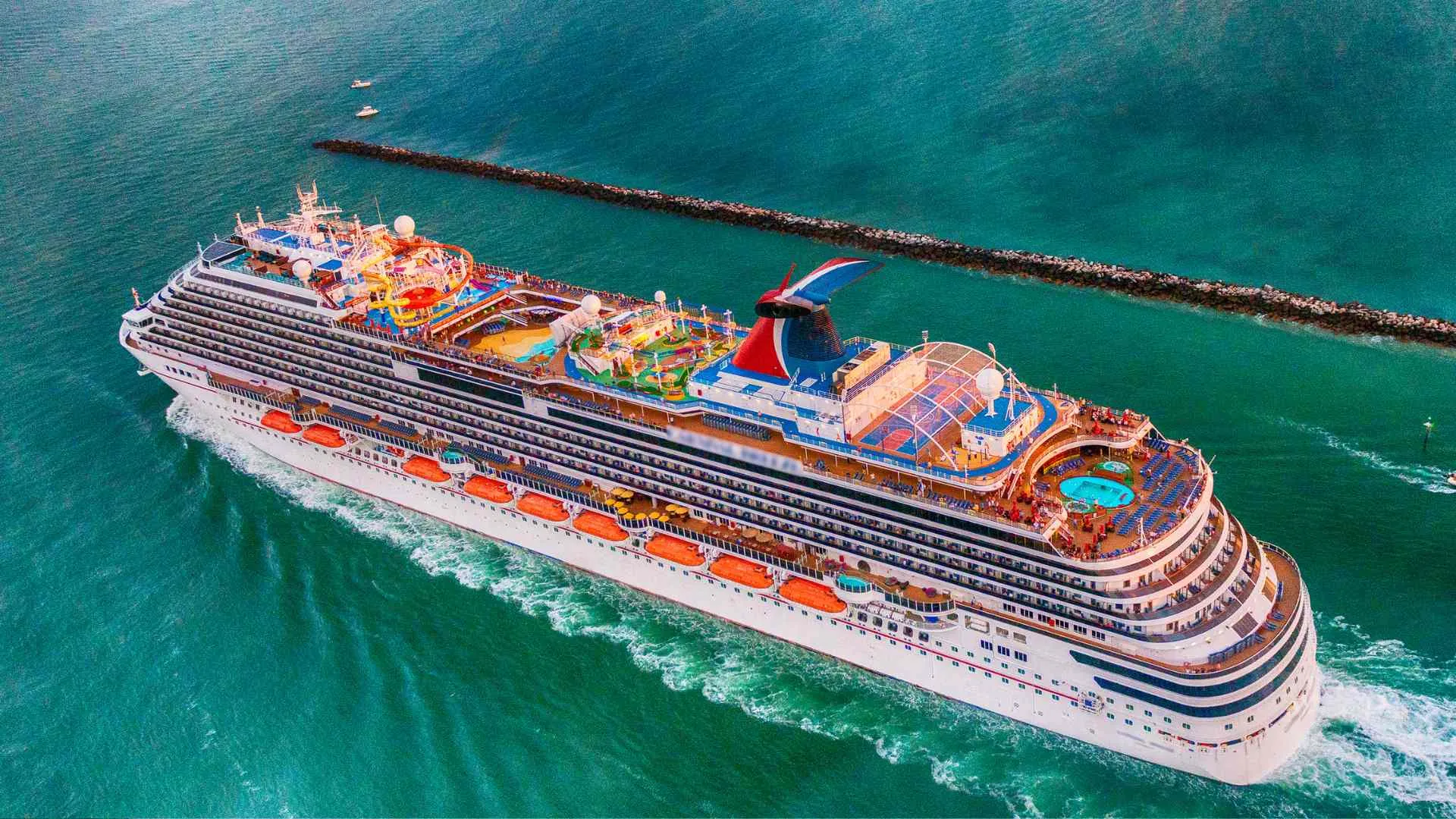
The Climate Factor: What to Expect
When considering cruises in September, understanding the climate of your chosen destination is crucial.
After all, the weather plays a significant role in shaping your cruise experience, from the activities you'll engage in to the attire you'll pack. Let's voyage through the climates of popular cruising regions in September.
Caribbean
Cruises in September to the Caribbean offer warm tropical climates with temperatures hovering between 75°F and 90°F.
Hurricane Season Considerations
However, it's essential to know that September is deep within the Caribbean's hurricane season.
While cruise ships are equipped with advanced meteorological tools and can often reroute to ensure passenger safety, it's a good idea to be prepared for potential itinerary changes.

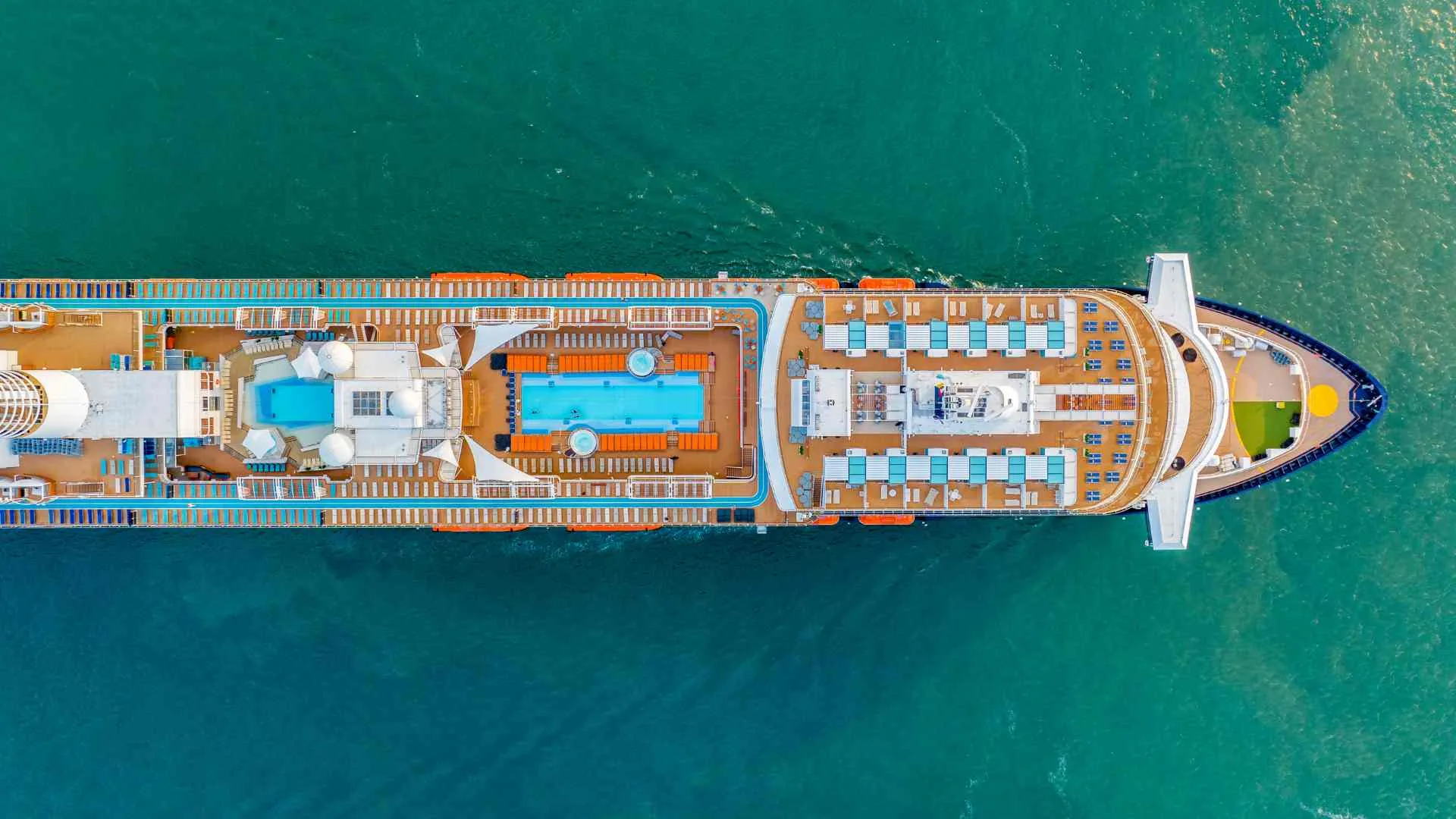
Mediterranean
The Mediterranean, with its azure waters, is a favorite for cruises in September. Expect temperatures between 70°F and 85°F.
Whether you're exploring the Greek Isles or the Italian coast, the weather is generally warm, allowing for beach outings and outdoor explorations.
Alaska
If you're venturing north to the icy wonders of Alaska, cruises in September can be a bit cooler with temperatures ranging from 40°F to 60°F. This month marks the tail end of the Alaskan cruise season.
While the days start getting shorter, the crisp air and changing foliage create a magical backdrop.

Baltic & Northern Europe
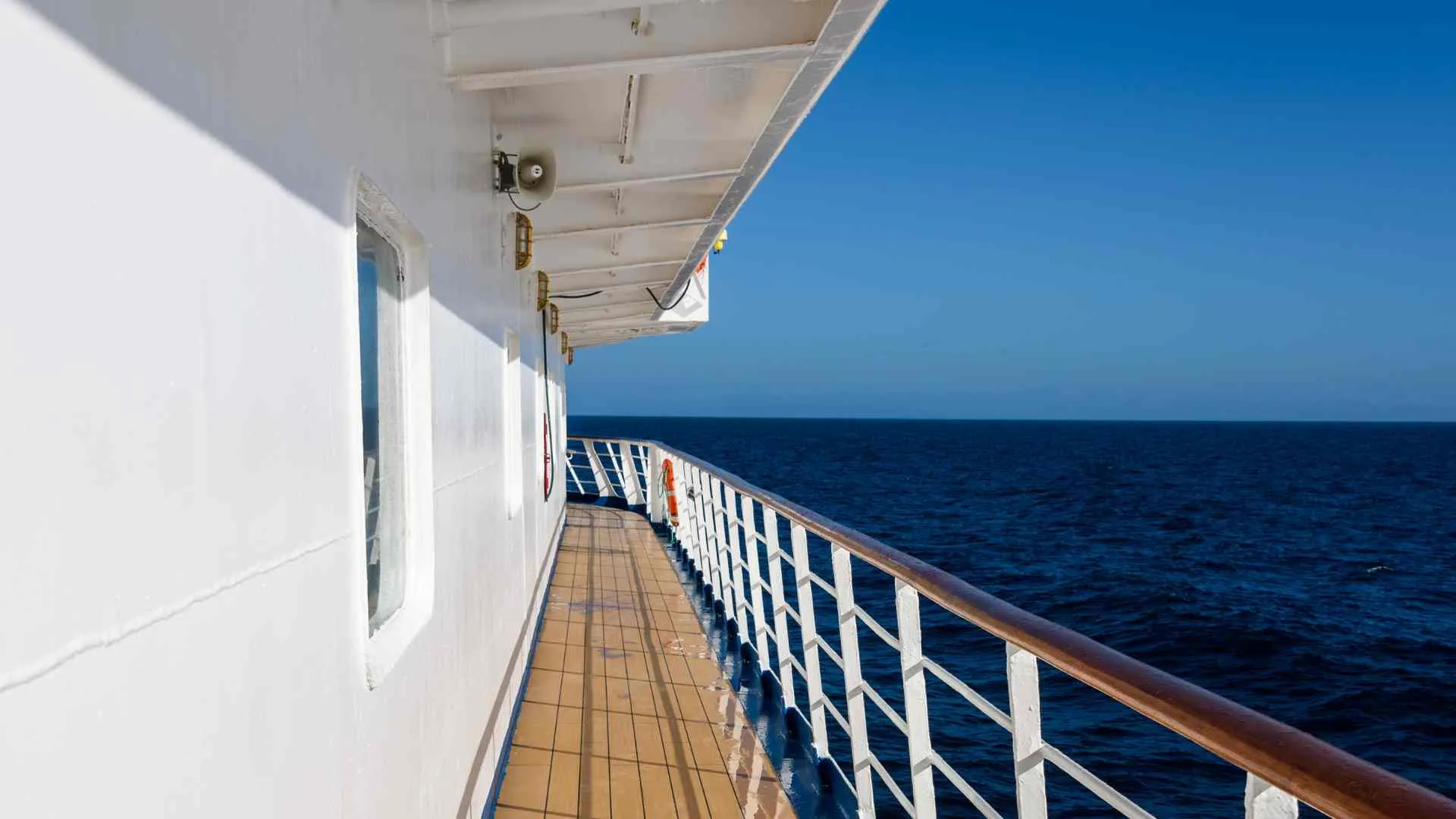
Cruising in the Baltic and Northern European regions in September means welcoming the onset of autumn.
Temperatures can vary from 50°F to 65°F. While it's cooler, the landscapes draped in autumn hues, from amber to gold, make it a visual treat.
Asia
Asia, with its vastness, presents varied climates. Cruises in September, especially in regions like Japan, witness the vibrant autumn foliage.
However, Southeast Asia may experience monsoon rains. Always check specific countries' forecasts, as the climate can differ significantly.

South Pacific and Australia
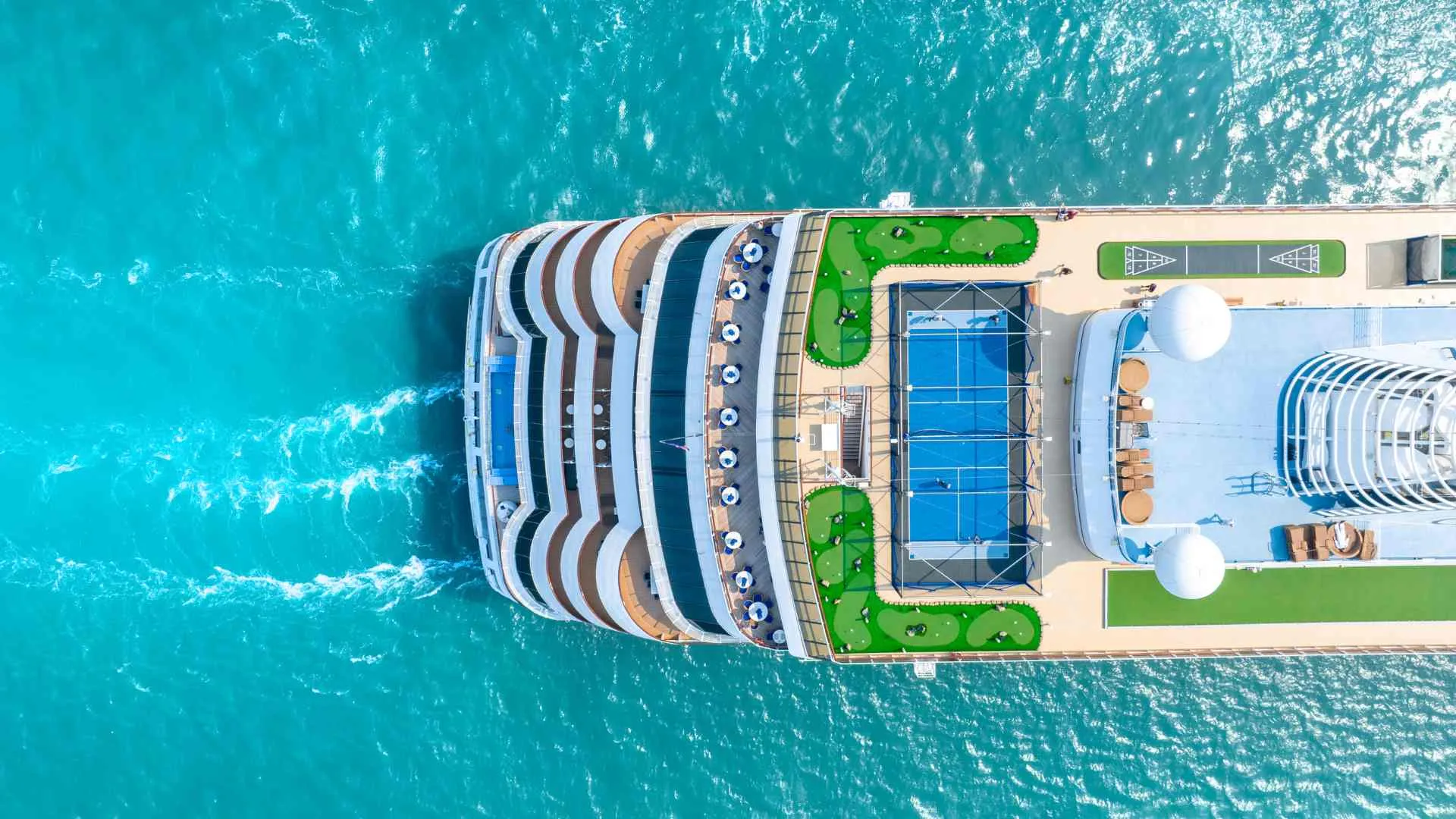
September is springtime in the Southern Hemisphere, making it a lovely time for cruises in the South Pacific and Australia.
Temperatures are comfortable, ranging from 60°F to 75°F, and the blooming flora adds charm to the scenic beauty.
Packing Tips for Different Weather Scenarios
- Tropical Destinations: Lightweight clothing, swimwear, sun hats, sunscreen, and rain ponchos.
- Cooler Climates: Layered clothing, light jackets, scarves, and comfortable walking shoes.
- Rainy Regions: Waterproof jackets, umbrellas, and moisture-wicking attire.
Being aware of the climate nuances for cruises in September ensures you're not only packed right but also ready to embrace the weather's highs and lows with enthusiasm.
Whatever the climate, each region offers its unique allure, making September cruising a delightful experience.


Best Cruise Destinations for September
September's allure isn't just about escaping the crowds or savoring reduced rates. It's also about the unique experiences that specific destinations offer this month.
If you're mulling over where to take your cruises in September, here are some top contenders to consider.
Caribbean Cruises
The Caribbean, with its turquoise waters and white-sand beaches, is undeniably enchanting.
Ports of Interest and Highlights:
- St. Maarten: Dive into the Dutch and French influences on this unique island.
- Barbados: Explore Harrison's Cave or relax on pristine beaches like Crane Beach.
- Jamaica: Venture to the Dunn's River Falls or savor the vibes at Seven Mile Beach.
Hurricane Season Considerations:
While the Caribbean is breathtaking in September, remember it's hurricane season. Opt for travel insurance and stay informed about possible route changes.


Mediterranean Cruises
September in the Mediterranean offers a blend of culture, history, and beach relaxation.
East vs. West Mediterranean Routes:
- East Mediterranean: Discover Greece's Santorini and Mykonos, explore Croatia's Dubrovnik, and delve into Turkey's Istanbul.
- West Mediterranean: Relish the beauty of Spain's Barcelona, Italy's Rome and Florence, and France's Nice.
Highlighted Ports and Excursions:
- Athens, Greece: Wander the ancient ruins of the Acropolis.
- Rome, Italy: Marvel at the Colosseum and toss a coin into the Trevi Fountain.

Alaska Cruises
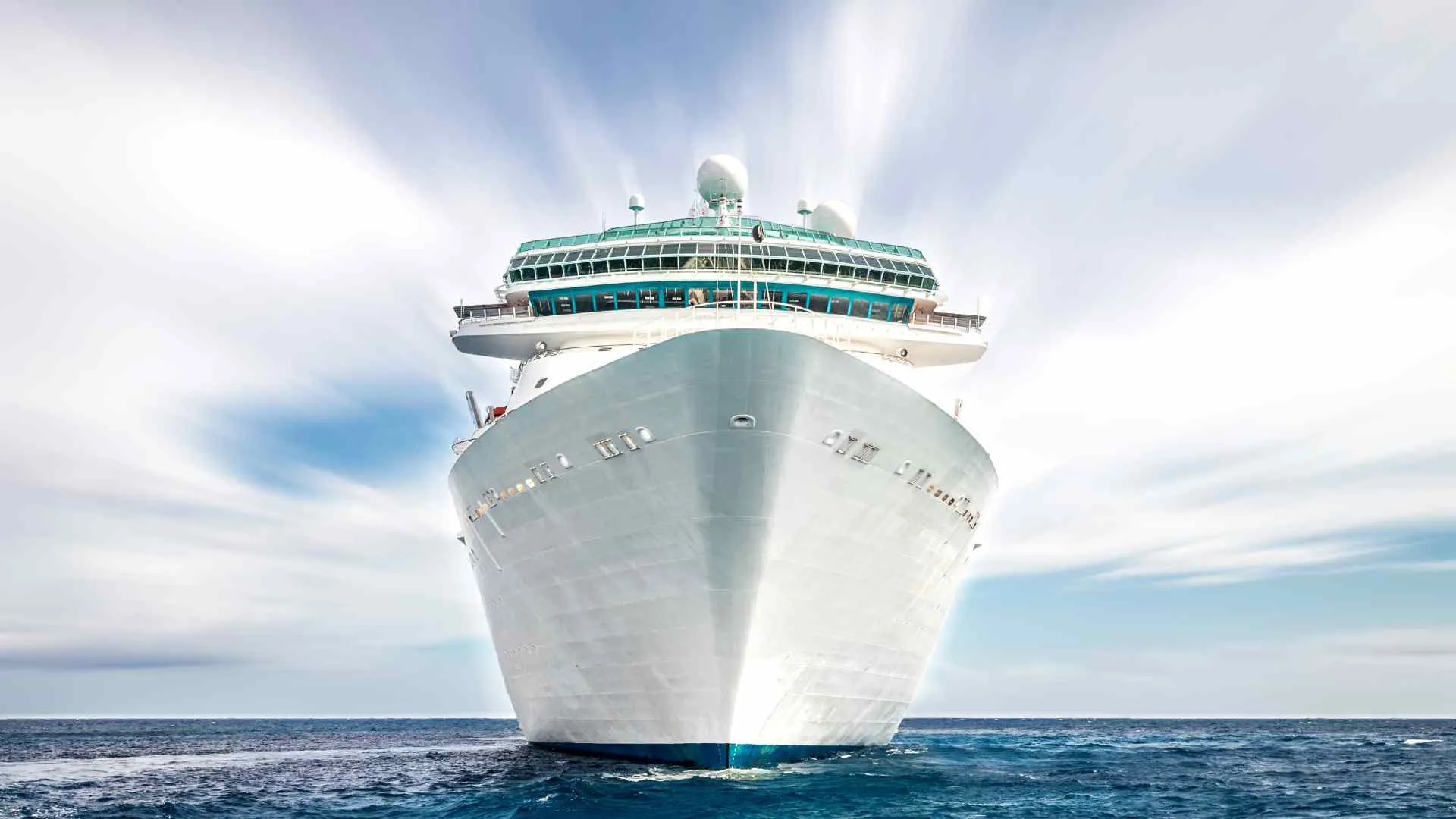
September presents Alaska in a unique light, with its landscapes transitioning from summer to fall.
What Makes September Unique for Alaskan Cruises:
- Wildlife Sightings: Spotting bears prepping for hibernation or whales on their migration routes.
- Glacier Experiences: Marvel at the icy formations, especially in places like Glacier Bay National Park.
Asia Cruises
Asia, with its rich tapestry of cultures, offers diverse experiences in September.
Exploring Japan, China, and Southeast Asia:
- Japan: Witness the early autumn colors, especially in places like Kyoto.
- China: Explore the bustling metropolis of Shanghai or the historical richness of Beijing.
- Southeast Asia: Visit Thailand's Phuket or Malaysia's Penang, but be prepared for sporadic rain showers.
Festivals and Events in September:
- Mid-Autumn Festival: Widely celebrated in China and Vietnam, it's a time for mooncakes and lanterns.


South Pacific and Australia
As the Southern Hemisphere welcomes spring, cruises in September here are all about rejuvenation.
Spring Season Attractions:
- New Zealand: Explore the Hobbiton movie set or the geothermal wonders of Rotorua.
- Australia: Dive into the Great Barrier Reef or stroll along Sydney's iconic Bondi Beach.
Island Hopping: What to Expect
- Fiji: Immerse in crystal-clear waters and vibrant coral reefs.
- Tahiti: Revel in the tranquility of overwater bungalows and idyllic beaches.
With so many tantalizing destinations to choose from, cruises in September promise adventures that cater to every traveler's whim.
Whether you're after historical excursions, beach relaxation, or nature immersion, September has a cruise destination waiting for you.

September Cruise Deals and Promotions
September, with its transitional charm, isn't just a month of serene seas and captivating destinations. It's also a goldmine for those seeking stellar cruise deals.
As you contemplate cruises in September, understanding where to find the best promotions and what to expect can be a game-changer for your travel budget.
Tips on Finding the Best Cruise Deals for September
- Early Bird Bookings: While last-minute deals can be tempting, booking your cruise several months in advance often guarantees attractive rates and better cabin choices.
- Utilize Cruise Deal Websites: Platforms like Cruise Critic, Vacations To Go, and Cruise Direct regularly update deals and promotional offers.
- Travel Agent Insights: Experienced travel agents have insider knowledge and might be privy to exclusive promotions not available to the general public.
- Cruise Line Loyalty Programs: If you've cruised with a particular line before, joining their loyalty program can offer discounts, onboard credit, or even complimentary upgrades.
- Off-Peak Travel: Remember, September falls just outside of the peak summer months. This off-peak period inherently brings with it promotional incentives.


Booking in Advance vs. Last-Minute Cruises: Pros and Cons
- Booking in Advance:
- Pros: Better cabin selection, peace of mind, and sometimes lower prices.
- Cons: Requires early commitment, and if prices drop closer to the sailing date, you might miss out.
- Last-Minute Cruises:
- Pros: Can offer deep discounts and are ideal for flexible travelers.
- Cons: Limited cabin choices, might not cater to specific preferences, and can be risky if ships fill up.
Highlighted Cruise Lines and Their Promotions
While deals can vary based on various factors, here's a glimpse of what some popular cruise lines might offer during September:
- Royal Caribbean: Often promotes "BOGO" deals—where the second guest sails for a significantly reduced rate. Look out for onboard credit offers too.
- Carnival Cruise Line: "Early Saver" rates can be a boon for those booking in advance. Additionally, they sometimes offer reduced deposits and room upgrades.
- Norwegian Cruise Line: "Free at Sea" promotions are quite popular, giving guests the option to choose from perks like free specialty dining, shore excursion credits, or complimentary Wi-Fi.
- Princess Cruises: "Sip and Sail" might be available, offering free beverage packages with bookings. Plus, past guests might enjoy exclusive discounts.
- MSC Cruises: Look out for "All-In" deals, which can bundle your cruise fare with amenities like drinks and Wi-Fi.
Embarking on cruises in September doesn't just promise captivating destinations and tranquil voyages; it also presents an opportunity to snag some of the best deals in the cruising world.
With a little research and strategic planning, you can enjoy a luxurious cruise experience without breaking the bank.


Preparing for Your September Cruise
As September approaches, and the excitement for your cruise vacation mounts, thorough preparation becomes paramount.
To ensure a smooth voyage and an enriching experience on your cruises in September, let's dive into a checklist of things to consider before you embark.
Packing Essentials Specific to September Cruises
Depending on your destination, the transitional month of September may require a diverse wardrobe and other essentials. Here's a guideline to ensure you're well-prepared:
- Layered Clothing: Even if you're headed to a warmer climate, evenings on the open sea can get chilly. Bring lightweight jackets or cardigans.
- Rain Gear: A compact umbrella or rain poncho can be a lifesaver, especially in regions prone to showers in September.
- Footwear: Apart from stylish evening wear shoes, consider packing comfortable walking shoes for excursions and sandals for beach destinations.


Important Documents and Paperwork
Nothing dampens the cruise excitement like forgotten documents. Ensure you have:
- Passport: Make sure it's valid for at least six months beyond your return date.
- Visas: Depending on your cruise destinations, you may need visas. Check in advance.
- Cruise Tickets and Boarding Passes: Usually provided by the cruise line, either mailed or available digitally.
- Travel Insurance Documents: Always a good idea to have a copy on hand.
Health and Travel Insurance Considerations
- Travel Insurance: It's especially vital for cruises in September, given the potential for weather disruptions in certain regions. Ensure it covers trip cancellations or interruptions.
- Medical Insurance: While many travel insurance policies include medical coverage, it's wise to check specifics, especially if you have pre-existing conditions.
- Vaccination and Health Precautions: Depending on your destinations, you might need specific vaccinations. Also, always pack any personal medications with their original prescription.
Potential Travel Restrictions or Guidelines to be Aware of
With the world dynamically evolving, it's essential to stay updated on any potential travel restrictions or guidelines:
- COVID-19 Protocols: Even if the pandemic's peak has passed, cruise lines might still have specific health and safety protocols. These could include testing, vaccination requirements, or onboard guidelines.
- Port Entry Restrictions: Some destinations might have specific entry requirements or restrictions based on global health concerns.
- Onboard Health and Safety Guidelines: Cruise lines often update their health and safety guidelines. Familiarize yourself with these to ensure a hassle-free journey.
Preparation is the foundation of a memorable cruise experience. As you gear up for your cruises in September, taking the time to ensure every box is ticked will pave the way for a journey where the only surprises are the delightful experiences awaiting you at each port of call.


On-Board Activities and Entertainment
Cruises are celebrated not just for the allure of the ocean and the enchantment of diverse ports, but also for the cornucopia of activities and entertainment offered on board.
Especially for cruises in September, when ships might be a tad less crowded, there's a wealth of experiences waiting for you. Let's explore what you can expect.
Overview of Typical On-Board Activities
Whether it's your first cruise or your tenth, certain activities have become staples due to their universal appeal:
- Spa Treatments: From massages to facials, the onboard spa offers a sanctuary of relaxation.
- Fitness Centers and Classes: Stay active with state-of-the-art gym facilities and classes ranging from yoga to aerobics.
- Culinary Workshops: Dive into the world of gourmet cuisine, often led by expert chefs on board.
- Art Auctions: A unique cruise experience, discover and bid on beautiful artworks.
- Pools and Hot Tubs: Bask under the sun or stars, with a cocktail in hand, as you lounge by the pool.


Special Events or Themes Common in September Cruises
Cruises in September sometimes come with seasonal themes or events that make the voyage extra special:
- Autumn Festivities: As the Northern Hemisphere ushers in fall, expect themed events, from autumnal decorations to specialized menus.
- Wine Tasting Events: September is a grape harvest month in many regions, making it a prime time for wine-centric events on board.
- Educational Lectures: Geared towards off-peak adult travelers, some cruises in September might offer enriching talks on topics like history, culture, or astronomy.
- Film Festivals: Cozy up under the stars for outdoor movie nights featuring classics and new releases.
Tips on Making the Most of Your On-Board Experience
- Plan Ahead: While spontaneity has its charms, some activities, especially those with limited slots, might require prior booking.
- Daily Newsletters: Most cruise lines provide a daily schedule. Make it your morning read to ensure you don't miss out on any activities.
- Dress Codes: While cruises have become more relaxed in their attire guidelines, certain events or dining venues might have specific dress codes. It's always a good idea to pack a mix of casual and formal wear.
- Engage with the Crew: Your ship's crew is a treasure trove of information. Engaging with them can offer insights into lesser-known activities or events on board.
While the allure of destinations and excursions is undeniable, the heart of cruises in September often beats on board.
With a mix of relaxation, entertainment, learning, and celebration, your time on the ship promises to be as enriching as your explorations on land.
Whether you're dancing the night away, indulging in gourmet feasts, or simply gazing at the endless horizon, onboard moments are the ones that often linger in cherished memories.


Tips for Traveling with Kids and Families in September
Cruising with the family can be an enriching experience filled with bonding moments and shared adventures.
However, when considering cruises in September, which often coincides with the school year, there are unique considerations and challenges to address. Let's chart a course for a smooth and memorable family cruise during this month.
Balancing School Schedules and Cruise Vacations
September usually marks the commencement of a new academic year, and this means:
- Communicate with Schools: If you're considering taking your children out of school, it's essential to communicate with their teachers or administrators in advance.
- Educational Opportunities Onboard: Many cruise lines offer educational workshops or kids' clubs with learning activities. These can supplement schoolwork while on vacation.


Kid-Friendly Activities and Excursions
- Onboard Kids' Clubs: Most cruise lines offer age-specific kids' clubs, from toddler groups to teen hangouts, ensuring entertainment tailored for all age groups.
- Family Pools and Play Zones: Look out for family-friendly pools, waterslides, and play zones onboard.
- Shore Excursions: When booking excursions, consider family-friendly options like beach days, aquarium visits, or nature walks.
- Interactive Workshops: Some cruises in September might offer workshops like cookie decorating, magic shows, or marine life education sessions.
Family Discounts and Promotions
- Kids Sail Free: Certain cruise lines offer promotions where kids sail for free or at a significantly reduced rate.
- Group Booking Discounts: If you're traveling with extended family, group discounts might be available.
- Onboard Credits: Some promotions offer onboard credits that can be utilized for family activities, dining, or shore excursions.


Essential Packing for Families
- Kids Essentials: Don't forget to pack items like baby formula, diapers, kids' medications, and favorite snacks.
- Entertainment: Portable games, coloring books, and devices loaded with movies can be lifesavers, especially during sea days.
- Clothing: Remember to pack a mix of casual wear, swimwear, and formal wear for kids, especially if your cruise has dress-up nights or themed events.
Safety First
- Cabin Safety: Ensure your cabin is child-proof, especially if you have toddlers. This might include checking balcony doors or sharp furniture edges.
- Wristbands and Identification: Have your children wear wristbands with essential contact information in case they wander off.
- Safety Drills: Familiarize your family with the ship's safety procedures, and ensure your kids know where to go and what to do in emergencies.
Embarking on cruises in September with your family might require a tad more planning and consideration, but the rewards are immense.
The blend of shared adventures, onboard entertainment tailored for all ages, and the sheer joy of family bonding in the middle of the ocean promises memories that you'll cherish for years to come.
With the right preparation, your September family cruise can be smooth sailing from start to finish.

While cruises in September offer a plethora of benefits, like any travel experience, there are potential hiccups to consider.
By being aware of these potential drawbacks and preparing for them, you can ensure that your cruise remains smooth sailing. Let's delve into some challenges and strategies to overcome them.
Weather Uncertainties
Drawback: September can be unpredictable in terms of weather for many cruise destinations. From the hurricane season in the Caribbean to occasional rains in parts of Asia, the weather can throw a wrench in your plans.
Navigation Tips:
- Stay Informed: Check weather forecasts regularly leading up to your trip and during your cruise.
- Flexibility with Itinerary: Understand that cruise lines might change itineraries to ensure passenger safety. Embrace the new routes or destinations with an open mind.
- Pack Accordingly: Ensure you have gear for unexpected weather, like rain ponchos or warmer clothing.

Fewer On-Board and Shore Excursion Options
Drawback: Given that September is an off-peak season for some destinations, there might be fewer on-board activities or shore excursions available.
Navigation Tips:
- Research in Advance: Check with your cruise line about available activities and excursions during your September cruise.
- DIY Excursions: If certain shore excursions aren't available, consider exploring ports on your own or booking with local tour operators.
- Maximize Onboard Amenities: Use this opportunity to explore lesser-used amenities on the ship, like the spa, reading rooms, or specialty restaurants.


School Schedules for Families
Drawback: For families with school-going children, September can pose challenges due to school schedules.
Navigation Tips:
- Coordinate with Schools: If you're considering a cruise, liaise with your child's school in advance for any assignments or material they might miss.
- Educational Opportunities: Turn the cruise into a learning experience. Explore cultural, historical, or natural aspects of your destinations and relate them to your child's curriculum.


Potential for Overbooked Ships
Drawback: While September is off-peak for some destinations, it might be peak season for others, leading to crowded ships.
Navigation Tips:
- Book in Advance: Secure your spot early, especially if you have specific cabin preferences or need adjoining rooms for families.
- Off-Peak Excursions: If the ship feels crowded, consider disembarking during popular shore excursion times to enjoy quieter onboard amenities.
While these drawbacks might seem daunting, it's worth remembering that challenges are inherent to any travel experience.
The beauty lies in navigating them effectively. With a bit of foresight, flexibility, and preparation, cruises in September can offer an enriching and memorable voyage, where the few challenges faced only enhance the overall adventure.
Conclusion
September's embrace offers travelers a unique cruise experience, blending the remnants of summer's warmth with the anticipatory charm of fall. While the month presents certain challenges, it equally unveils opportunities for memorable adventures, unbeatable deals, and serene seas.
Whether you're drawn to the azure waters of the Mediterranean, the cultural tapestry of Asia, or the autumnal beauty of Alaska, cruises in September promise a voyage that resonates with your wanderlust spirit.
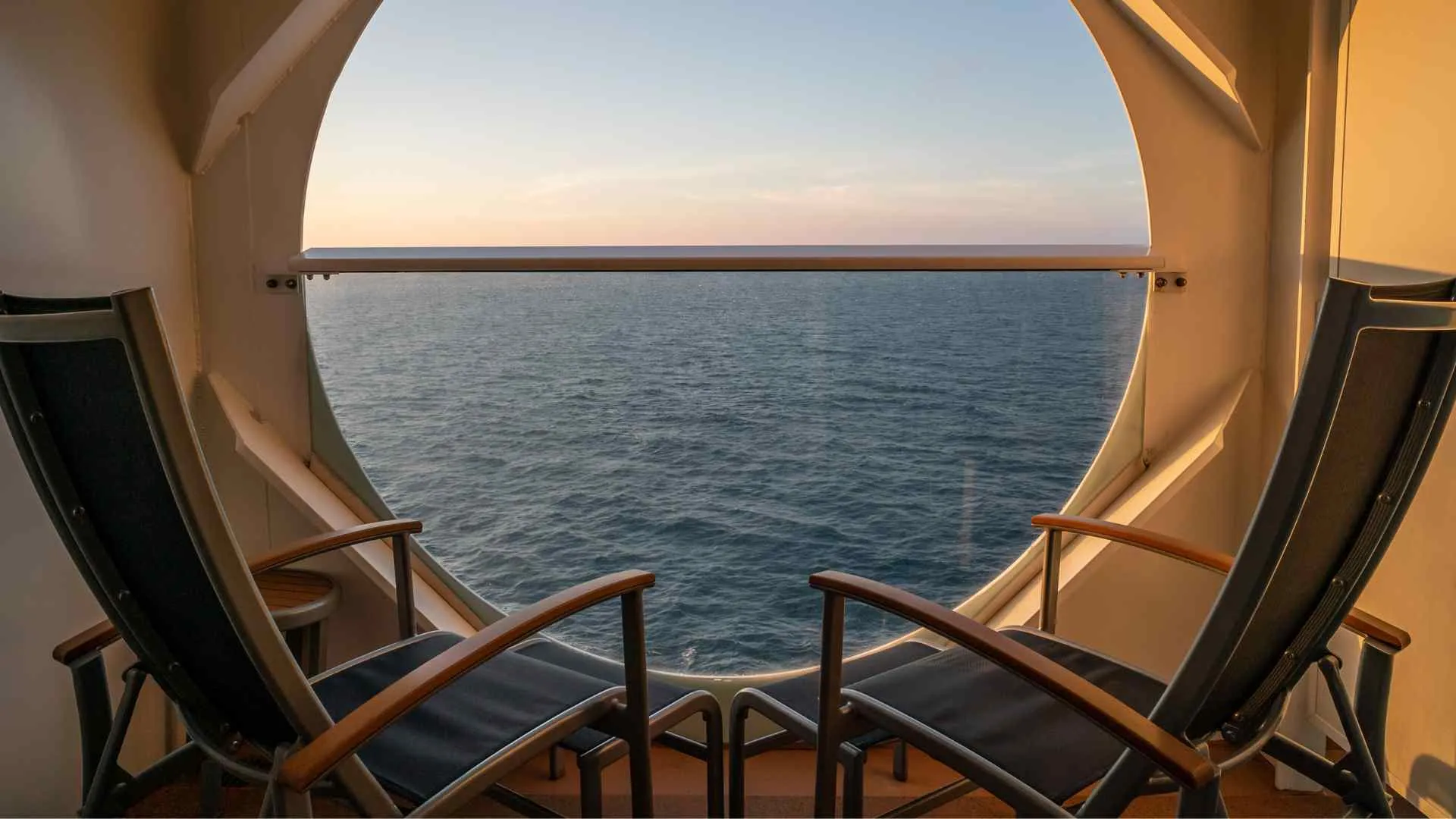
As the ship sails towards the horizon, with a golden September sunset as its backdrop, you'll find that this month, often overlooked, holds treasures waiting to be discovered. Safe travels!
FAQs on Cruises in September
Cruises in September present unique offerings, and naturally, they come with a slew of questions from curious travelers.
Let's address some of the most frequently asked questions to ensure you're well-informed for your September cruise adventure.
1. Is September a good month for cruising?
Answer: Absolutely! While the experience can vary based on the destination, September often offers milder weather, fewer crowds, and competitive prices. However, it's essential to be aware of region-specific weather patterns, like the hurricane season in the Caribbean.
2. Which cruise destinations are best in September?
Answer: The Mediterranean is a top choice, with its pleasant climate and calm seas. Alaska, nearing the end of its cruise season, offers unique autumnal beauty. Parts of Asia, like Japan, start showcasing early autumn foliage, making it a visual treat.
3. Are there any health and safety concerns for cruises in September?
Answer: Standard cruise health protocols apply. However, given the ongoing global health scenario, some cruises might still have COVID-19 precautions in place. It's always a good idea to check with your cruise line for any specific guidelines.
4. Do cruises in September offer discounts?
Answer: Yes! Since September falls outside the peak summer months for many destinations, cruise lines often provide attractive promotions and discounts to entice travelers.
5. What should I pack for a September cruise?
Answer: Packing will depend on your destination. For tropical places, think light clothing and swimwear. For cooler regions, pack layers. Given September's unpredictable weather in some areas, rain gear and versatile clothing are recommended.
6. How do I handle school schedules when cruising with kids in September?
Answer: Communication is key. Discuss your plans with your child's school in advance. Some parents align their cruise with scheduled school breaks, while others opt for educational experiences on the cruise to complement missed schoolwork.
7. Can I expect fewer onboard activities during September cruises?
Answer: Not necessarily. While some activities might be seasonal, cruise lines ensure a plethora of entertainment options year-round. However, always check in advance with your cruise line.
8. Are there any specific travel restrictions for cruises in September?
Answer: Travel restrictions can vary based on global events or health scenarios. Always check with both your cruise line and the destinations you'll be visiting for up-to-date information.
9. Are September cruises more susceptible to cancellations due to weather?
Answer: While certain regions, like the Caribbean, experience hurricane season in September, modern cruise ships are equipped with advanced meteorological tools. They can reroute to avoid storms, ensuring passenger safety. Cancellations are rare but can happen, so it's advisable to have travel insurance.
10. How early should I book my September cruise to get the best deals?
Answer: While last-minute deals can be enticing, booking several months in advance often provides a wider choice of cabins and potentially better rates. Keep an eye out for promotions starting in the spring.
11. Are there any specific cruises or cruise lines best suited for September?
Answer: Most major cruise lines operate in September. Depending on your desired experience—luxury, family-friendly, exploration-focused—you might consider lines like Royal Caribbean, Princess Cruises, Norwegian Cruise Line, or smaller expedition cruise operators.
12. Can I expect the same dining options onboard during September cruises?
Answer: Absolutely! Cruise lines pride themselves on their culinary offerings. While you can expect seasonal menu changes to reflect fresh produce, the range and quality of dining options remain consistent.
13. Are medical facilities available onboard in case of emergencies?
Answer: Yes, modern cruise ships are equipped with medical facilities and have trained medical staff onboard to handle emergencies. However, for more severe cases, medevac arrangements might be made to the nearest land-based hospital.
14. Do I need to consider specific vaccinations for cruises in September?
Answer: It depends on your destinations. Some regions may require certain vaccinations. Always check with health advisories or consult your doctor before your trip.
15. How can I stay connected with family while on a September cruise?
Answer: Most cruise ships offer Wi-Fi packages, though connectivity might vary based on the ship's location. Some cruise lines also have dedicated apps that allow onboard texting or calling. If staying connected is essential, consider purchasing a Wi-Fi package or check with your mobile provider about international roaming.

Ellie is the founder of Ellie's Travel Tips, where she shares practical cruise tips, port guides, and step-by-step itineraries to help you plan smarter trips for less. Her checklists and packing guides turn travel daydreams into doable plans.