
King’s Wharf is one of two deep-water cruise berths at Bermuda’s Royal Naval Dockyard, not a separate island town. A strong port day begins by confirming the exact berth and ship schedule, then choosing between Dockyard, Hamilton, Saint George’s, or a south-shore branch.
King’s Wharf and Heritage Wharf are distinct berths
Bermuda’s government identifies King’s Wharf and Heritage Wharf as the two deep-water berths at Royal Naval Dockyard. They are close enough to share the Dockyard destination context but remain distinct operational berths.
Check the current cruise schedule and the ship’s own communications for berth, gangway, ship time, and all-aboard time. Rehabilitation work, weather, or operational decisions can change how passengers move through the area.
An overnight itinerary does not guarantee unrestricted gangway access at every hour. Follow the ship’s instructions for reboarding and identification even when the vessel remains in port.


Dockyard combines maritime heritage, shops, restaurants, visitor services, and transport connections in the same broad area. It supports a low-complexity port day without requiring a cross-island journey.
Walking distances still matter, especially in heat or for travelers with mobility needs. Ask about the exact route from the gangway, curb surfaces, ramps, restrooms, and any assistance rather than assuming every historic site is step-free.
National Museum of Bermuda
The National Museum of Bermuda occupies the historic Keep at Dockyard and provides essential context for the island’s maritime and social history. It is an immediate-area anchor rather than a distant excursion.
Verify current opening hours, admission, closures, and accessibility before the call. The historic setting can involve slopes, steps, and outdoor exposure, so match the route to the traveler rather than promising complete access.
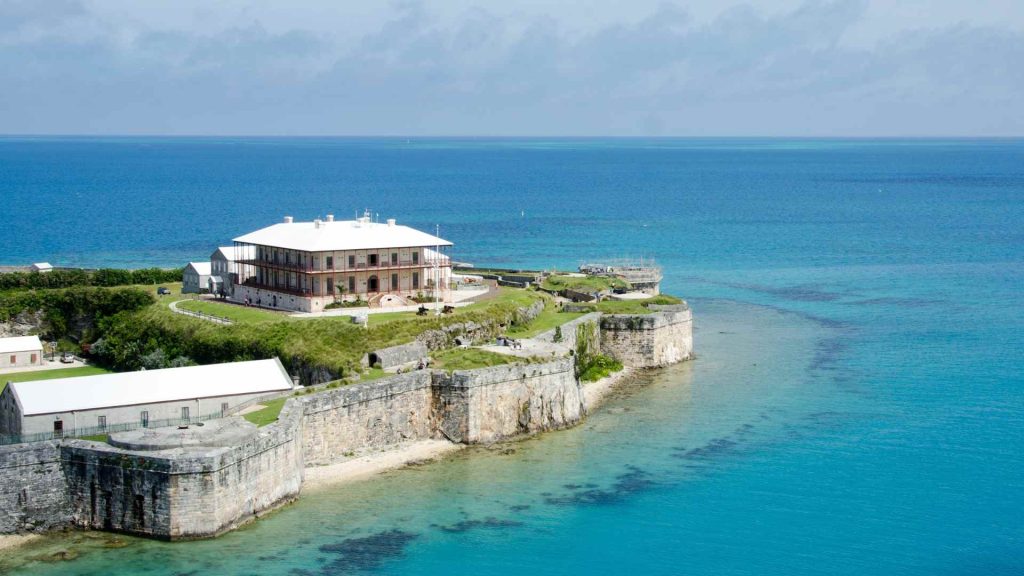

Dockyard crafts, shopping, and food
Dockyard businesses can provide an easy mix of browsing, food, and local products. Store and restaurant hours change by season, cruise traffic, and individual operations, so avoid making a single venue indispensable without confirming it.
Ask about the origin of crafts and products instead of treating every souvenir as locally made. Travelers with allergies should communicate ingredients and cross-contact needs directly.
Bermuda’s currency and payment acceptance should be checked with the business and card issuer. Keep a backup method while avoiding large amounts of unnecessary cash.
Public buses and ferries serve different routes
Bermuda’s Department of Public Transportation is the official starting point for bus information, while Marine and Ports handles ferry operations. Check each network separately because a ticket or timetable assumption should not be transferred without verification.
Ferries can be especially useful for routes between Dockyard and Hamilton when the relevant service operates. Buses reach other corridors and communities, but route, direction, stops, capacity, and holiday service all require a current check.
Build a backup route and leave a generous margin for returning to the ship. A ferry cancellation or full bus can have greater consequences for a cruise passenger than for an overnight hotel guest.
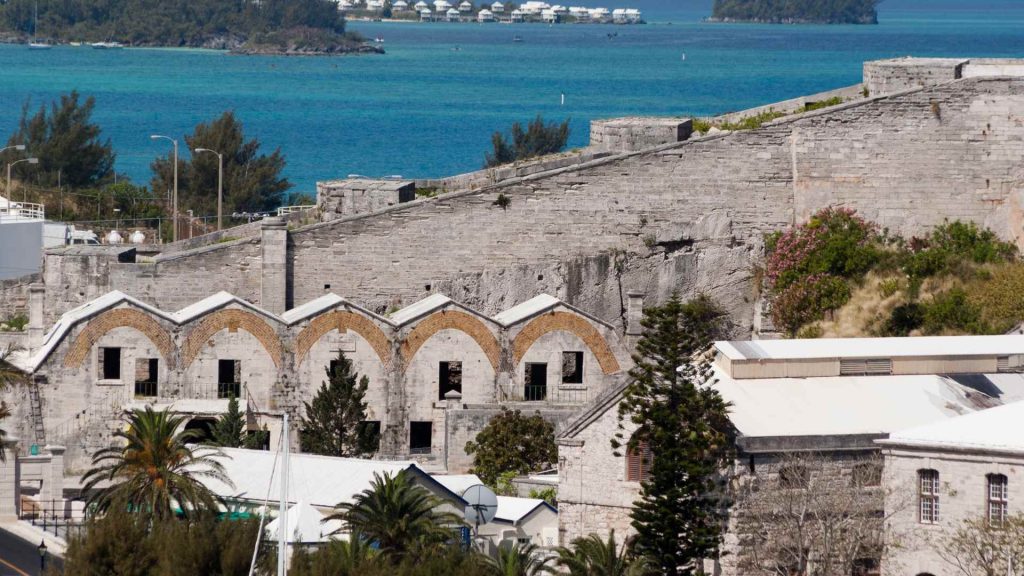

Hamilton as a separate branch
Hamilton offers the capital’s shopping, dining, offices, cultural sites, and waterfront. It is not within walking distance of King’s Wharf, so the practical plan begins with ferry or road transport and the current return schedule.
A Hamilton branch works well when travelers want an urban day, but adding several beaches or Saint George’s can create unnecessary backtracking. Choose a small number of confirmed sites and keep optional stops near the transport spine.
Saint George’s requires more commitment
Saint George’s is a historic town at the opposite end of the island and should not be described as adjacent to Dockyard. Its value lies in a focused visit, not in rushing there solely to increase an attraction count.
Verify the day’s ferry and bus options, travel sequence, opening hours, and return buffer. Direct service patterns can vary, so do not build the plan around a connection that has not been confirmed for the call date.


South-shore beaches
Bermuda’s south-shore beaches are another distinct branch from Dockyard. Select a specific access point after checking transport, facilities, surf, flags, and any current closure rather than treating the entire coast as one interchangeable beach.
Pink sand does not establish safe swimming conditions. Follow local warnings and lifeguard instructions, protect against sun, and leave enough time for the return trip when demand for public transport is high.
A beach day can pair with a nearby stop, but crossing repeatedly between Dockyard, Hamilton, and the south shore wastes time. Geographic discipline produces a calmer and more reliable port day.
Boat tours and water activities
Snorkeling, sailing, diving, and sightseeing products differ by departure point, equipment, physical requirements, and cancellation policy. Confirm whether the operator departs at Dockyard, provides transport, and makes a written return commitment that fits the ship’s deadline.
Marine life, visibility, and calm water are never guaranteed. Follow current conditions and operator instructions, and avoid entering the water when local authorities or qualified staff advise against it.


Arriving by air is a different trip
Air travelers arrive at the airport, not King’s Wharf, and need an island transport and lodging plan. They should verify entry requirements, accommodation location, and airport transfer without copying cruise-passenger procedures.
An overnight land visitor has more schedule flexibility than a same-day cruise caller. That freedom can support multiple island regions, but it does not eliminate the need to verify seasonal transport and venue hours.
Private boats and yachts follow different procedures
Private-vessel arrival involves clearance, marina or anchorage, and maritime requirements that do not apply to passengers on a scheduled cruise. Use current Bermuda government and port instructions rather than treating King’s Wharf as a general arrival dock.
Weather, berth availability, customs, and immigration can affect the process. A cruise article cannot replace a skipper’s obligation to obtain current navigation and entry information.


Mobility and accessibility planning
Request details for the gangway, terminal path, historic surfaces, ferry boarding, bus access, taxi capacity, beach access, and attraction interiors. Accessibility can differ across each segment and may change with tide or berth operations.
Travelers using mobility equipment should contact both the cruise line and transport or attraction provider. A generic label such as accessible is not enough to establish dimensions, lifting assistance, storage, or a step-free route.
Family planning
Families can use Dockyard’s compact attractions to reduce transport complexity, but child suitability depends on age, supervision, heat, water conditions, and each venue’s rules. Confirm flotation equipment and minimum ages directly for marine activities.
A slower museum, food, and waterfront plan may be more successful than a cross-island checklist. Keep snacks, water, sun protection, and a flexible indoor option available.


Weather and seasonal context
Historical climate can help with packing, but it is not a forecast. Check the current outlook near the call and follow ship, port, and local instructions when wind, rain, heat, or marine conditions affect operations.
Do not promise a particular event, bloom, wildlife sighting, or beach day based on month alone. Seasonal ferry or business patterns also need date-specific confirmation.
Shopping and customs
Before buying alcohol, food, plants, shells, or higher-value goods, check the destination and home-country customs rules. A product sold legally in Bermuda is not automatically permitted through every traveler’s next border.
Keep receipts and understand card conversion terms. Duty-free language does not mean an item is exempt from every declaration or allowance rule.


Three realistic port-day patterns
A Dockyard day can combine the museum, waterfront, crafts, food, and an optional short activity. It minimizes transport risk and suits a shorter call or anyone who prefers less logistical pressure.
A Hamilton day can use confirmed ferry service, focus on the capital, and return with margin. A south-shore day can choose one beach zone with an explicit outward and return route.
A longer call may support Saint George’s or a substantial marine excursion, but neither should be stacked casually with every other region. Ship instructions always outrank a generic itinerary.


What to verify before the call
Recheck berth, gangway, all-aboard time, transport schedules, attraction access, and weather-dependent reservations. Download maps and keep the ship’s port contact details available offline.
Confirm cancellation terms before paying for an independent excursion. Travel insurance coverage depends on the policy and event, so read the actual terms rather than relying on a general recommendation.
Related cruise-port guides
Compare this berth-first approach with Juneau cruise-port planning, a Sitka port day, and Ketchikan cruise logistics. In every port, the exact berth and return dependency shape what is realistic.


Bottom line
Keep ship and local time explicit
Write the all-aboard deadline in the time standard the ship uses and set a personal return target earlier than that deadline. Do not infer that a phone, tour operator, or local timetable automatically displays the same time reference.
Independent travelers should know how to contact the ship or port agent if a serious disruption occurs, but that contact is not permission to return late. Treat the published all-aboard instruction as firm.
Do not let a long call become a crowded call
Extra port hours create resilience and the option to linger, not an obligation to cross Bermuda repeatedly. Select the region that matters most, reserve only the time-sensitive elements, and keep nearby alternatives for weather or transport changes.
King’s Wharf is a berth within Royal Naval Dockyard, beside but distinct from Heritage Wharf. Confirm where the ship is, then select one coherent geographic branch.
Dockyard itself can fill a rewarding day, while Hamilton, Saint George’s, and the south shore require deliberate transport planning. A shorter honest plan is more useful than a padded list of loosely connected attractions.


Ellie is the founder of Ellie's Travel Tips, where she shares practical cruise tips, port guides, and step-by-step itineraries to help you plan smarter trips for less. Her checklists and packing guides turn travel daydreams into doable plans.