
Winter might have many nestled indoors, but for the savvy traveler, January presents a world of cruising opportunities.
Whether you're looking for cost-saving deals, fewer crowds, or unique destinations, this guide unveils the secrets to planning the perfect January cruise. Set your sails, and let's embark on this deep dive into winter voyages. Welcome aboard!


Why Choose January for a Cruise?
January, a month often associated with resolutions and new beginnings, is an enticing period to consider setting sail. But why is this month particularly special for voyagers?
Advantages of the Off-Peak Season
While December sees holiday cruisers filling ships and popular destinations teeming with tourists, cruises in January often provide a breather from the rush.
As families settle into the post-holiday routine and schools resume, cruise ships experience fewer crowds. This not only means a more relaxed experience onboard but also shorter lines and better access to attractions at ports of call.
Potential Cost Savings
It's no secret that traveling during off-peak times can offer significant savings. Cruises in January often come with attractive deals, including cabin upgrades, onboard credit, or even discounted excursions.
Cruise lines are eager to fill cabins post-holiday season, and January travelers stand to benefit from these promotions.


Unique Destinations Shine
While summer might be the prime time for certain cruise destinations, cruises in January unlock specific locations at their best.
Think Antarctica with its awe-inspiring icy landscapes and the chance to spot penguins, or the Southern Hemisphere destinations enjoying their summer glow.
Optimal Weather in Tropical Locales
For those looking to escape the cold, cruises in January to tropical destinations promise warm and balmy climates.
Places like the Caribbean or Southeast Asia offer an enticing escape from winter chill, with plenty of sun-soaked beaches to relax on.


Renew and Refresh for the New Year
Beginning the year on a cruise can set the tone for the months ahead. Whether it's seeking relaxation, adventure, or cultural experiences, cruises in January offer an opportunity to rejuvenate, make new friends, and create lasting memories.
Cruises in January come with a myriad of advantages, from cost savings to optimal weather in sought-after destinations. As you consider your travel plans for the year, setting sail in January might just be the perfect start you're looking for.

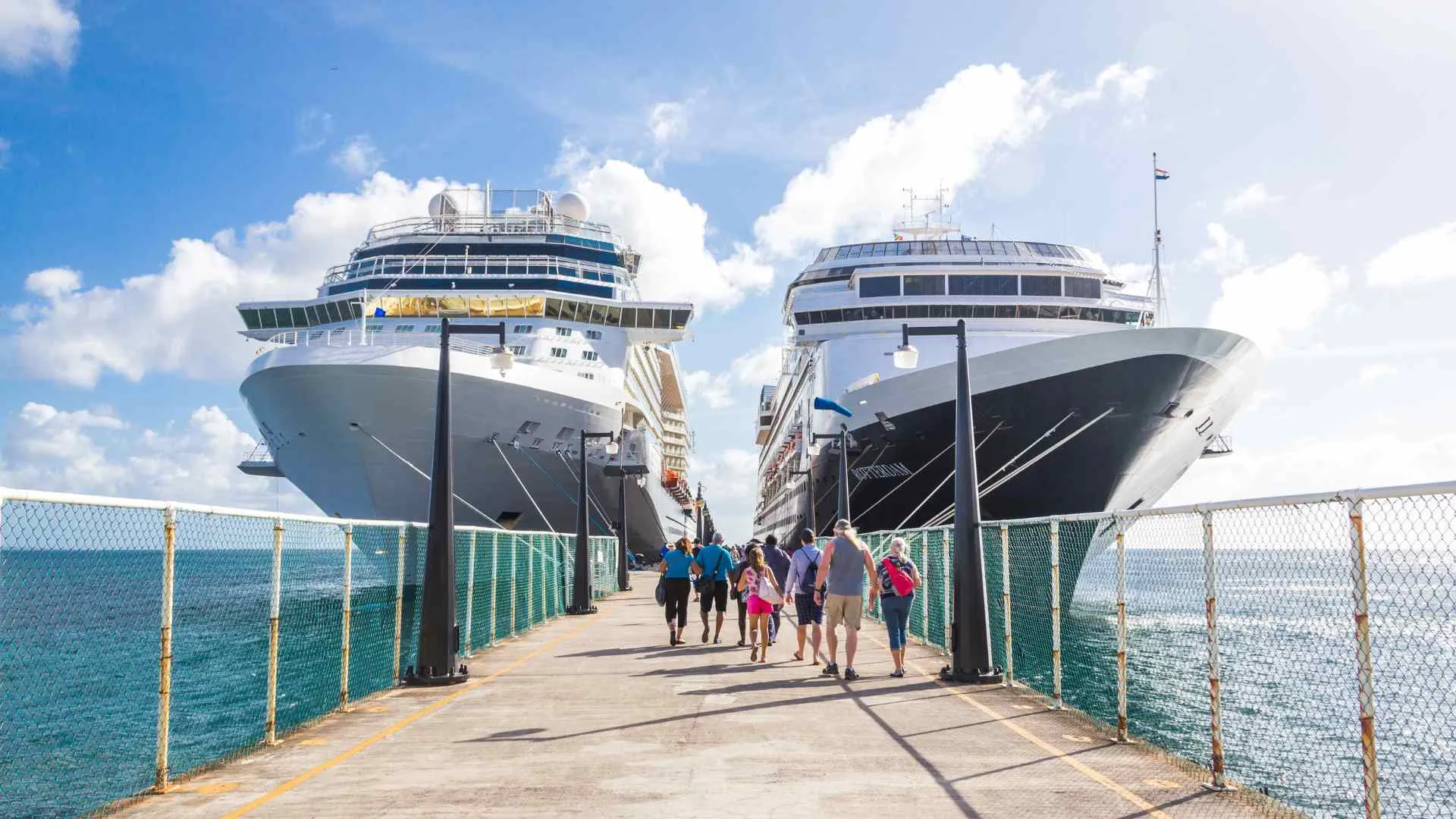
Top Destinations for January Cruises
Embarking on cruises in January is not just about escaping the routine, but also about discovering enchanting destinations that are at their prime during this month.
Whether you're chasing summer in the southern hemisphere or seeking unique icy adventures, January serves up a smorgasbord of cruising delights with some of the world's best cruise ports.
Caribbean
The Caribbean, with its azure waters and swaying palm trees, is a perennial favorite among cruisers, and January is no exception.
Weather Overview:In January, the Caribbean enjoys a dry season, with temperatures hovering around a comfortable 80°F (27°C). The occasional trade wind offers a refreshing breeze, making beach days absolutely sublime.
Top Ports and Attractions:
- St. Thomas: Explore the scenic Magens Bay or indulge in duty-free shopping in Charlotte Amalie.
- Barbados: Delve into Harrison's Cave or relax on the pristine sands of Crane Beach.
- Cozumel: Dive into the world-famous Palancar Reef or embark on a Mayan cultural tour.
Recommended Cruise Lines and Ships:Many cruise lines sail the Caribbean waters in January. Royal Caribbean's Symphony of the Seas offers state-of-the-art amenities, while Carnival's Carnival Breeze promises family fun. For a luxury experience, consider Seabourn or Silversea.

South Pacific & Australia
Venture to the land Down Under and the paradisiacal islands of the South Pacific for a distinct January cruising experience.
Weather Overview:January falls in the heart of the southern summer. Expect warm temperatures in Australia, perfect for beach outings. In the South Pacific islands, the weather is tropical and humid, with occasional rain showers.
Top Ports and Attractions:
- Sydney: Climb the iconic Sydney Harbour Bridge or catch a show at the Sydney Opera House.
- Bora Bora: Experience the ultimate overwater bungalow stay and snorkel in crystal-clear lagoons.
- Auckland: Scale the Sky Tower for panoramic views or explore the nearby Waiheke Island's vineyards.
Recommended Cruise Lines and Ships:Princess Cruises' Regal Princess offers captivating South Pacific itineraries. For those keen on exploring Australia's coast, consider P&O Australia or the upscale Viking Ocean Cruises.


South America
South America on a cruise in January is a tapestry of vibrant cultures, iconic landmarks, and diverse landscapes.
Weather Overview:January in South America varies greatly. While southern areas like Patagonia enjoy summer warmth, the Amazon region remains humid and rain-laden.
Top Ports and Attractions:
- Rio de Janeiro: Revel in the festive spirit of pre-Carnival events and admire the Christ the Redeemer statue.
- Buenos Aires: Tango your way through this cosmopolitan city and savor Argentinean steaks.
- Valparaiso: This UNESCO World Heritage city boasts colorful houses and a bohemian vibe.
Recommended Cruise Lines and Ships:For South American adventures, Holland America Line's Zuiderdam offers immersive experiences. Celebrity Cruises also provides luxurious voyages along this continent.


Southeast Asia
The allure of Southeast Asia lies in its rich tapestry of cultures, historic temples, bustling markets, and pristine beaches.
Cruises in January introduce travelers to a world where the ancient meets the modern in a seamless dance in some of the best countries to visit in Asia.
Weather Overview:January is one of the best months to visit Southeast Asia, especially because the region enjoys cooler temperatures and less rainfall, making it ideal for sightseeing and beach activities.
Top Ports and Attractions:
- Singapore: From the stunning Gardens by the Bay to the bustling streets of Chinatown, Singapore offers a mix of modernity and tradition.
- Bangkok: Visit the opulent Grand Palace, explore floating markets, or simply savor some authentic Pad Thai.
- Ho Chi Minh City (Saigon): Delve into Vietnam's history at the War Remnants Museum, explore the Cu Chi tunnels, or indulge in pho at a street-side cafe.
Recommended Cruise Lines and Ships:Regent Seven Seas provides luxury experiences through Southeast Asia's gems, while Norwegian Cruise Line's Norwegian Jewel is known for its lively atmosphere and diverse itineraries in this region.


Antarctica
For those truly seeking a unique cruise experience, Antarctica promises untouched icy landscapes, towering glaciers, and unparalleled wildlife encounters.
Weather Overview:January is peak summer in Antarctica. It's the warmest month (relatively speaking), with temperatures ranging from 20°F to 50°F (-6°C to 10°C). It's also the best time for wildlife spotting, as many species are active during this period.
Top Ports and Attractions:Given its pristine nature, there aren't "ports" in the traditional sense. Instead, expeditions will make landings at various sites.
- Deception Island: Explore this volcanic island's black sand beaches and remnants of old whaling stations.
- Lemaire Channel: Cruise through this picturesque strait, often referred to as "Kodak Gap" due to its photogenic qualities.
- Paradise Bay: Witness colonies of Gentoo penguins and enjoy the breathtaking icy vistas.
Recommended Cruise Lines and Ships:For Antarctic expeditions, consider Ponant's Le Lyrial for a touch of French luxury. Hurtigruten's MS Roald Amundsen offers state-of-the-art facilities and focuses on sustainable cruising in this fragile ecosystem.


Mediterranean
While summer is the peak season for Mediterranean cruises, January provides a unique, less touristy experience.
Weather Overview:January is winter in the Mediterranean. While you won't be sunbathing on its beaches, you can expect mild temperatures, fewer crowds, and a different charm.
Top Ports and Attractions:
- Barcelona: Marvel at Gaudí's architectural wonders like Sagrada Família and stroll down La Rambla.
- Rome (Civitavecchia): Immerse yourself in history with visits to the Colosseum, Roman Forum, and the Vatican.
- Athens: Explore ancient ruins like the Acropolis and enjoy Greek hospitality in the Plaka district.
Recommended Cruise Lines and Ships:MSC Cruises offers winter sailings in the Mediterranean with ships like MSC Fantasia providing modern amenities. For a more intimate experience, Windstar's yachts grant access to smaller ports and hidden gems.


Indian Ocean & Maldives
January brings cruisers closer to paradise with the turquoise waters and soft sands of the Indian Ocean, particularly the Maldives.
Weather Overview:January is relatively dry in the Maldives, part of the area's northeast monsoon season. Expect temperatures around 81°F (27°C), with clear skies and calm seas – perfect for underwater adventures.
Top Ports and Attractions:
- Malé: The capital city offers vibrant markets, historic mosques, and a taste of local life.
- Ari Atoll: Renowned for its diving spots, you might encounter manta rays, whale sharks, and vibrant coral reefs.
- Baa Atoll: A UNESCO Biosphere Reserve, this is the place for pristine beaches and snorkeling amid colorful marine life.
Recommended Cruise Lines and Ships:Azamara and Seabourn have itineraries that cover the Indian Ocean, with the Maldives as a highlight. For those looking for a unique luxury experience, the Four Seasons Explorer offers a yacht-style cruise around the Maldives.


Canary Islands & Madeira
These Atlantic islands, closer to Africa than Europe, promise mild temperatures and diverse landscapes, making January cruises a delightful proposition.
Weather Overview:January is one of the cooler months, with temperatures around 68°F (20°C). However, it's still pleasant enough to explore the islands' terrains and relax on their beaches.
Top Ports and Attractions:
- Tenerife: Discover the volcanic landscapes of Teide National Park or the charming colonial town of La Laguna.
- Gran Canaria: From the dunes of Maspalomas to the historic streets of Las Palmas, this island offers variety.
- Madeira (Funchal): Known for its gardens, mountainous landscapes, and the thrilling basket sled rides.
Recommended Cruise Lines and Ships:Both P&O Cruises and TUI's Marella Cruises offer January itineraries around these islands. Celebrity's Celebrity Silhouette also sails the Canary route, offering modern luxuries.


Red Sea & Middle East
A cruise in January through the Red Sea and parts of the Middle East unveils ancient wonders, modern skyscrapers, and desert landscapes.
Weather Overview:January is a great time to visit as the scorching summer heat is absent. Expect mild temperatures, making city tours and desert excursions comfortable.
Top Ports and Attractions:
- Dubai: Marvel at the Burj Khalifa, shop in vast malls or traditional souks, and experience desert safaris.
- Aqaba (for Petra): Access the ancient city of Petra, Jordan's archaeological gem, from this port.
- Sharm El Sheikh: Dive into the Red Sea's coral reefs or simply relax on the Sinai Peninsula's beaches.
Recommended Cruise Lines and Ships:MSC's MSC Lirica and Royal Caribbean's Jewel of the Seas are popular ships for January itineraries in this region. Both offer a blend of entertainment and excursions.

Weather Considerations and Packing Tips
One of the most vital aspects of planning any cruise is understanding the weather you'll be stepping into and ensuring you pack accordingly.
January, in its delightful dichotomy, can throw sun-drenched beaches or snow-draped landscapes your way. Here's a detailed guide on weather considerations for cruises in January and essential packing tips tailored for each scenario.
Tropical and Warm Climates
Destinations: Caribbean, Southeast Asia, South Pacific & Australia, Indian Ocean & Maldives
Weather Overview:January typically promises warmth, with daytime temperatures ranging from 75°F to 90°F (24°C to 32°C). Rain can occasionally make an appearance, but it's generally a good time to bask in the sun.
Packing Tips:
- Clothing: Lightweight, breathable clothing like shorts, T-shirts, and dresses. Don't forget swimwear for those beach days!
- Footwear: Flip-flops for the beach, comfortable walking sandals for excursions.
- Accessories: Wide-brimmed hats, sunglasses, and a sturdy beach bag.
- Essentials: High SPF sunscreen, insect repellent, and a reusable water bottle to stay hydrated.


Cooler Climates
Destinations: Mediterranean, Canary Islands & Madeira
Weather Overview:Mild winter conditions prevail with temperatures usually between 50°F to 70°F (10°C to 21°C). It's not exactly beach weather, but pleasant for sightseeing.
Packing Tips:
- Clothing: Layered outfits with light sweaters, jeans, and long-sleeved tops. A medium-weight jacket for evening strolls.
- Footwear: Closed-toed shoes or boots. Ensure they're comfortable for walking.
- Accessories: A scarf and possibly a light hat or beanie.
- Essentials: Moisturizer (skin can get dry in cooler weather) and a collapsible umbrella.
Polar and Extremely Cold Climates
Destinations: Antarctica
Weather Overview:It's summer in Antarctica, but "warm" here is relative. Temperatures can range from 20°F to 50°F (-6°C to 10°C), and you'll likely encounter snow and ice.
Packing Tips:
- Clothing: Thermal base layers, fleece jackets, and a heavy, waterproof outer layer. Snow pants if you plan to participate in snow activities.
- Footwear: Insulated, waterproof boots with a good grip.
- Accessories: Warm gloves, thick hats, and scarves. UV-protective sunglasses are crucial due to the bright snow.
- Essentials: High-factor sunscreen (snow reflects UV rays intensely), lip balm with SPF, and moisturizer.


Desert and Varied Climates
Destinations: Red Sea & Middle East
Weather Overview:Daytime temperatures are mild, but desert regions can see a significant drop in temperatures as night falls.
Packing Tips:
- Clothing: Light day-wear and a heavier jacket or shawl for the evenings. Long-sleeved tops and pants are respectful in culturally sensitive areas.
- Footwear: Comfortable walking shoes and possibly sandals.
- Accessories: Hats for sun protection during the day.
- Essentials: Sunscreen, lip balm, and a light scarf for sand protection if venturing into the desert.
In essence, your cruise in January, regardless of destination, demands a thoughtful packing strategy. Always check the specific cruise line's guidelines too, as some may have special dress codes for dinners or events.


January Cruise Deals and Promotions
January isn't just the start of a new year; it's also a month that's ripe with opportunities to score fantastic deals on cruises. As cruise lines strive to attract travelers after the holiday season, they roll out some of their most enticing promotions.
Let's navigate the world of cruise deals and uncover how you can get the most value out of your January voyage.
Best Time to Book a January Cruise
Early Birds:Booking several months in advance can often snag you impressive deals. Cruise lines prefer to fill up their cabins early and might offer lower rates, cabin upgrades, or additional perks to those who book ahead.
Last-Minute Deals:If you're flexible with your plans, keep an eye out for last-minute offers. These can be deeply discounted, but you might have fewer choices when it comes to cabins or itineraries.
Popular Cruise Promotions
Onboard Credits:Many cruise lines offer onboard credits as part of their promotions. This means you'll receive a specified amount to spend onboard, be it at specialty restaurants, the spa, or shore excursions.
Package Deals:Look for deals that bundle in extras, such as drink packages, Wi-Fi, or gratuities. These can add significant value to your cruise experience.
Cabin Upgrades:Sometimes, you'll find promotions offering complimentary cabin upgrades. This can mean moving from an inside cabin to an oceanview or from an oceanview to a balcony.
Kids Sail Free:Families can benefit from deals where children sail for free or at a steeply discounted rate when sharing a cabin with two paying adults.
Loyalty Programs:If you've sailed with a cruise line before, join their loyalty program. Members often get access to exclusive deals, early booking bonuses, or onboard perks.


Recommended Websites and Booking Agents
While the cruise line's official website is a starting point, several platforms can help you spot the best deals:
- Cruise Critic: An excellent resource for cruise reviews, they also feature a deals section.
- Vacations To Go: Known for its last-minute cruise bargains.
- Cruise.com: Offers deals and also provides price alerts for specific cruises.
- Travel Agents: Sometimes, traditional travel agents have exclusive promotions or can offer added benefits.
Tips for Getting the Best Value
- Be Flexible: If you can adjust your travel dates or choose a different ship or itinerary, you might find better deals.
- Consider Repositioning Cruises: These one-way cruises occur when a ship needs to move to a different region for a new season. They can offer unique itineraries at a fraction of the usual cost.
- Monitor Prices: After booking, keep an eye on your cruise fare. Some cruise lines will honor a price drop if the cost of your cabin category decreases.
- Research Port Expenses: Some destinations are more expensive than others. Factor in the cost of shore excursions, dining, and other activities when budgeting.
Snagging a deal for cruises in January can make your trip even sweeter. With a mix of research, flexibility, and timely decision-making, you can set sail without breaking the bank.


Onboard Activities and Entertainment in January
Setting sail in January means more than just exploring incredible destinations; it's also about the journey aboard the ship.
The beginning of the year brings a refreshed calendar of onboard activities and entertainment.
Whether you're keen on starting the year with personal development, relaxation, or just seeking good old-fashioned fun, January cruises have something special in store.
Special Events or Themes in January
New Year Celebrations:Even though the clock has struck midnight on December 31st, the festive spirit often lingers. Expect recaps of the previous year, resolutions-themed events, and possibly remaining festive decorations to enjoy.
Health and Wellness Initiatives:With many guests embarking on New Year resolutions, cruises in January often emphasize health and wellness. From detox menus to special fitness classes, ships cater to those looking to start the year on a healthy note.
Winter Warm-ups:For cruises sailing from colder regions, indoor events that exude warmth and coziness, such as hot cocoa nights or indoor movie marathons, might be a staple.


Best Cruise Lines for Onboard Entertainment
Royal Caribbean:Known for its fun cruises and innovative entertainment, expect Broadway-style shows, ice-skating performances, and even high-flying aqua shows on their Oasis-class ships.
Norwegian Cruise Line:NCL's "Freestyle Cruising" approach extends to its entertainment. With multiple theaters on board, guests can enjoy a range of shows, from rock concerts to comedic acts.
Princess Cruises:For those seeking diverse enrichment activities, Princess offers lectures, cooking demonstrations, and dance lessons.
Disney Cruise Line:Perfect for families, expect themed parties, fireworks at sea, and immersive shows bringing beloved characters to life.
Tips to Make the Most of Onboard Activities
- Daily Planner: Upon boarding, you'll often receive a daily planner or newsletter. This will be your guide to the ship's activities for the next day. Take a moment each evening to highlight events you don't want to miss.
- Book in Advance: For popular shows or experiences, especially on larger ships, you might need to book in advance. Check if your cruise line has an app or onboard kiosks for reservations.
- Try Something New: Cruises offer a plethora of activities, from art auctions to salsa dancing. Step out of your comfort zone and try something different!
- Meet New People: Many cruises in January host meet-and-greet events, themed club nights, or group classes. These are excellent opportunities to mingle and make new friends.
Onboard activities and entertainment play a crucial role in shaping your cruise experience.
Whether it's soaking in a spa, attending a midnight comedy show, or learning a new craft, January cruises ensure that there's never a dull moment at sea.
Dive into these experiences and create memories that last a lifetime!


Tips for Staying Healthy on a January Cruise
Cruising in January offers a myriad of experiences, but it's also essential to prioritize your health.
The combined factors of winter illnesses, a new environment, and close quarters with other passengers can make health precautions especially important. Here's how to ensure you stay fit and enjoy every moment of your January cruise.
Common Health Concerns During Winter Months
Flu and Colds:January is peak flu season in many parts of the world. With people coming from various regions, there's an increased risk of flu or cold transmission.
Sea Sickness:While not exclusive to January, some areas might have rougher seas during this month, leading to potential seasickness.
Overindulgence:With an array of dining options available, there's a temptation to overeat or consume excessive alcohol.
Tips for Avoiding Illness Onboard
- Vaccination and Medication: Before embarking, ensure you're up to date with vaccinations. Carry essential medications and consider getting a flu shot. It's also a good idea to pack a basic first-aid kit with pain relievers, antacids, and adhesive bandages.
- Hand Hygiene: Wash your hands frequently, especially before eating and after using the restroom. Many cruise ships have hand sanitizing stations at dining entrances—use them.
- Stay Hydrated: Drink plenty of water. If you're indulging in alcoholic beverages, alternate with glasses of water to stay hydrated.
- Eat Wisely: Enjoy the culinary delights but do so in moderation. Opt for a balanced mix of vegetables, proteins, and whole grains. Be cautious with uncooked foods.
- Exercise: Take advantage of the ship's fitness center, walking tracks, or swimming pools. Regular exercise can boost your immune system.
- Get Adequate Sleep: While there's plenty to do, ensure you get a good night's sleep to keep your immune system strong.
- Sea Sickness Provisions: If you're prone to seasickness, pack remedies like wristbands, over-the-counter medications, or consult your doctor for prescription options.
- Avoid Close Contact: If you notice someone coughing or showing symptoms of illness, it's wise to maintain a distance.

Onboard Medical Facilities and What to Expect
Medical Centers:Modern cruise ships are equipped with medical centers that can handle a range of issues, from minor ailments to more serious conditions. They typically have a doctor and a few nurses on call.
Cost:While it's convenient to have medical care onboard, services can be pricey. It's wise to have travel insurance that covers onboard medical care.
Pharmacy:Most cruise ships have a small pharmacy offering basic over-the-counter medications. However, it's recommended to bring your essentials as specific brands or formulations might not be available.
In essence, staying healthy on a January cruise boils down to preparation and mindful practices during your journey.
With a bit of caution and proactive measures, you can ensure your cruise remains a rejuvenating and illness-free experience.


Solo Travel, Family Cruises, and Group Bookings
Choosing a cruise involves considering not just the destination and ship, but also the kind of travel experience you're aiming for.
Whether you're journeying solo, with family, or as part of a larger group, cruises in January cater to every type of traveler.
Here's a comprehensive look at what each travel style can anticipate and how to make the most of it.
Solo Travel
Benefits:
- Independence: Freedom to set your own pace, choose your activities, and indulge in personal interests.
- Personal Growth: An opportunity to step out of your comfort zone, meet new people, and enjoy self-reflection.
- Tailored Experience: Some cruise lines offer dedicated solo cabins or solo traveler meetups to make the experience more comfortable and cost-effective.
Considerations:
- Single Supplement: Some cruise lines charge a fee for solo travelers occupying double cabins. Research ships with single cabins or lines that occasionally waive this fee.
- Engagement: Join onboard events or group excursions to mingle and make connections.
Recommended Cruise Lines:Norwegian Cruise Line offers studio cabins specifically for solo travelers. Holland America Line and Royal Caribbean often have solo traveler events to encourage networking.


Family Cruises
Benefits:
- Something for Everyone: Modern cruise ships cater to all age groups, from kids' clubs to teen lounges and adult-only areas.
- Convenience: Family-friendly amenities, dining options, and interconnected cabins make cruising with kids smoother.
- Education: Many cruise destinations offer educational value, transforming the trip into a learning experience.
Considerations:
- Safety: Familiarize your family with the ship's safety protocols. Consider walkie-talkies or onboard messaging apps to stay connected.
- Activity Planning: With a plethora of options, discuss and plan activities to ensure everyone's interests are addressed.
Recommended Cruise Lines:Disney Cruise Line is a family favorite, offering character experiences and family-friendly entertainment. Carnival Cruise Line and Royal Caribbean also boast robust family programs for cruises for kids.
Group Bookings
Benefits:
- Cost-Efficient: Booking in bulk often brings discounts or additional perks.
- Shared Experiences: Exploring destinations or attending onboard events as a group enhances the bonding experience.
- Customization: Larger groups might get the chance to customize shore excursions or onboard events.
Considerations:
- Coordination: With many people involved, ensure clear communication regarding plans and meet-up points.
- Diverse Interests: Not everyone in the group will have the same interests. Plan some group activities but also allow free time.
Recommended Cruise Lines:Celebrity Cruises and Princess Cruises offer attractive group booking benefits. For specialized group experiences, like corporate retreats, consider lines like Seabourn or Regent Seven Seas.
Whether you're embarking on a solo adventure, creating family memories, or celebrating with a group, cruises in January promise enriching experiences.
Choose the right cruise line, plan ahead, and set sail for unforgettable moments.


Preparing for Your Cruise
The thrill of an upcoming cruise is unmatched, but a smooth sailing experience requires thoughtful preparation.
From documentation to packing and pre-booking excursions, here's a roadmap to ensure you're fully geared up for your January cruise.
Necessary Documentation and Visas
Passports:Always ensure your passport is valid for at least six months beyond your return date. Some countries might deny entry if this requirement isn't met.
Visas:Depending on your nationality and the countries your cruise will dock in, you may need visas. Some cruise lines can facilitate 'group visas' for certain ports, but it's crucial to verify in advance.
Boarding Pass and Cruise Documents:Print out any necessary boarding passes, cruise tickets, or reservation confirmations. Many cruise lines also offer e-documents via their mobile apps.
Health and Travel Insurance Considerations
Travel Insurance:This is a must. Ensure it covers cruise-specific scenarios, including trip cancellations, medical emergencies onboard or at foreign ports, and emergency evacuations.
Vaccinations:Some destinations may require specific vaccinations. Consult your doctor or a travel clinic to ensure you're up-to-date.
Medications:Pack necessary medications in their original containers, preferably in your carry-on. It's also wise to bring a copy of your prescriptions.


Tips for a Smooth Embarkation Process
Arrival Time:While it's tempting to arrive early, adhere to the check-in time given by the cruise line to avoid overcrowding at the terminal.
Luggage Tags:Most cruise lines provide tags to attach to your luggage. Fill these out in advance to expedite the baggage delivery process to your stateroom.
Carry-On Bag:It might take a few hours for your luggage to reach your room. Pack a carry-on with essentials like medications, a change of clothes, swimwear (if you're planning to hit the pool immediately), and important documents.
Dress Appropriately:Sometimes, there's a gap between boarding the ship and accessing your cabin. Dress comfortably, considering the climate of your embarkation port.
Online Check-in:Many cruise lines offer online check-in facilities, allowing you to input necessary information and even upload a security photo. This can save considerable time during the embarkation process.
Pre-booking to Enhance Your Experience
Shore Excursions:Popular excursions can sell out quickly. If there's an activity you're particularly excited about, book it in advance through the cruise line or reputable third-party operators.
Onboard Activities:Some cruise lines allow you to pre-book shows, specialty dining, or spa treatments before you set sail.
Beverage and Dining Packages:If you plan to indulge in drinks or specialty dining, consider purchasing a package in advance. It often works out cheaper than paying for items individually onboard.
Special Needs and Requests
If you have dietary restrictions, mobility issues, or any other special requests, inform the cruise line well in advance. They're typically accommodating, but early notification ensures they can cater to your needs effectively.
In the exhilaration of an upcoming cruise, meticulous preparation can sometimes take a backseat.
However, with a well-laid-out plan, not only will you ensure a seamless embarkation and sailing experience, but you'll also be poised to make the most of every moment onboard and ashore.


Things to Watch Out For
January cruises can be an exciting and enjoyable way to beat the winter blues while exploring stunning destinations. However, there are some unique considerations and potential challenges that come with cruising in January.
From weather concerns to packing tips and itinerary choices, here are several things to watch out for when planning and embarking on a January cruise.
1. Weather and Climate Variability:
January brings a range of weather conditions depending on your cruise destination. While some travelers opt for warm-weather cruises to the Caribbean or Hawaii to escape the winter cold, others may choose cruises to colder regions like Alaska or the Baltic.
Be sure to research your destination's climate and pack accordingly. In warmer destinations, bring sunscreen and light clothing, while in colder climates, pack layers and cold-weather gear.
2. Packing for All Occasions:
Since January weather can be unpredictable, packing for a January cruise can be a bit more challenging than a summer one.
To prepare for varying temperatures, pack a mix of clothing options, including swimwear, warm jackets, and comfortable shoes. Also, don't forget essentials like a rain jacket, an umbrella, and gloves, just in case.
3. Potential for Rough Seas:
January is known for experiencing rough seas in certain regions due to winter storms. If you're prone to motion sickness, be sure to pack motion sickness remedies like wristbands, medications, or patches. Booking a cabin in the middle of the ship or on a lower deck can also help minimize the feeling of motion.
4. Crowds and Peak Season Prices:
January is a popular time for cruising, especially during holidays like New Year's and Martin Luther King Jr. Day. This means that cruise ships can be crowded, and prices may be higher. To avoid excessive crowds, consider booking your cruise for mid-January, after the holiday rush has subsided.


5. Special Events and Themed Cruises:
Many cruise lines offer special themed cruises in January, such as music festivals or wellness retreats.
While these can be a great way to enhance your cruise experience, they can also affect the atmosphere onboard. Be sure to research the cruise's theme and schedule to ensure it aligns with your interests and preferences.
6. Flight Delays and Weather Disruptions:
If you need to fly to your cruise departure port, keep in mind that January is notorious for flight delays and cancellations due to winter weather.
To minimize the risk, book your flights well in advance, consider arriving a day or two before your cruise departs, and purchase travel insurance to cover any unexpected disruptions.
7. Limited Port Accessibility:
Some cruise destinations may have limited accessibility in January due to adverse weather conditions or seasonal closures.
Research the ports of call on your itinerary and be prepared for the possibility of itinerary changes or missed ports. Having a flexible attitude can help you make the most of your cruise, even if adjustments are necessary.
8. Health and Safety Concerns:
Given the potential for illness outbreaks during the winter months, it's essential to practice good hygiene and follow cruise line health guidelines.
Wash your hands frequently, use hand sanitizers provided onboard, and consider getting a flu shot before your trip to protect yourself and your fellow passengers.
9. Early Sunsets:
In many regions, January means shorter daylight hours. This can affect your shore excursions and outdoor activities. Plan your activities accordingly and be aware that you might not have as much daylight for exploration as you would during other times of the year.
10. New Year's Resolutions:
January is often seen as a time for fresh starts and resolutions. While it's wonderful to use your cruise as a way to kickstart a healthier lifestyle, remember to balance it with indulgence and relaxation. After all, you're on vacation!
Conclusion
January cruises present an exciting opportunity to embark on an unforgettable voyage during the heart of winter.
While they come with unique challenges like weather variability, potential crowds, and health considerations, careful planning and flexibility can help ensure a smooth and enjoyable journey.
Whether you're seeking warm tropical escapes or winter wonderlands, January cruises offer a diverse range of destinations to explore.
With the right preparation and a sense of adventure, you can make the most of this off-season travel opportunity, creating lasting memories and starting the year with a thrilling adventure at sea.
FAQs on Cruises in January
1. What are the popular cruise destinations in January?
- Popular cruise destinations in January include the Caribbean, Hawaii, Mexico, the Bahamas for warm-weather seekers, and Alaska, the Baltic, and Antarctica for those looking for colder and adventurous experiences.
2. How's the weather in January for cruises to warm destinations?
- Generally, the weather in warm destinations like the Caribbean and Hawaii is pleasant in January with mild temperatures. However, there may be occasional rain showers, so it's advisable to pack accordingly.
3. What should I pack for a January cruise?
- Pack a mix of clothing, including swimwear, light clothing for warm days, and warmer attire for cooler evenings. Don't forget essentials like a rain jacket, an umbrella, and gloves for unexpected weather changes.
4. Are cruises in January more crowded and expensive?
- Yes, January is a peak cruise season due to holidays like New Year's and Martin Luther King Jr. Day, leading to higher prices and increased crowds. Booking for mid-January can help avoid some of the peak-season crowds.
5. Are there themed cruises in January?
- Yes, many cruise lines offer themed cruises in January, such as music festivals, wellness retreats, or special events. Research your cruise's theme to ensure it aligns with your interests.
6. How can I avoid motion sickness on a January cruise?
- If you're prone to motion sickness, pack remedies like wristbands, medications, or patches. Choosing a cabin in the middle of the ship or on a lower deck can also help minimize motion discomfort.
7. What about flight delays for cruises that require air travel?
- January is known for flight delays and cancellations due to winter weather. To mitigate the risk, book your flights well in advance, consider arriving a day or two early, and purchase travel insurance.
8. Are there any health concerns for January cruises?
- Be vigilant about hygiene and follow cruise line health guidelines due to the potential for illness outbreaks during the winter months. Consider getting a flu shot before your trip.
9. Are shore excursions affected by the shorter daylight hours in January?
- Yes, in many regions, January has shorter daylight hours, which can affect outdoor activities and shore excursions. Plan accordingly and be aware of reduced daylight for exploration.
10. Can I make New Year's resolutions during a January cruise?
- Absolutely! A January cruise is an excellent opportunity for a fresh start and resolutions. Just remember to balance your health and wellness goals with relaxation and indulgence while on vacation.
11. Are some cruise destinations less accessible in January?
- Yes, certain cruise ports may have limited accessibility in January due to adverse weather conditions or seasonal closures. Be prepared for possible itinerary changes or missed ports and maintain a flexible attitude.
12. What precautions should I take for colder cruise destinations in January?
- For cruises to colder regions like Alaska or Antarctica, pack warm clothing, layers, and cold-weather gear. It's essential to stay warm and comfortable during outdoor excursions.
13. Is January a good time for wildlife-focused cruises?
- Yes, January can be an excellent time for wildlife-focused cruises, especially in colder destinations like Antarctica, where you can witness penguins, seals, and whales during their breeding season.
14. How far in advance should I book a January cruise?
- Booking several months in advance is advisable, as January is a popular cruise season. This ensures you secure your preferred itinerary and accommodations.
15. Can I still enjoy a January cruise if I prefer warm weather?
- Absolutely! Many cruise lines offer warm-weather destinations in January, making it possible to escape the winter chill and enjoy sun-soaked beaches and tropical paradises.
Cruising in January offers a diverse array of experiences, from tropical escapes to polar adventures. By addressing these common questions and planning accordingly, you can make the most of your January cruise and embark on a memorable journey to start the year right.

Ellie is the founder of Ellie's Travel Tips, where she shares practical cruise tips, port guides, and step-by-step itineraries to help you plan smarter trips for less. Her checklists and packing guides turn travel daydreams into doable plans.