
May is a season-opening cruise month. Alaska ramps up, Europe expands, northern daylight stretches, repositioning voyages continue, and Caribbean travelers move into a less predictable weather pattern.
Is May a good month for a cruise?

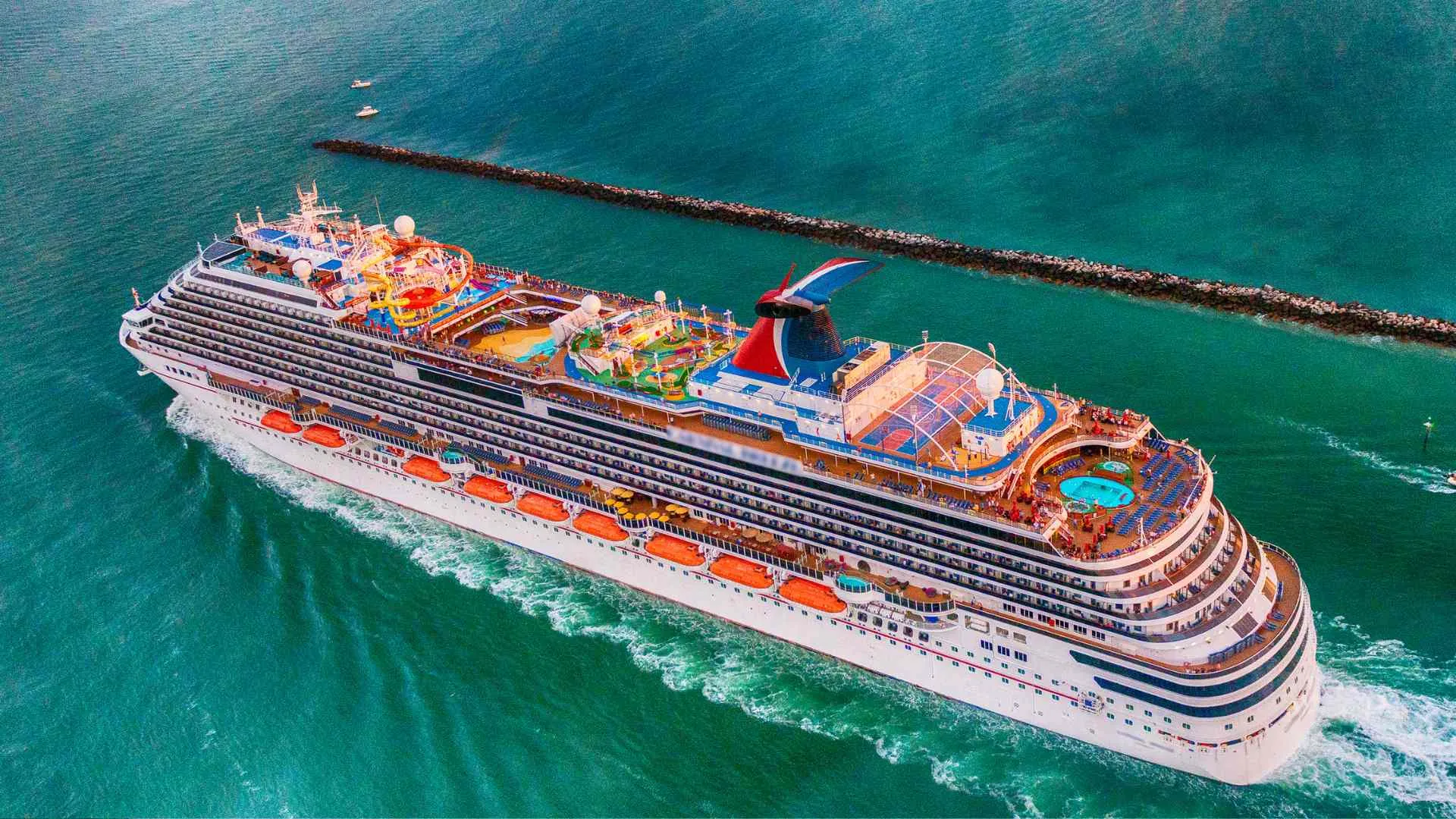
May is excellent for travelers who want widening itinerary choice before the main summer vacation period. It also rewards careful checks because a region can be open while a specific port, excursion, or ship is still early in its operating season.
The best May plan starts with route readiness. Confirm the ship, homeport, seasonal transport, attraction hours, and weather-sensitive excursions before comparing minor onboard features.

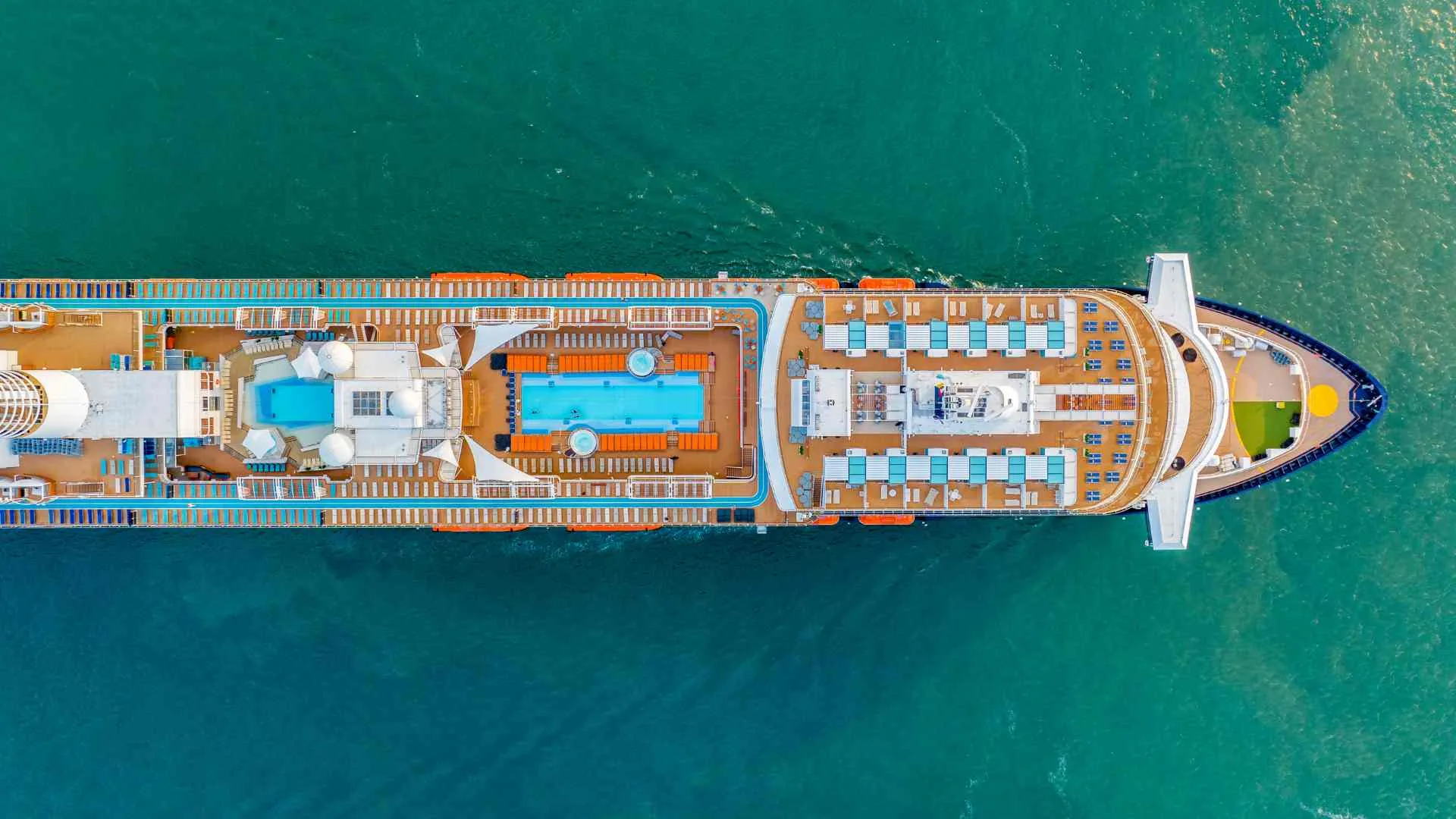
I would choose May for Alaska openings, Mediterranean city time, longer northern daylight, or a one-way crossing. I would not choose it simply because someone promised fewer crowds or a guaranteed shoulder-season bargain.
Best May cruise destinations

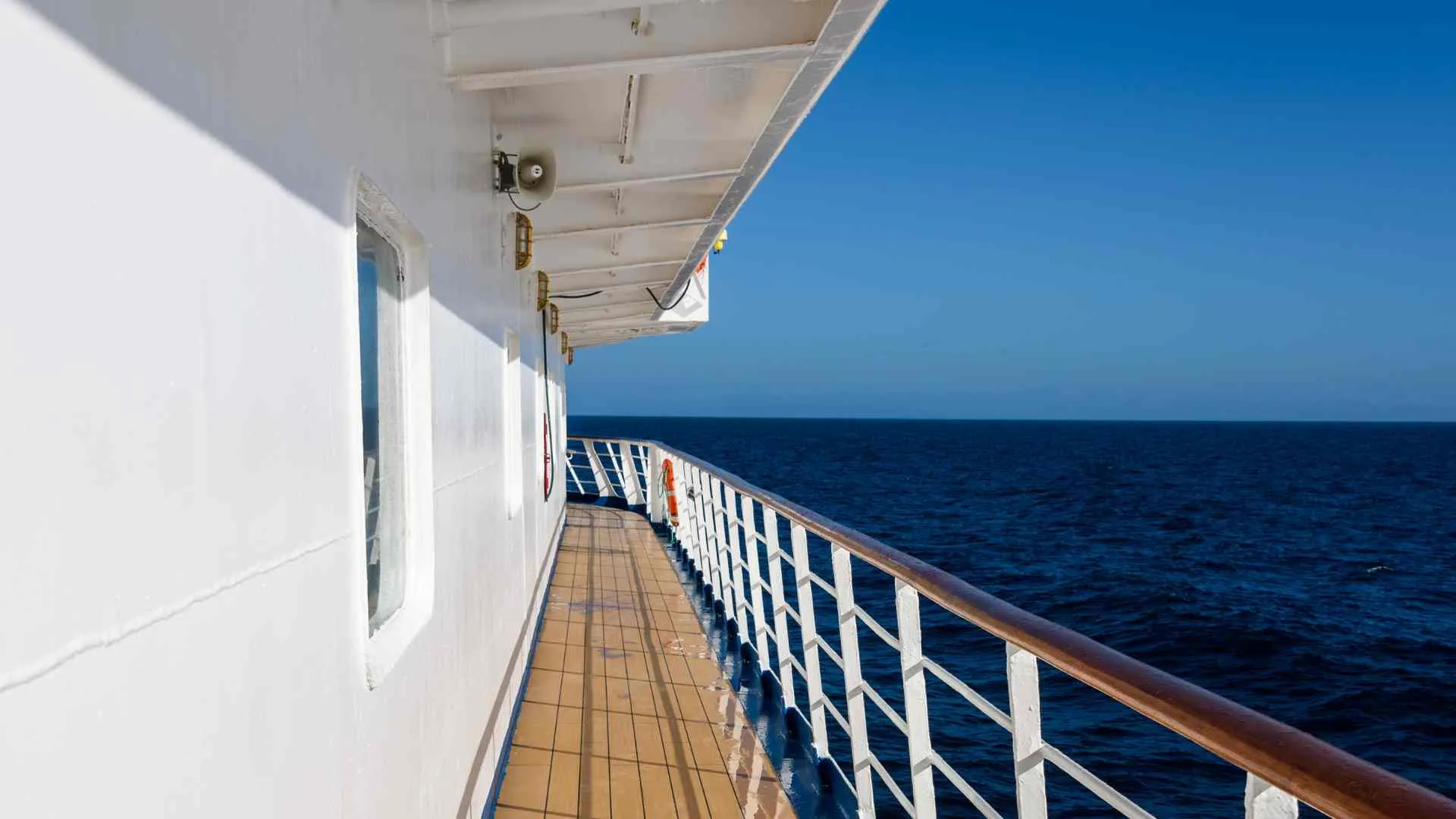
Alaska for the opening-season experience
May is firmly within published Alaska seasons for major operators. Holland America’s 2026 Alaska program, for example, ran from April through September using Seattle, Vancouver, and Whittier.

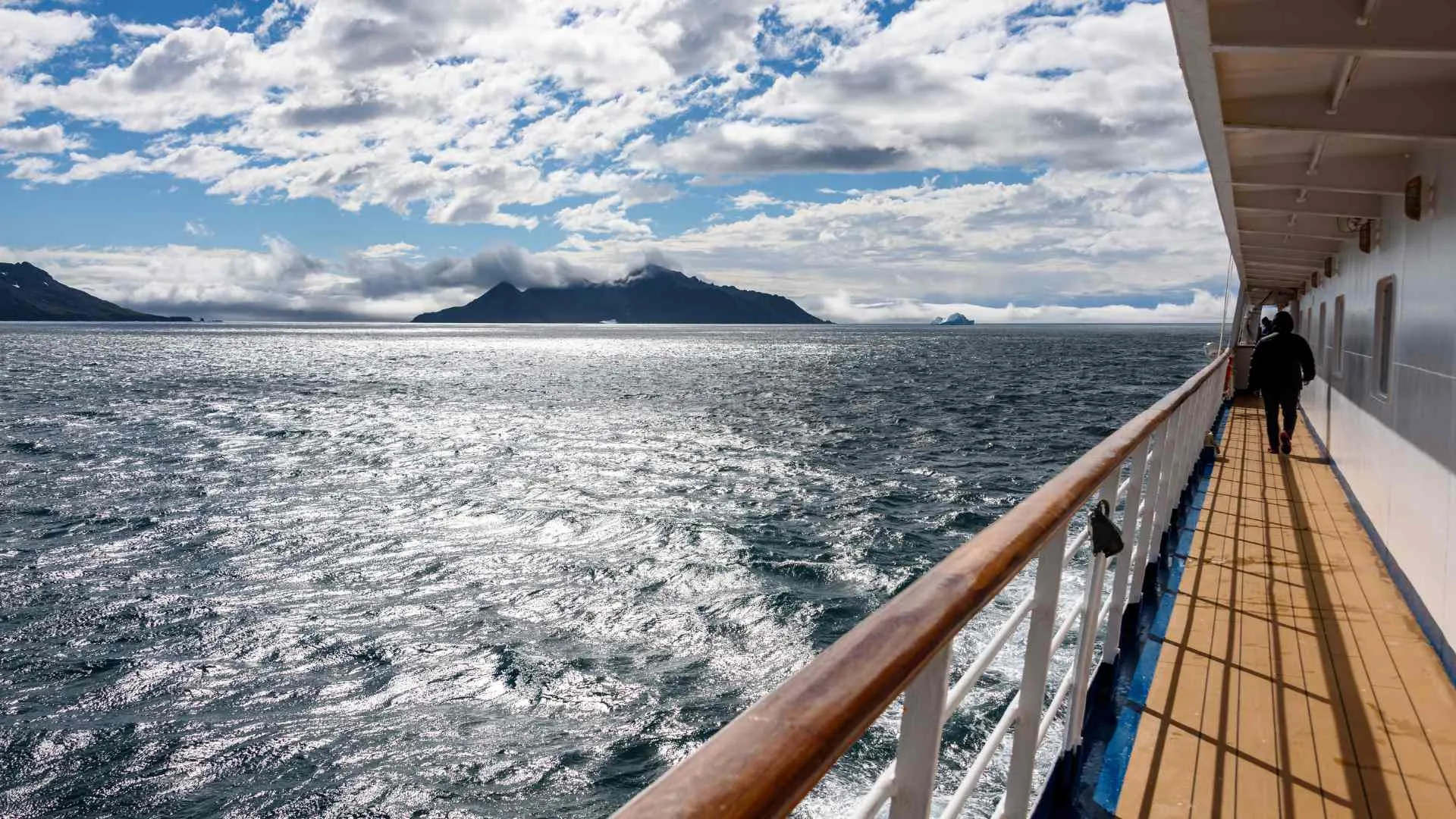
Princess also announced a large 2026 Alaska deployment, while Star Princess had a specific Seattle season beginning May 3. These dated examples show meaningful May inventory, but they do not prove that every ship, route, or homeport operates throughout the month.
Choose early May if opening-season atmosphere and potentially cooler conditions suit you. Choose later May if a broader set of departures and more established seasonal operations matter more, but verify rather than assume.


What May changes in Alaska
Migratory songbirds begin arriving, and seabirds gather at some Southcentral nesting colonies in May. Those patterns are useful for birders, but geography, annual timing, and the itinerary prevent any sighting guarantee.


North Pacific humpbacks migrate between lower-latitude winter areas and high-latitude summer feeding areas that include the Gulf of Alaska and Southeast Alaska. Migration explains seasonal potential, not what a passenger will see on a particular day.
Weather can change quickly, and flightseeing or kayaking may be canceled. Read the excursion operator’s refund terms and keep a second-choice plan for each important port.


Do not transfer wildlife advice from western Alaska to a standard Southeast Alaska cruise. “Alaska” covers enormous distances, and a correct regional fact can still be misleading for the wrong route.
Mediterranean for late-spring city travel


May gives travelers a broad Europe choice while retaining a spring feel in many ports. The Mediterranean climate pattern generally brings dry summers and mild, wetter winters, but individual ports can still produce heat, rain, or cool wind.
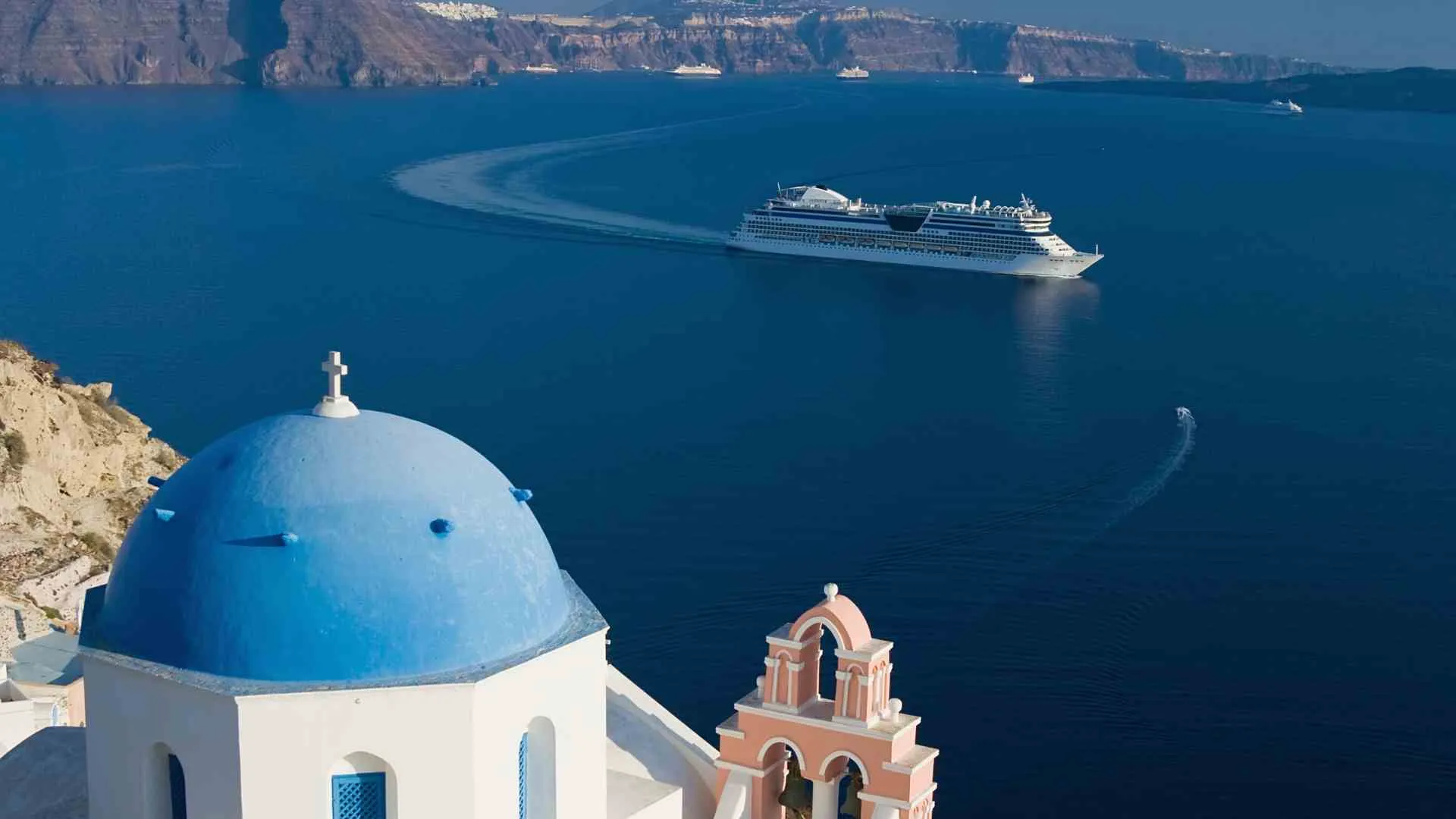
Compare western Mediterranean city routes, Greek Island itineraries, Adriatic ports, and longer combinations by port hours rather than country count. A late departure or overnight can be more valuable than squeezing in one additional call.


Bring comfortable walking shoes and a light rain layer, then check dress requirements for religious sites. Long sightseeing days make repeatable, breathable clothing more useful than overpacking formal outfits.
Northern Europe and the Baltic for daylight

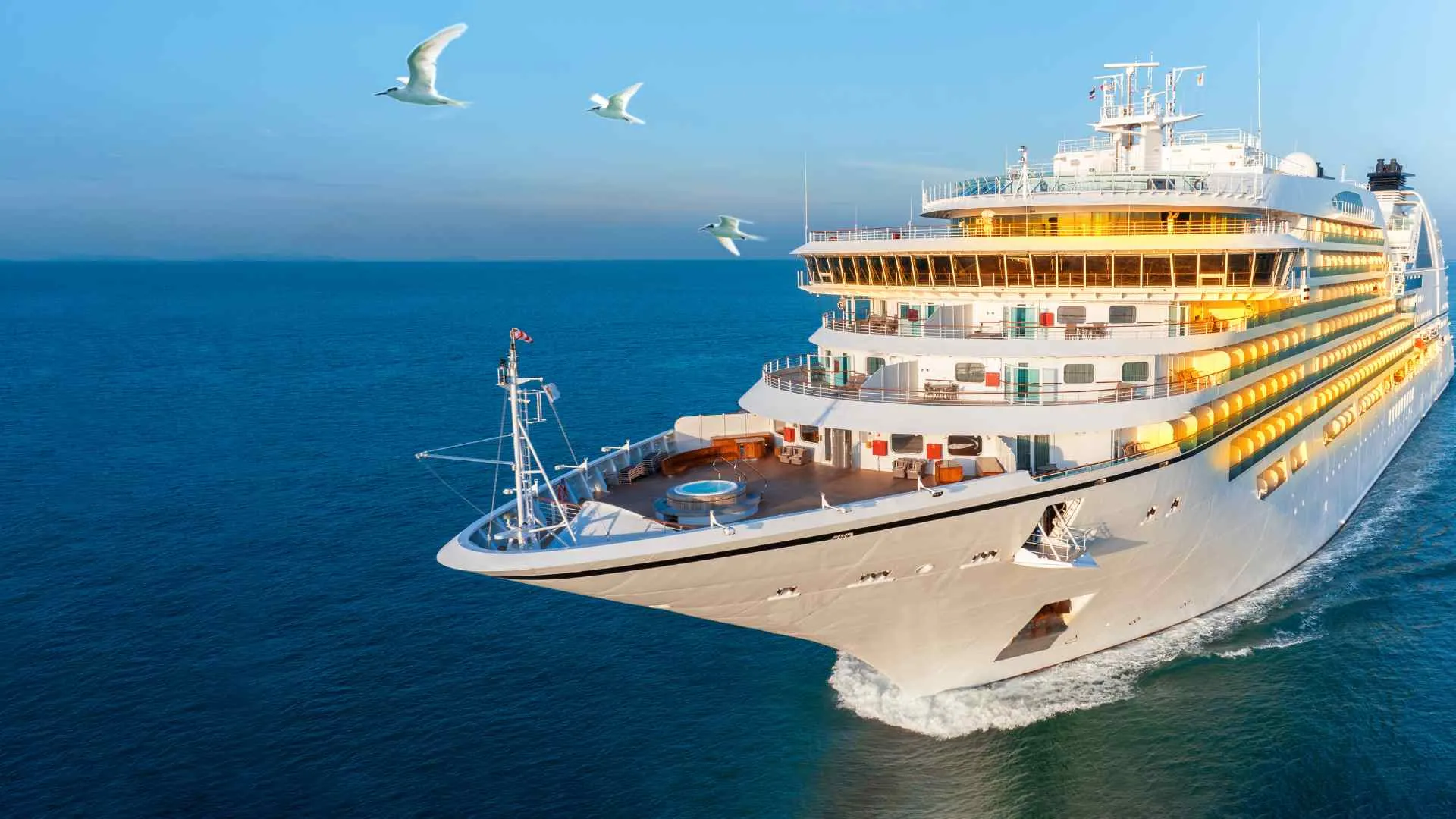
Longer days are a real May advantage at northern latitudes, but the exact amount of daylight depends on the port. Northern Norway’s midnight-sun season mainly occurs from May through July, with a longer period farther north.
Do not promise midnight sun across all of Norway or throughout the entire month. Check sunrise and sunset for each port date, and bring a sleep mask if light affects your rest.

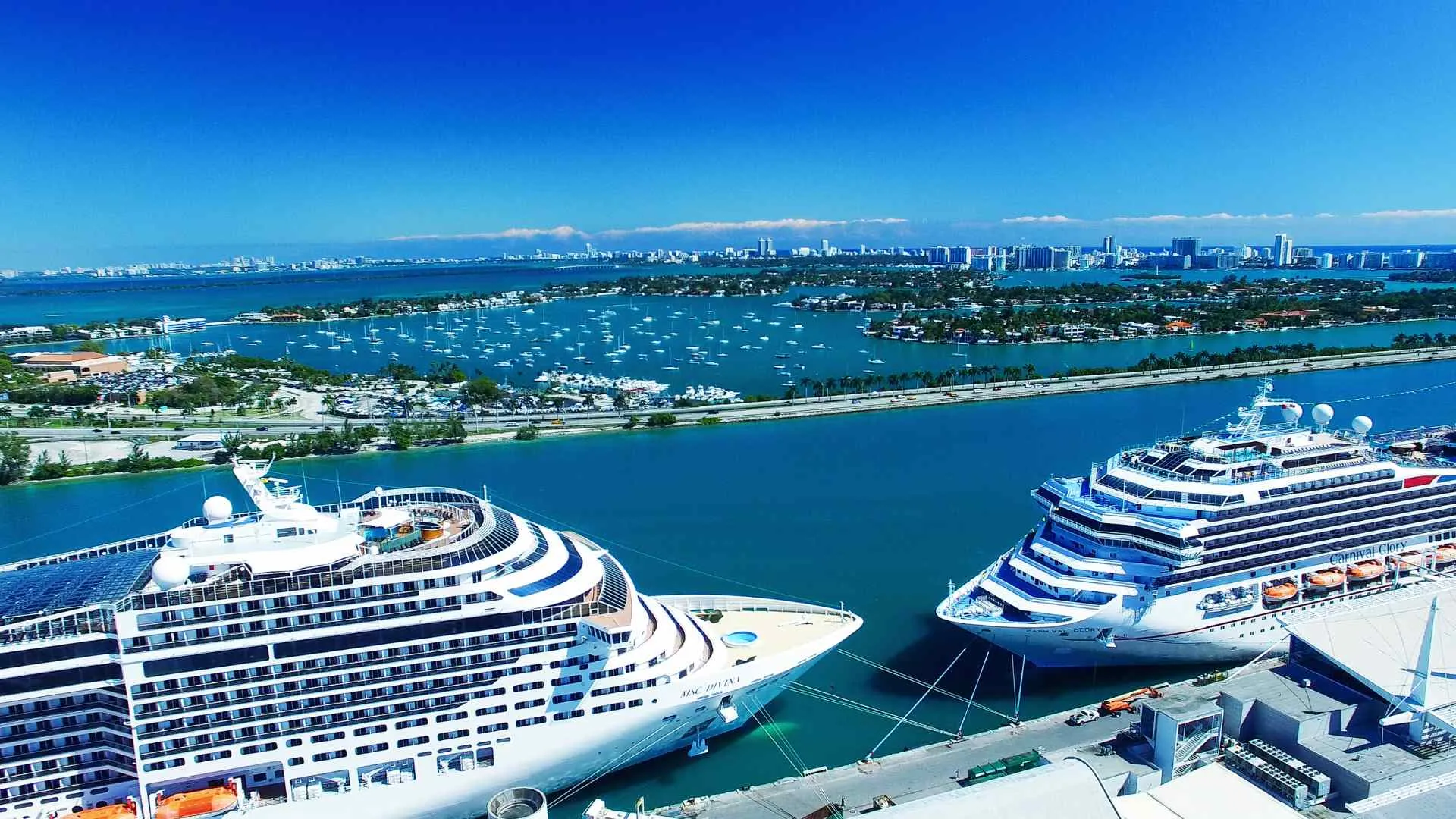
May also demands a route-readiness check. Museums, scenic transport, ferries, and seasonal excursions can use different operating calendars even after cruise calls begin.
Port-intensive Europe cruises


Some operators design summer Europe voyages with limited or no sea days. Norwegian’s 2026 Europe announcement described an eight-ship program across Northern Europe, the Mediterranean, and the Greek Isles with many port-intensive seven-day itineraries.
Use that as a dated operator pattern, not a universal description of Europe cruises. A voyage with six demanding port days can require more planning and recovery than a longer trip with two sea days.


Review transfer distances before booking independent tours. Some marquee cities sit far from their cruise port, and a short call can leave less useful time than the map suggests.
Transatlantic repositioning cruises


May still offers one-way voyages as ships move toward summer regions. These cruises suit travelers who enjoy sea days, ship life, reading, dining, and a slower travel rhythm.
They are less convenient for anyone needing simple round-trip flights. Price open-jaw airfare, hotels, transfers, baggage, and time-zone recovery before treating the cabin fare as the full cost.

If a longer voyage appeals, the planning strategies in this back-to-back cruise guide can help with laundry, medication, pacing, and cabin choices.
Caribbean for flexibility, with weather context


Caribbean cruising operates through the year, but May sits outside the broadly favored December-to-April drier window described by Princess. Florida Keys climate guidance also treats May as a transition month before the June-to-October wet season there.
That local Florida Keys pattern should not be applied to every island. Compare the actual ports, and expect showers to be possible without assuming the entire voyage will be wet.

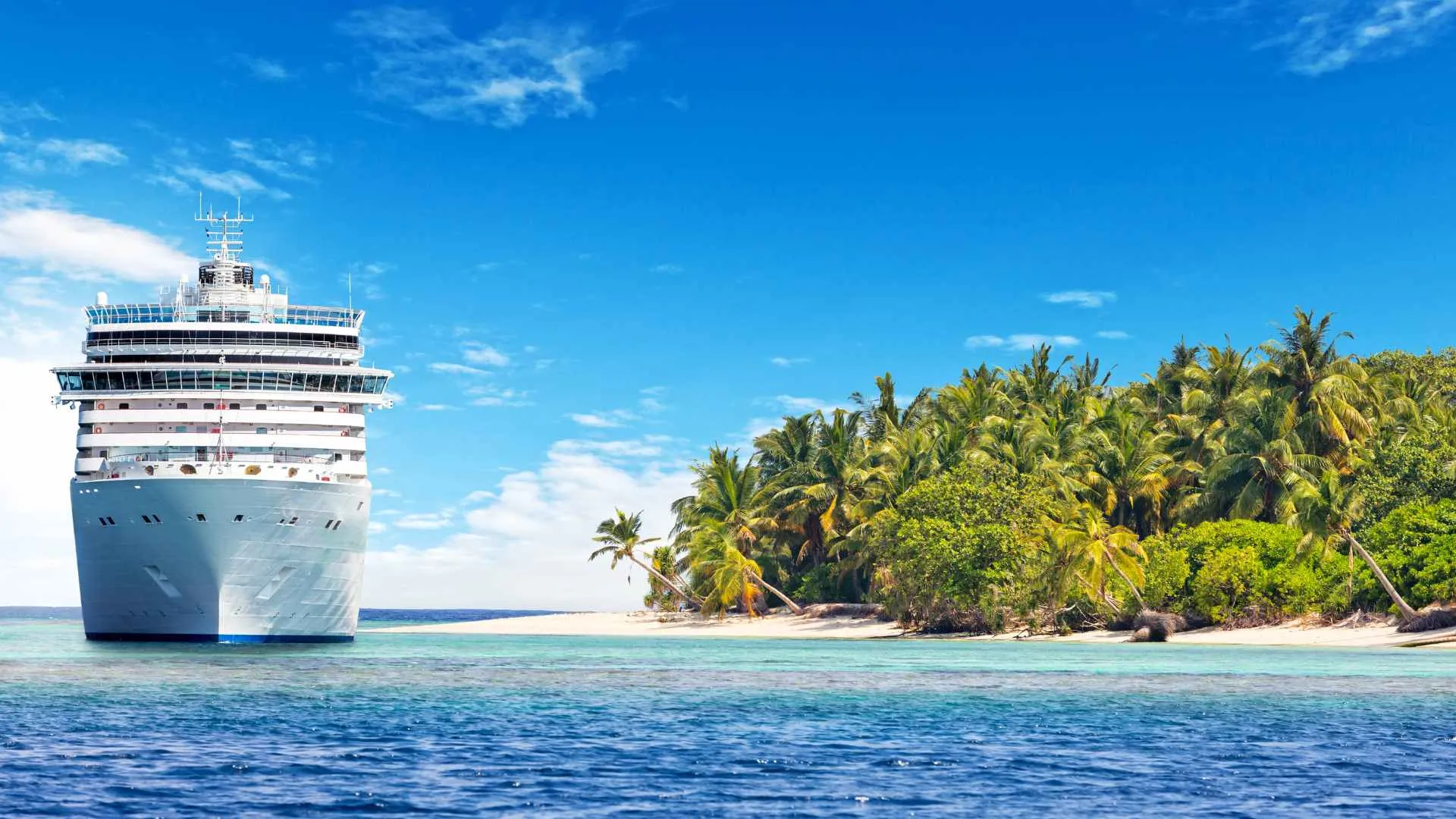
The Atlantic hurricane season officially runs from June 1 through November 30, but storms can form outside those dates. NOAA’s tropical cyclone climatology is a useful boundary, not a guarantee that May is risk-free.
Travel insurance, flexible air, and a willingness to accept itinerary changes can be more important than chasing a precise long-range forecast. Read what a policy covers rather than assuming the word “weather” settles every claim.


Japan for later-blooming regions
Many famous central and western Japanese blossom sites typically peak earlier, but northern and higher-elevation areas can bloom later. Match the cruise’s exact port and date to the current forecast rather than booking from blossom imagery.


May Japan trips can still be excellent without flowers. Food, cities, gardens, and cultural sites should be strong enough to justify the itinerary even if nature’s timing changes.
How May differs from April and June


Compared with April
May generally offers a more established Alaska presence and more northern daylight. April remains the stronger identity for broad spring transition and transatlantic repositioning.


Compared with June
May may avoid some summer-vacation patterns, but it cannot promise lower crowds or prices. June brings the official start of Atlantic hurricane season and a more mature summer operating calendar in many northern regions.


If your dates are flexible, compare this month with August cruises and September cruises to see how daylight, weather risk, family schedules, and route availability change later in the season.
Choosing the right May ship


For Alaska, prioritize observation space, itinerary, glacier-viewing plan, and shore time. A newer ship is not automatically better if the port schedule is weaker for your interests.
For Europe, compare port intensity with the ship’s role as a place to recover. On an itinerary with few sea days, a well-located cabin and straightforward dining may matter more than attractions you will not have time to use.


Families should check children’s program dates and age groups because seasonal staffing and school calendars can affect who is onboard. This guide to cruises for teens can help match ship style to older children.
Solo travelers should compare total cabin price, flight complexity, and social programming. A one-way repositioning fare can look appealing until the single supplement and open-jaw air are added.


Choose a cabin for the itinerary
On a port-intensive Europe cruise, proximity to elevators and an easy morning routine may matter more than a large balcony. On Alaska routes, a balcony can be appealing, but public observation areas still matter because scenery and wildlife may appear on either side.


For a transatlantic voyage, prioritize comfort during repeated sea days and consider motion sensitivity when choosing a location. Never assume a premium cabin fixes a schedule that is too demanding for your group.
What to pack for a May cruise


Alaska and Northern Europe
Pack light insulating layers, a water-resistant shell, gloves, and comfortable shoes with useful grip. Bring a sleep mask for long northern daylight and binoculars if wildlife observation is a priority.

Mediterranean
Use breathable layers, sun protection, a compact rain layer, and shoes built for stone streets. Add clothing that covers shoulders and knees where religious sites require it.


Caribbean
Bring quick-drying clothes, sun protection, a small rain layer, and a dry bag or protective pouch for electronics. A light sweater remains useful in heavily air-conditioned rooms.

Transatlantic routes
Pack for the weather at both ends plus windy sea days. Laundry access and coordinated layers reduce luggage more effectively than guessing one outfit for each day.


May booking checklist
- Confirm route readiness: verify ship dates, port services, and excursion operations.
- Check geography: keep Southeast, Southcentral, and western Alaska facts separate.
- Compare daylight: use port-specific sunrise and sunset times.
- Price one-way logistics: include open-jaw air, hotels, and transfers.
- Keep weather claims narrow: May is not universally dry or storm-free.
- Match the pace: count consecutive port days and recovery opportunities.

Final verdict
May is best for travelers who want a season opening rather than a fully settled summer pattern. Alaska, Europe, northern daylight, and repositioning routes create genuine variety, while Caribbean cruising remains available with more nuanced weather tradeoffs.
Choose the itinerary only after confirming live operations and the total trip cost. May’s value comes from timing and fit, not a universal promise of bargains, empty ports, or perfect weather.

Ellie is the founder of Ellie's Travel Tips, where she shares practical cruise tips, port guides, and step-by-step itineraries to help you plan smarter trips for less. Her checklists and packing guides turn travel daydreams into doable plans.